
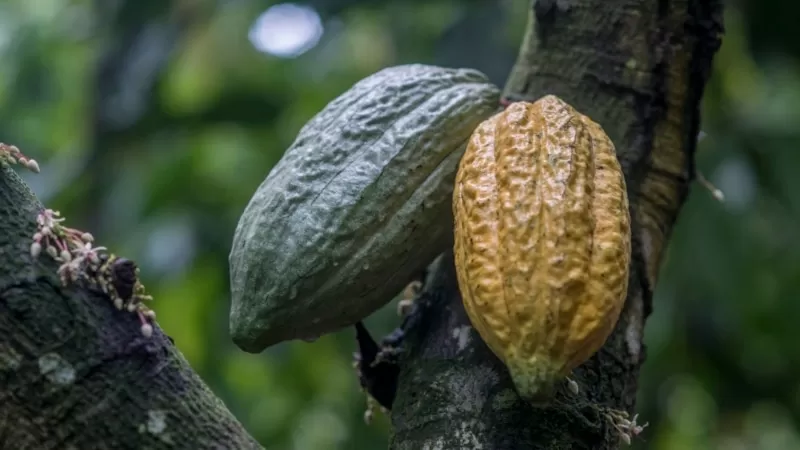
Nairobi, Kenya – As Easter approaches, chocolate lovers in Nairobi should prepare themselves for higher prices when purchasing their favorite seasonal treats. According to a nonprofit environmental group, cocoa prices have tripled in the past year due to the effects of climate change and the El Nino weather phenomenon. This has resulted in a significant increase in the cost of cocoa, which is now being passed on to consumers.
Amber Sawyer, a climate and energy analyst at the Energy and Climate Intelligence Unit (ECIU), a UK-based nonprofit organization, explains that the unpredictable weather patterns in the top cocoa-producing countries of Ghana and Ivory Coast have had a major impact on international commodity prices. “Chocolate producers are struggling to secure enough cocoa, leading to a reduced supply and an increase in demand. As a result, the prices have gone up for confectionery companies who make chocolate, and these costs are now being passed on to consumers,” she says.
The heavy rains and flooding that occurred in Ghana and Ivory Coast in December have caused significant damage to cocoa crops, with many plants rotting due to black pod disease. In addition, extreme heat has also taken a toll on cocoa production. “Not only is it difficult to grow cocoa in these conditions, but it also affects the farmers themselves. They have gone from having too much rain to not enough, which has resulted in a decrease in production and their inability to sell on the international market,” Sawyer explains.
The adverse weather conditions have also led to a decrease in cocoa production estimates for this year, with Ghana reducing its estimate from 850,000 to 650,000 tons. Smuggling has also become a major issue, further impacting the supply of cocoa in the market.
According to data from the United Nations Food and Agriculture Organization, cocoa is predominantly grown in countries that are most vulnerable and least prepared to deal with the effects of climate change. A recent analysis by the UK-based World Weather Attribution website revealed that West Africa experienced an intense heatwave in February, with temperatures reaching over 40 degrees Celsius (104 Fahrenheit).
Izidine Pinto, a researcher with the Royal Netherlands Meteorological Institute connected with the website, emphasizes the impact of extreme weather on people’s lives and livelihoods. “Climate change is making rainfall heavier and heatwaves more intense. These changes are not only damaging crops and making food prices more expensive, but they are also putting people’s lives and jobs at risk,” he says.
Experts note that before the widespread use of fossil fuels, heatwaves used to occur once every 100 years. However, in today’s climate, they are happening once every 10 years. This is a clear indication of the urgent need to address climate change and its impact on vulnerable communities.
Despite contributing the least to greenhouse gas emissions, African countries are bearing the brunt of climate change. The ECIU is calling on wealthier nations to provide financial and technical assistance to help farmers in managing the impact of severe weather and climate change. This support is crucial in ensuring the sustainability of cocoa production and the livelihoods of those who depend on it.
In conclusion, as we approach Easter, let us not forget the impact of climate change on our favorite treats. Let us also remember the farmers who work tirelessly to produce cocoa and the challenges they face due to extreme weather conditions. It is time for us to take action and work towards a more sustainable future for cocoa production. Let us support initiatives that aim to mitigate the effects of climate change and ensure that our beloved chocolate remains accessible and affordable for all.

