
Massive Megaripples: A Window into the Ancient Tsunami’s Impact on Louisiana
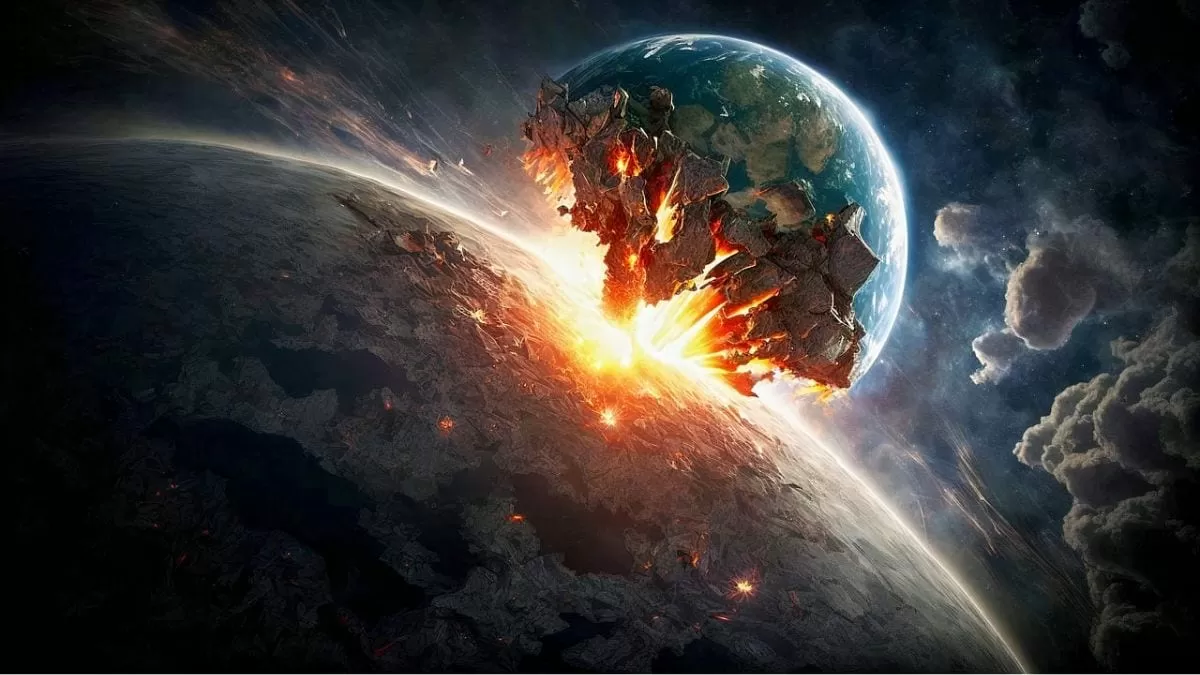
66 million years ago, a catastrophic event changed the course of our planet’s history. The Chicxulub asteroid, estimated to be 6 miles wide, crashed into the Earth, causing widespread devastation and leading to the extinction of dinosaurs. But the impact didn’t just affect the immediate area of impact, it had a global reach. And now, a new discovery has shed light on just how powerful the resulting tsunami was.
A team of scientists from the University of Texas at Austin, led by geologist Chris Lowery, have mapped massive megaripples deep beneath Louisiana using 3D seismic data. These formations, averaging 52 feet in height and spanning 900 square miles, offer new insights into the force of the ancient tsunami and its global impact.
The megaripples were formed by the force of the tsunami as it traveled across the Gulf of Mexico, reaching the coast of Louisiana. The team used advanced technology to map the formations, which were previously hidden beneath layers of sediment. The findings, published in the journal Earth and Planetary Science Letters, provide a rare glimpse into the power of the ancient tsunami and its effects on the Gulf Coast region.
These megaripples are not the first evidence of the tsunami’s impact on Louisiana. In the 1980s, geologist Paul Enos discovered similar formations in the subsurface of the state. However, the recent mapping using 3D seismic data has provided a more detailed and accurate picture of the megaripples, allowing scientists to better understand the scale and force of the ancient tsunami.
The team estimates that the megaripples were formed by a tsunami with a wave height of at least 300 feet. This is significantly higher than any modern-day tsunami and shows the immense power of the event. The findings also suggest that the tsunami reached as far as 600 miles inland, far beyond the current coastline of Louisiana.
But what makes this discovery even more significant is its potential to help us understand future tsunamis. By studying the megaripples and their formation, scientists can gain insights into the behavior of large-scale tsunamis and use this information to model potential future events. This could prove crucial in mitigating the impact of tsunamis on coastal communities.
The mapping of these megaripples also adds to the growing body of evidence that the Chicxulub asteroid impact had a global impact, not just a localized one. The megaripples in Louisiana are just one piece of the puzzle, with similar formations found in other parts of the world, including Mexico and New Jersey.
The team’s findings also have implications for the study of ancient climates. The tsunami would have caused significant erosion and deposition of sediment, which can provide valuable information about the environment at the time of the impact. This can help scientists piece together the events that occurred after the asteroid impact and how the Earth recovered from it.
The discovery of these megaripples is a testament to the power of technology and the determination of scientists to uncover the mysteries of our planet’s past. It also highlights the importance of continued research and exploration into events that have shaped our world.
As we continue to learn more about the ancient tsunami and its impact on Louisiana, we are reminded of the resilience of our planet and its ability to recover from catastrophic events. But we must also use this knowledge to prepare for potential future events and protect our communities.
The mapping of the megaripples in Louisiana is a significant step forward in our understanding of the ancient tsunami and its global impact. It is a reminder that even the most devastating events can offer valuable insights and lessons for the future. And with continued research and advancements in technology, we can continue to unlock the secrets of our planet’s past and better prepare for what lies ahead.

