
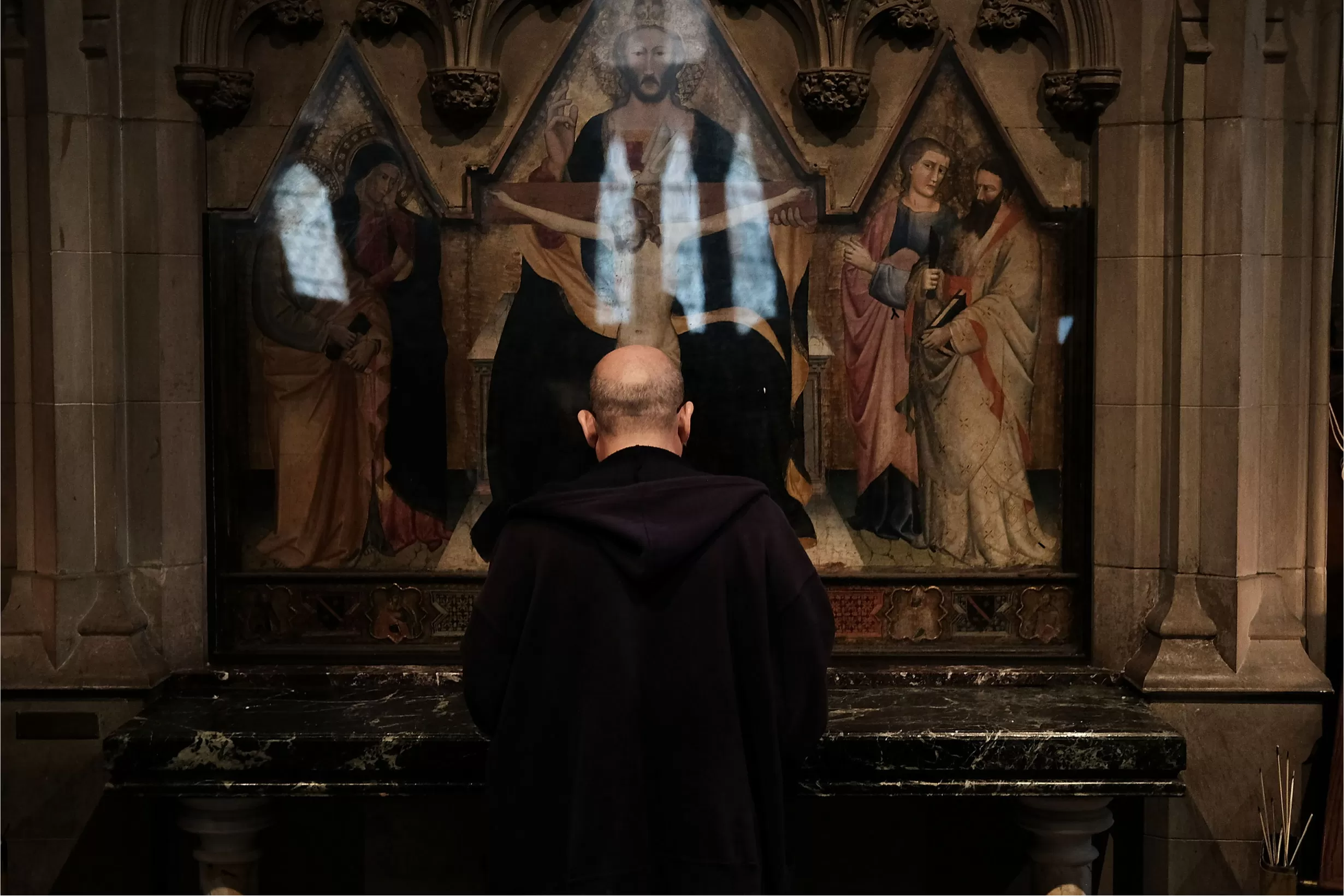
In the early 1980s, the United States was facing a crisis of conscience. Civil wars in Central America had displaced thousands of people, and the American government’s response was inadequate. In this time of need, communities of faith stepped up and took a stand for justice and compassion. This is the inspirational story of the Sanctuary Movement, which is the focus of episode 32 of Stories of Resistance podcast.
The Sanctuary Movement began in the late 1970s, when a group of religious leaders in Tucson, Arizona, came together to address the growing number of refugees from El Salvador and Guatemala. These refugees were fleeing the violence and oppression of their home countries, seeking safety and a better life in the United States. However, upon crossing the border, they were often met with deportation or detention by U.S. authorities.
This was a clear violation of human rights, and the religious leaders were determined to do something about it. They opened their doors to those seeking sanctuary, providing them with a safe place to stay while they fought their deportation orders. This simple act of compassion sparked a movement that quickly spread to other churches, synagogues, and even university campuses.
Hundreds of faith communities joined the Sanctuary Movement, united by the belief that every person, regardless of their nationality or legal status, deserves to be treated with dignity and respect. They were not afraid to challenge the government’s harsh immigration policies and stand up for what was right.
The Sanctuary Movement gained national attention in 1982 when Rev. John Fife, a Presbyterian minister in Tucson, and ten others were indicted for smuggling refugees into the country. Despite the legal risks, they continued to provide sanctuary and advocate for a more compassionate approach to immigration. They also organized protests and rallies, bringing attention to the plight of refugees and migrants and calling for a change in immigration policies.
Their efforts were not in vain. The Sanctuary Movement brought international attention to the human rights violations happening at the U.S.-Mexico border. It also helped many refugees and migrants, with the support of their faith communities, to successfully fight their deportation orders and stay in the United States.
This movement also had a significant impact on public opinion, as more and more people were moved by the courage and compassion of these religious leaders and their communities. The Sanctuary Movement raised awareness about the realities of immigration and challenged the negative stereotypes often perpetuated by the media and politicians.
In addition to providing physical sanctuary, faith communities also provided emotional and spiritual support to those seeking refuge. Many refugees and migrants had experienced trauma and violence in their home countries, and the sanctuary movement offered them a sense of belonging and safety. It was a true example of putting faith into action and living out the values of compassion and hospitality.
The success of the Sanctuary Movement also spurred the creation of other organizations and initiatives focused on protecting the rights of refugees and migrants, such as the Central American Refugee Center and the National Sanctuary Defense Fund.
Though the Sanctuary Movement peaked in the 1980s, its legacy lives on. It showed that ordinary people, united by a common cause, can create real change and make a positive impact in the world. It also continues to inspire and guide the work of faith-based organizations and activists who are still fighting for the rights of immigrants and refugees.
As we face similar challenges today with the ongoing refugee crisis, the story of the Sanctuary Movement serves as a reminder that we all have the power to resist injustice and stand in solidarity with those in need. Let us be inspired by the bravery and compassion of these religious leaders and remember that small acts of kindness and courage can spark a movement and change the world.
In conclusion, the Sanctuary Movement of the early 1980s is a testament to the power of faith, love, and resistance. Through the efforts of churches, synagogues, and university campuses, countless lives were saved and voices were raised against the injustices faced by refugees and migrants. Let us honor their memory by continuing to fight for justice and standing in solidarity with those who need it most.

