
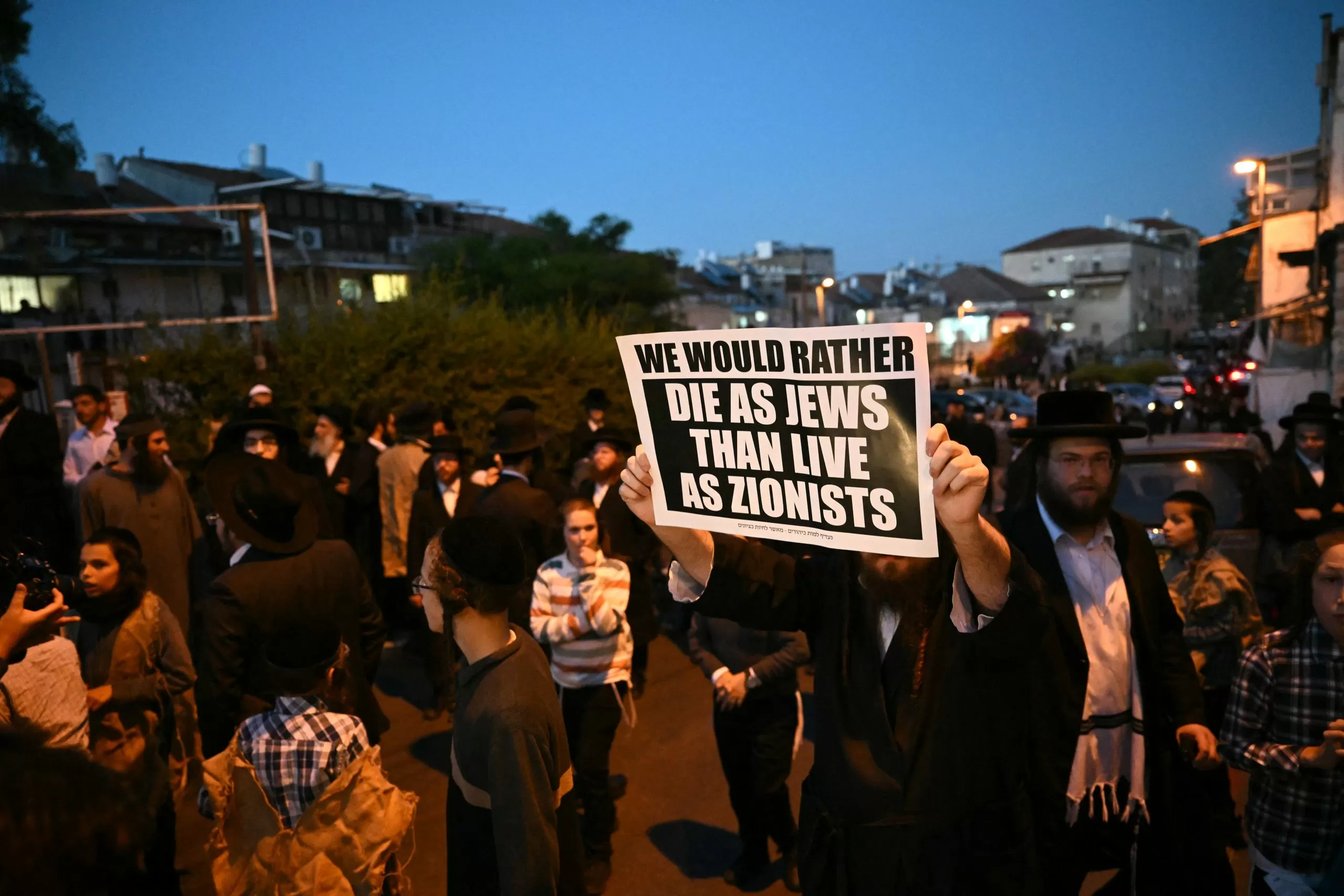
Growing up in Palestine, I was born into a Zionist colony. From the moment I took my first breath, an identity was imposed on me – an Israeli identity. This identity was not something I chose, but rather something that was fabricated 14 years before I was even born.
As a child, I never questioned this identity. It was all I knew and I accepted it as my own. However, as I grew older and began to understand the complexities of the world around me, I started to question this imposed identity. I started to realize that it was not a true representation of who I was or where I came from.
The term “Israeli identity” is often used to describe the collective identity of the Jewish people living in Israel. It is based on the idea of a Jewish state, established in 1948, and is deeply rooted in the Zionist ideology. This ideology promotes the belief that Jews have a right to a homeland in Palestine, and that this homeland should be exclusively for Jews.
But what about the Palestinians who have been living on this land for generations? What about their identity and their right to call this place home? These are questions that I began to grapple with as I grew older and learned more about the history of my country.
The truth is, the Israeli identity that was imposed on me at birth is a fabricated one. It is a product of political agendas and historical events, not a true representation of the diverse and complex identities that make up the people of this land.
As I delved deeper into my own identity, I discovered that I am not just an Israeli, but also a Palestinian, a Middle Easterner, and a human being. I am a product of my culture, my family, and my experiences. And I refuse to be defined solely by a political identity that was imposed on me.
My journey of self-discovery led me to question the very foundations of the Zionist ideology. I began to see the flaws in the idea of a Jewish state and the harm it has caused to the Palestinian people. I realized that true peace and coexistence can only be achieved when we embrace our diverse identities and work towards a shared future.
I am not alone in this realization. Many young Israelis are starting to question the Israeli identity that was imposed on them. They are challenging the status quo and advocating for a more inclusive and just society. They are rejecting the fabricated identity and embracing their true identities as Israelis, Palestinians, and everything in between.
It is time for us to break free from the chains of this fabricated identity and embrace our true selves. We must reject the divisive and exclusionary ideology of Zionism and work towards a future where all identities are respected and valued.
As an Israeli, I am proud of my heritage and culture. But I am also proud to be a part of the diverse fabric of this land, which includes Palestinians, Arabs, Christians, Muslims, and Jews. We must move away from the imposed Israeli identity and towards a shared identity that celebrates our differences and unites us as one people.
In conclusion, I was born into the Zionist colony in Palestine, but I refuse to be defined solely by the Israeli identity that was imposed on me. I am a product of my rich and diverse culture, and I am proud of all the identities that make up who I am. It is time for us to break free from fabricated identities and embrace our true selves, for the sake of a better and more inclusive future for all.

