
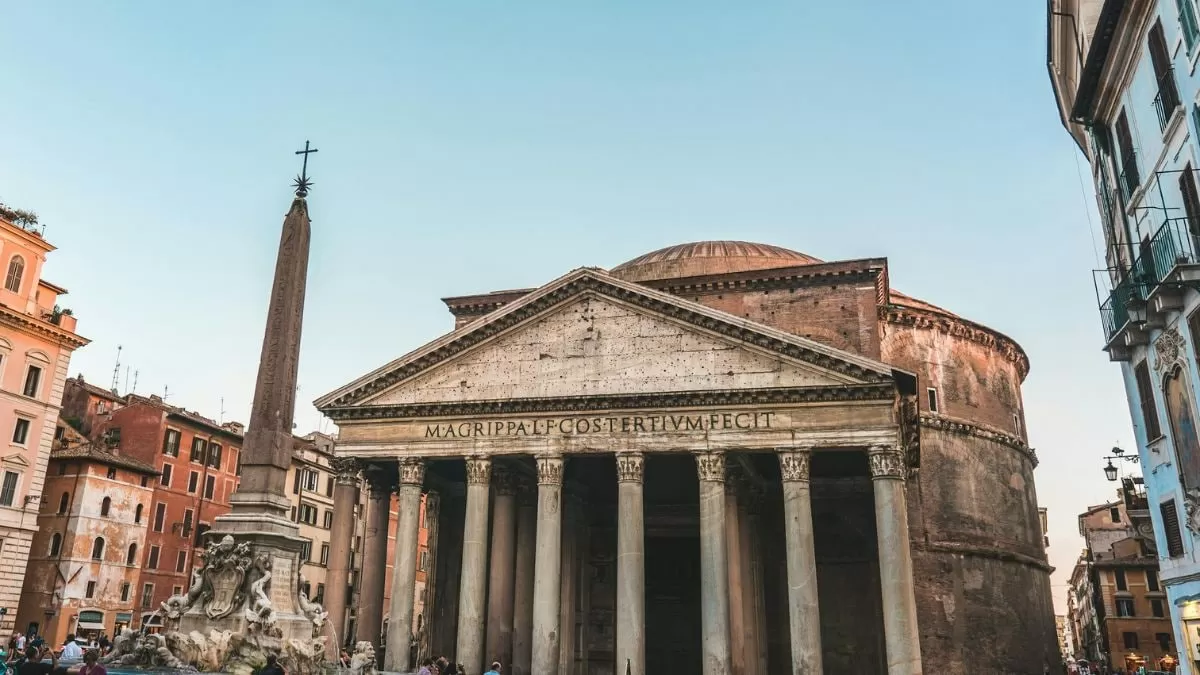
In a world filled with constant technological advancements and modern materials, it’s remarkable to think that ancient Roman concrete is still standing strong after almost 2,000 years. Thanks to a new study by MIT researchers in 2023, we now have a better understanding of the secret behind the longevity of this ancient building material.
For centuries, the strength and durability of Roman concrete have puzzled archaeologists and engineers alike. Despite being exposed to harsh weather conditions and the test of time, structures like the Pantheon have stood tall and proud, a testament to the advanced engineering skills of the ancient Romans.
But what exactly makes Roman concrete so resilient? According to the recent MIT study, the answer lies in its unique ingredients and the hot mixing technique used by the Romans.
The researchers analyzed samples of Roman concrete from various ancient structures, including the Pantheon and the Colosseum. They found that the concrete was made up of a mixture of volcanic ash and lime clasts. The ash, known as pozzolana, was a key ingredient in the concrete and was sourced from volcanic deposits found near Rome.
But it wasn’t just the ingredients that made Roman concrete special; it was the way they were combined. The Romans used a technique called hot mixing, in which the ingredients were heated to a high temperature before being mixed together. This process created a chemical reaction that resulted in a stronger and more durable concrete.
One of the most fascinating discoveries of the study was the ability of Roman concrete to self-heal over time. As the concrete aged, it continued to react with the moisture in the air and form calcium-aluminum-silicate-hydrate (C-A-S-H) crystals. These crystals acted as a binder, repairing any cracks or damage in the concrete and increasing its strength.
This self-healing property is what sets Roman concrete apart from modern concrete. While modern concrete can last for 100 to 150 years, Roman concrete has been standing strong for almost 20 times as long.
The lasting strength of Roman concrete has significant implications for modern-day construction. The use of pozzolanic ash and the hot mixing technique could revolutionize the way we build today, creating more durable and sustainable structures.
The researchers also believe that the findings of this study could help in preserving and restoring ancient Roman structures. For years, experts have struggled to mimic the strength and composition of Roman concrete, often resorting to modern materials that can alter the appearance and integrity of these historical buildings. But with a better understanding of the ancient techniques, we may be able to preserve these structures for generations to come.
The MIT researchers hope that their study will inspire more research into the properties and techniques of Roman concrete. By unlocking the secrets of this ancient building material, we could learn valuable lessons about sustainability and longevity in modern construction.
The study also sheds light on the impressive engineering skills of the ancient Romans. Without access to modern tools and technology, they were able to create structures that have withstood the test of time. It’s a reminder that we still have much to learn from our ancestors.
In conclusion, the 2023 MIT study has given us a deeper understanding of the lasting strength of Roman concrete. The use of pozzolanic ash and the hot mixing technique allowed for self-healing and created a concrete that has stood strong for almost 2,000 years. This discovery has the potential to revolutionize modern construction and preserve ancient structures for future generations. The study is a testament to the incredible engineering skills of the ancient Romans and a reminder that we should never underestimate the power of ancient knowledge.

