
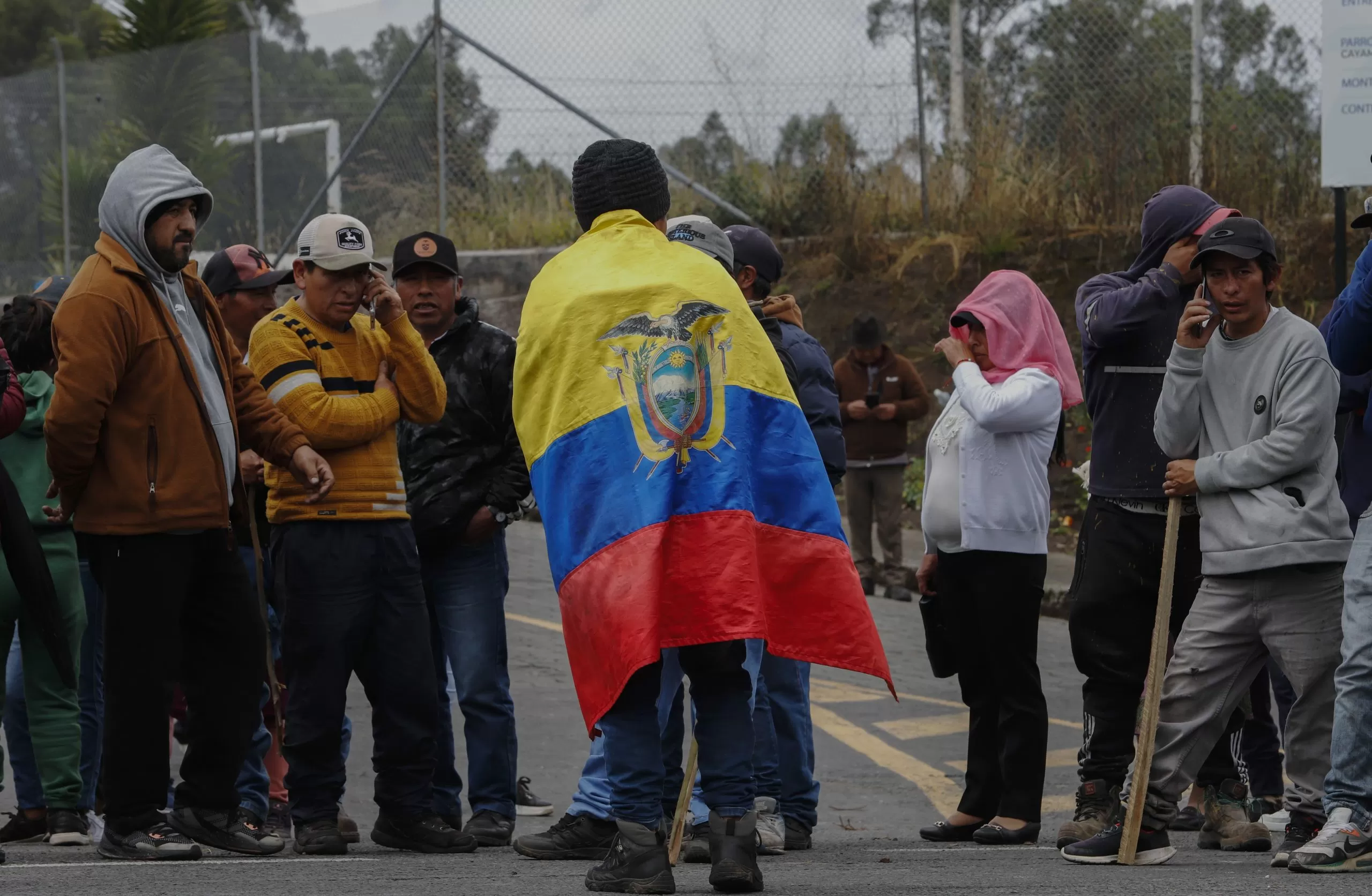
Ecuador’s Indigenous Movement’s “Indefinite National Strike” Shakes the Nation
Ecuador, a small South American country known for its rich biodiversity and diverse indigenous cultures, is currently facing a major political crisis. The country’s Indigenous movement has launched an “indefinite national strike” in protest against the government of President Daniel Noboa. This latest episode of resistance is a powerful display of the strength and determination of the Indigenous people of Ecuador.
The strike, which began on October 3rd, has brought the country to a standstill. Roads have been blocked, businesses have shut down, and public transportation has come to a halt. The Indigenous communities, along with their allies from various social and labor organizations, have taken to the streets to demand an end to the government’s neoliberal policies and the exploitation of their land and resources.
The Indigenous movement in Ecuador has a long history of resistance and struggle. For centuries, they have fought against colonization, discrimination, and the destruction of their way of life. In recent years, they have been at the forefront of the fight against the exploitation of natural resources by multinational corporations. Their efforts have been met with violence and repression by the government, but they have never wavered in their determination to protect their land and their rights.
The current strike is a response to the government’s decision to remove fuel subsidies, which has led to a sharp increase in fuel prices. This move, which was part of an agreement with the International Monetary Fund (IMF), has had a devastating impact on the Indigenous communities, who rely heavily on agriculture and transportation for their livelihoods. The removal of subsidies has also resulted in a rise in the cost of living for all Ecuadorians, further exacerbating the economic crisis in the country.
The Indigenous movement’s demands go beyond the reversal of the fuel subsidy removal. They are also calling for an end to the government’s austerity measures, which have led to cuts in social programs and public services. They are demanding the protection of their land and resources from extractive industries, and the recognition of their right to self-determination and autonomy.
The strike has received widespread support from the Ecuadorian people, who have joined in solidarity with the Indigenous communities. The streets of major cities have been filled with protesters, chanting slogans and carrying banners in support of the strike. The strike has also gained international attention, with messages of support pouring in from Indigenous communities and social movements around the world.
The government’s response to the strike has been heavy-handed and violent. Security forces have used tear gas and rubber bullets to disperse protesters, and there have been reports of arrests and injuries. President Noboa has declared a state of emergency, giving the military and police increased powers to suppress the strike. However, the Indigenous movement remains undeterred, vowing to continue their protest until their demands are met.
The “indefinite national strike” is not just a protest against the government’s policies, but also a powerful display of the strength and resilience of the Indigenous communities in Ecuador. It is a reminder that despite centuries of oppression and marginalization, they continue to fight for their rights and their way of life. The strike is also a call to action for all Ecuadorians to stand in solidarity with the Indigenous people and demand a government that prioritizes the needs of its citizens over the interests of multinational corporations and international financial institutions.
As the strike enters its second week, the government and the Indigenous movement have agreed to hold talks to find a resolution to the crisis. This is a positive step towards a peaceful resolution, but the Indigenous communities remain vigilant and determined to continue their struggle until their demands are met. The “indefinite national strike” is a powerful reminder that the stories of resistance in Ecuador are far from over, and the Indigenous people will continue to fight for their rights and their future.

