
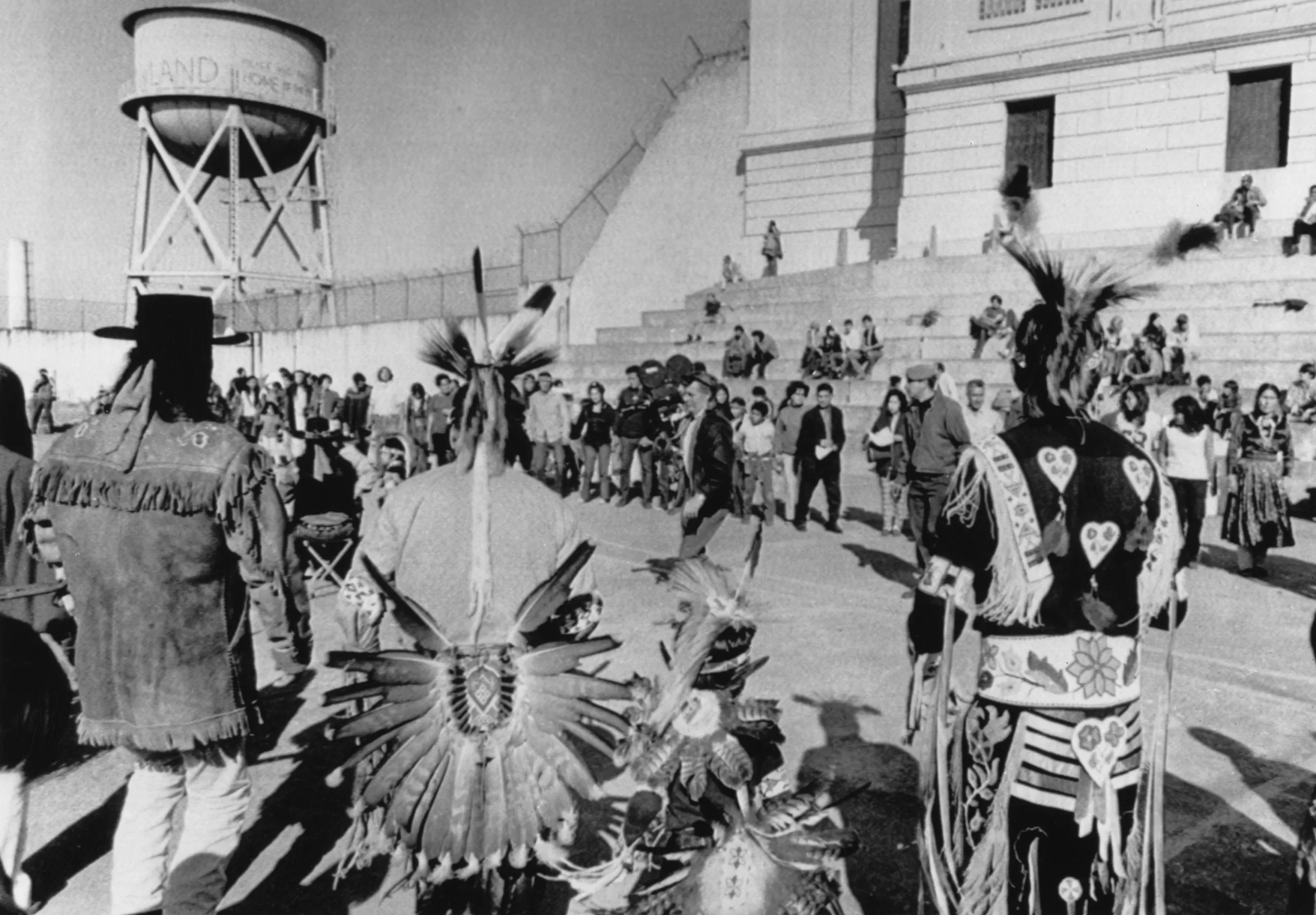
Every year on Thanksgiving morning, while many Americans are preparing for a day of feasting and celebration, a different kind of ceremony takes place on Alcatraz Island in the San Francisco Bay. This ceremony, known as the sunrise ceremony, is a powerful and meaningful tradition that honors Indigenous resistance and the historic 1969 Native American occupation of Alcatraz. This year marks the 78th episode of Stories of Resistance, a reminder of the ongoing struggle for Indigenous rights and the resilience of Native American communities.
The sunrise ceremony on Alcatraz Island is a sacred and symbolic event that holds deep significance for Native Americans. It is a way to honor the land and the ancestors who have fought for their rights and sovereignty. The ceremony begins before the sun rises, with participants gathering in the darkness to light a sacred fire and offer prayers and blessings. As the sun begins to rise, the ceremony continues with traditional songs, dances, and speeches.
The history of Alcatraz Island is a complex one, with layers of Indigenous resistance and resilience. The island, also known as “The Rock,” is most commonly associated with the infamous federal prison that operated from 1934 to 1963. However, long before it became a prison, Alcatraz was home to the Ohlone people, who inhabited the island for thousands of years. In 1969, a group of Native American activists, led by Mohawk activist Richard Oakes, occupied the island for 19 months in an effort to reclaim it as Indigenous land.
The occupation of Alcatraz was a pivotal moment in the fight for Indigenous rights and self-determination. It brought attention to the injustices faced by Native American communities and sparked a wave of activism and resistance across the country. The occupiers, known as the “Indians of All Tribes,” issued a proclamation stating that they had “reclaimed the land known as Alcatraz Island in the name of all American Indians by right of discovery.” This bold statement challenged the dominant narrative of American history and asserted the rights of Indigenous peoples.
The occupation of Alcatraz also had a significant impact on the Native American community. It brought together people from different tribes and nations, united in their struggle for justice and recognition. It also provided a space for cultural revitalization, with traditional ceremonies and teachings taking place on the island. The occupation ended in 1971, but its legacy lives on in the hearts and minds of Native Americans and in the ongoing fight for Indigenous rights.
The sunrise ceremony on Alcatraz Island is a way to honor and remember the occupation and the sacrifices made by those who fought for Indigenous rights. It is also a way to celebrate the resilience and strength of Native American communities. The ceremony is open to all, and people from all walks of life are welcome to attend and show their support for Indigenous peoples.
In addition to the sunrise ceremony, there are other events and activities that take place on Alcatraz Island on Thanksgiving morning. These include a traditional feast, a run/walk event, and a gathering of Native American artists and vendors. These events not only honor the history of the island but also showcase the vibrant and diverse cultures of Native American communities.
The sunrise ceremony on Alcatraz Island is a powerful reminder of the ongoing struggle for Indigenous rights and the importance of honoring and preserving Indigenous cultures. It is a call to action for all of us to stand in solidarity with Native American communities and support their fight for justice and sovereignty. As we gather with our loved ones on Thanksgiving, let us also take a moment to reflect on the true meaning of this holiday and the stories of resistance that continue to shape our nation.

