
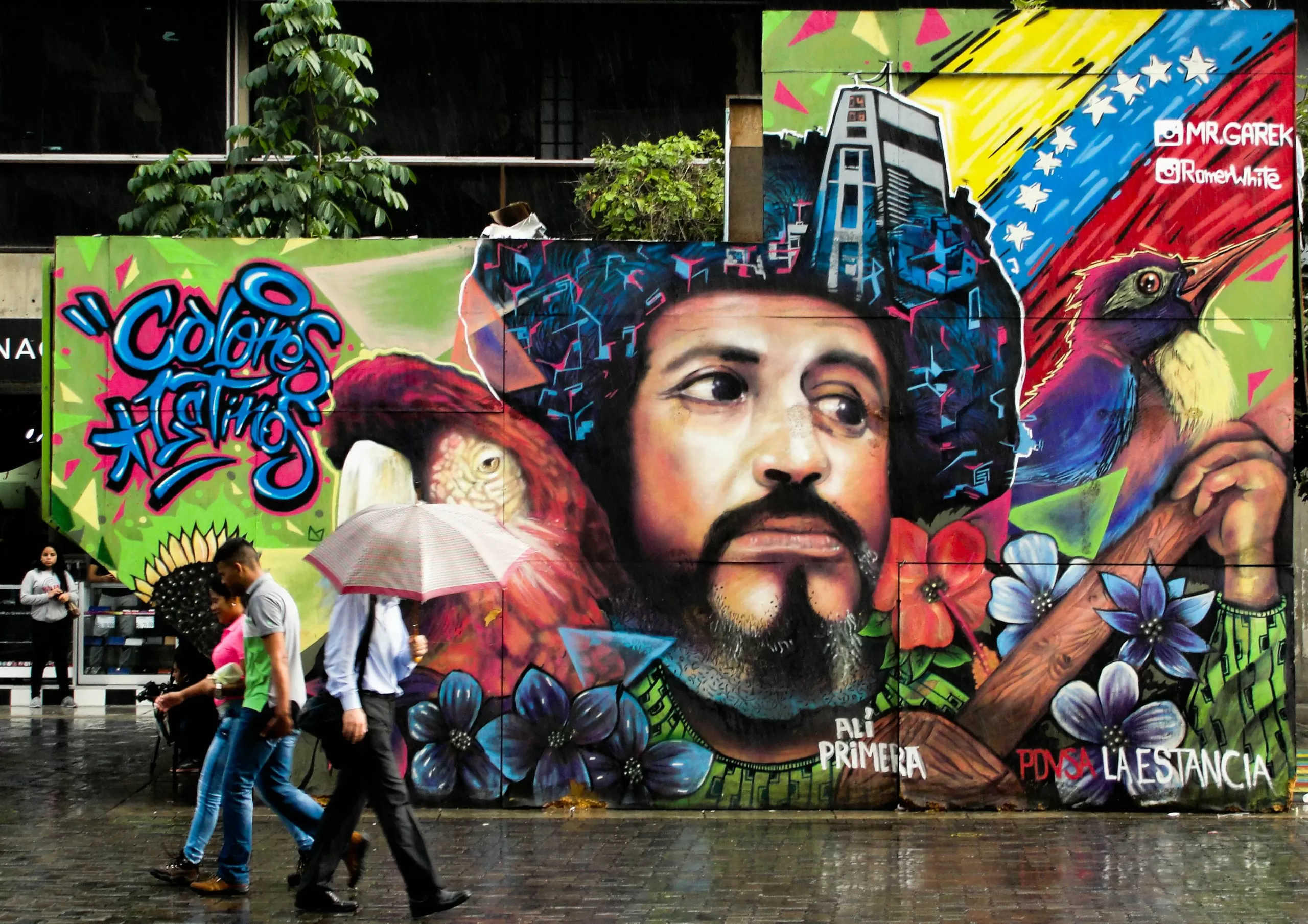
Ali Primera was a Venezuelan musician and political activist who dedicated his life to singing songs of resistance against inequality and injustice. He was a strong advocate for the rights of the working class and used his music to speak out against the oppressive policies of the United States. Primera’s music was a powerful tool that united the people of Venezuela and inspired them to stand up against injustices. However, his defiance against the US government came at a cost, as he was targeted and tortured by US-backed forces.
Born in 1941 in Coro, Venezuela, Ali Primera grew up in a humble working-class family. He witnessed firsthand the struggles and hardships faced by the poor in his country, which led to his strong sense of social justice. From a young age, he was passionate about music and used this medium to express his thoughts and feelings about the social and political issues plaguing Venezuela.
Primera’s music was heavily influenced by traditional Venezuelan folk music, but he also incorporated elements of salsa and rock. His powerful lyrics were a reflection of the reality of the Venezuelan people, highlighting the struggles of the working class and the injustices they faced. He sang about poverty, corruption, and the exploitation of resources by foreign powers, particularly the United States.
His songs of resistance struck a chord with the people of Venezuela, who saw him as a voice for the voiceless. His music became an anthem for the working class, inspiring them to rise up against the oppressive government and demand change. Primera’s popularity grew rapidly, and he became known as “El Cantor del Pueblo” (The People’s Singer).
However, his outspokenness and criticism of the US government did not sit well with those in power. In the 1960s and 1970s, the US had a strong presence in Latin America, supporting dictators and right-wing governments that were favorable to their interests. Venezuela was no exception, and Primera’s anti-US sentiments made him a target.
In 1972, Primera was arrested and tortured by security forces who were trained and instructed by US officials. This was a clear message to him and other activists to stay silent and not speak out against the US government. However, this only fueled Primera’s determination to fight against injustice and continue using his music as a weapon to resist oppression.
Despite the threats and dangers, Primera remained steadfast in his beliefs and continued to use his music to denounce the US interference in Venezuela and other Latin American countries. He also supported other social and political causes, including the struggles of indigenous communities and the fight against racism and discrimination.
In addition to his activism, Primera was also a member of the Communist Party of Venezuela and stood for socialist ideals. He believed that only a fair and equal society could bring about real change and improve the lives of the people. This further angered the US government, which saw socialism as a threat to their capitalist interests.
Sadly, Primera’s life was cut short at the age of 51 when he passed away in 1985 due to a heart attack. However, his legacy lives on through his music, which continues to inspire and unite the people of Venezuela. He remains a symbol of resistance and a reminder of the struggles faced by the working class in the country.
Today, Venezuela is still facing many of the same issues that Primera sang about in his songs. The country is going through a political and economic crisis, and the US continues to intervene in its affairs. However, Primera’s music remains relevant, and his message of resistance and social justice continues to resonate with the people.
In honor of his contributions, a statue of Ali Primera stands in the Plaza Venezuela in Caracas, and his songs are played at social and political events. He is also remembered through the annual “Tribute to Ali Primera” concert, which brings together musicians and activists to pay homage to his legacy.
In conclusion, Ali Primera’s songs of resistance against inequality and injustice, particularly towards the United States, were not just mere words but a call to action. He used his music to awaken the consciousness of the people and unite them in the fight against oppression. His bravery and determination continue to inspire generations, and his music will forever be a symbol of hope and resistance for the people of Venezuela.

