
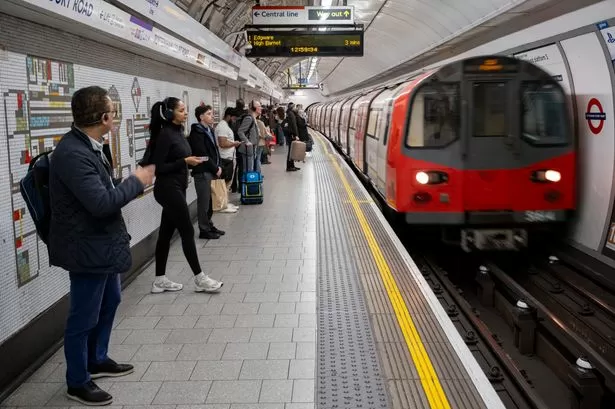
Sadiq Khan, the Mayor of London, has set an ambitious goal for the city to become a net zero carbon city by 2030. With this goal, London will become a leader in the fight against climate change and pave the way for other major cities around the world to follow suit. One of the key players in achieving this goal is Transport for London (TfL), which is the largest single electricity consumer in London with a demand of approximately 1.6 Terawatt hours (TWh) per year.
TfL is responsible for managing the transportation network in the city, including the iconic London Underground, buses, and trams. With millions of people using these services every day, it is no surprise that TfL has a significant electricity demand. However, with this comes a great opportunity to make a significant impact in reducing carbon emissions.
Under the leadership of Mayor Sadiq Khan, TfL has already taken significant steps towards becoming a more sustainable and energy-efficient organization. In 2018, TfL announced a new energy strategy with the goal of reducing carbon emissions by 60% by 2025. This strategy includes a range of initiatives such as increasing the use of renewable energy, improving the energy efficiency of buildings and infrastructure, and promoting sustainable transport options.
One of the key initiatives under this strategy is the switch to renewable energy. TfL has already committed to sourcing 100% of its electricity from renewable sources by 2030. This will not only help to reduce carbon emissions but also support the growth of the renewable energy sector in the UK. TfL has also invested in solar panels on its buildings and depots, as well as in renewable energy projects such as wind and solar farms.
In addition to switching to renewable energy, TfL is also implementing energy-saving measures across its network. This includes upgrading lighting systems to more energy-efficient LED lights, installing energy-efficient equipment, and using smart technology to monitor and manage energy usage. These measures not only help to reduce carbon emissions but also result in cost savings for TfL, which can be reinvested in improving the transport network.
TfL is also promoting sustainable transport options to reduce the carbon footprint of its services. This includes increasing the number of electric buses in its fleet, which currently stands at over 300. By 2030, TfL aims to have a fully electric bus fleet, which will eliminate carbon emissions from its buses. In addition, TfL has also introduced the world’s first Ultra Low Emission Zone in central London, which charges a fee for the most polluting vehicles entering the city. This has already led to a reduction in air pollution and carbon emissions in the city.
But TfL’s efforts to reduce carbon emissions do not stop at its own operations. It is also working with its suppliers and partners to encourage them to adopt more sustainable practices. This includes setting strict environmental standards for its contractors and suppliers and promoting the use of electric vehicles for deliveries and services.
The goal of making London a net zero carbon city by 2030 is an ambitious one, but with the efforts of Mayor Sadiq Khan and TfL, it is achievable. As the largest single electricity consumer in the city, TfL has a crucial role to play in this journey. By transitioning to renewable energy, implementing energy-saving measures, and promoting sustainable transport options, TfL is setting an example for other organizations and inspiring them to take action towards a more sustainable future.
But the work does not stop here. It is important for all of us, as individuals, to also play our part in reducing carbon emissions. This can be as simple as choosing to walk or cycle instead of taking a car, using public transport, or making small changes in our daily habits to be more eco-friendly. Together, we can support Mayor Sadiq Khan’s vision and make London a net zero carbon city by 2030, setting an example for the rest of the world to follow.

