
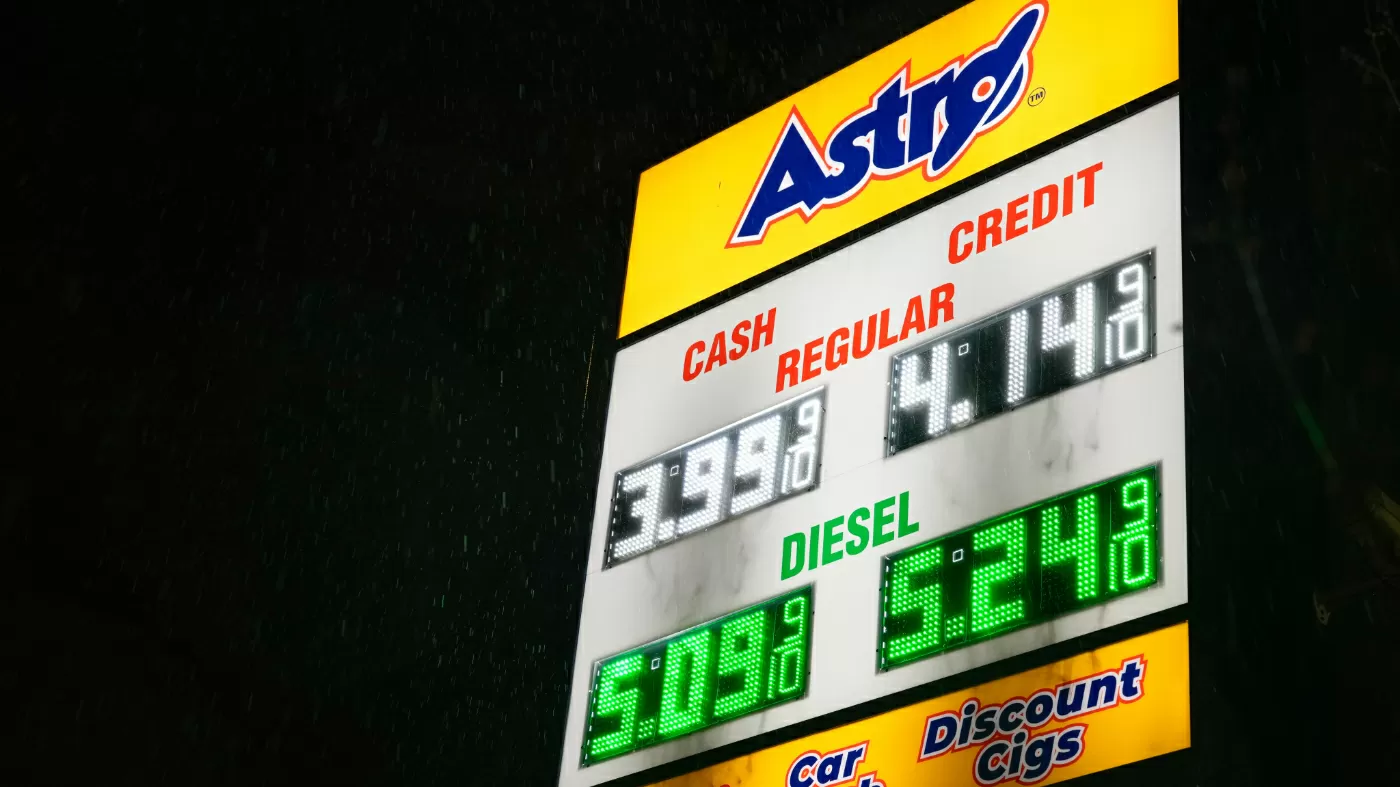
The price of diesel has been on the rise in recent weeks, reaching a national average of over $5 per gallon, according to AAA. This increase can be attributed to the ongoing tensions in the Middle East, particularly the war in Iran, which has put a strain on oil supplies. As diesel, like gasoline, is made from oil, it is not surprising that its price has also been affected.
Diesel is a crucial fuel source for many industries, especially for transportation. Trucks, in particular, rely heavily on diesel to power their engines and transport goods across the country. With the rise in diesel prices, the cost of trucked goods is also expected to increase, which could have a ripple effect on the overall economy.
Just a month ago, the national average for diesel was significantly lower, making this sudden spike in prices a cause for concern. The increase in diesel prices is not only affecting the trucking industry but also has an impact on the general public. As the cost of transportation rises, it can lead to higher prices for everyday goods and services, ultimately affecting the average consumer.
The ongoing tensions in the Middle East have caused a disruption in the global oil market, leading to a decrease in supply and an increase in prices. Iran, one of the world’s largest oil producers, has been facing economic sanctions, which have limited its ability to export oil. This has resulted in a decrease in the global oil supply, causing prices to soar.
The rise in diesel prices has also been felt in other parts of the world, with many European countries also experiencing an increase. This is due to the fact that Europe relies heavily on imported oil, and any disruptions in the global market can have a significant impact on their prices.
The trucking industry, which plays a crucial role in the economy, is already feeling the effects of the rise in diesel prices. Many trucking companies are now facing higher operating costs, which could ultimately lead to a decrease in profits. This could also result in job losses and a slowdown in the industry, which would have a negative impact on the economy as a whole.
In order to mitigate the effects of the rising diesel prices, the government and industry leaders must work together to find solutions. One possible solution could be to invest in alternative fuel sources, such as electric or hybrid trucks, which would reduce the industry’s reliance on diesel. This would not only help to lower costs but also have a positive impact on the environment.
Another solution could be for the government to provide subsidies or tax breaks to trucking companies to help offset the rising costs. This would not only support the trucking industry but also help to keep the prices of goods and services stable for the average consumer.
It is also essential for consumers to be mindful of their fuel consumption and look for ways to reduce their dependence on diesel. Simple measures such as carpooling or using public transportation can make a significant impact in reducing the demand for diesel and ultimately help to lower prices.
In conclusion, the rise in diesel prices is a cause for concern, and it is crucial for all stakeholders to work together to find solutions. The ongoing tensions in the Middle East have highlighted the need for alternative fuel sources and the importance of reducing our reliance on oil. By taking proactive measures, we can help to stabilize diesel prices and ensure the smooth functioning of the economy.

