
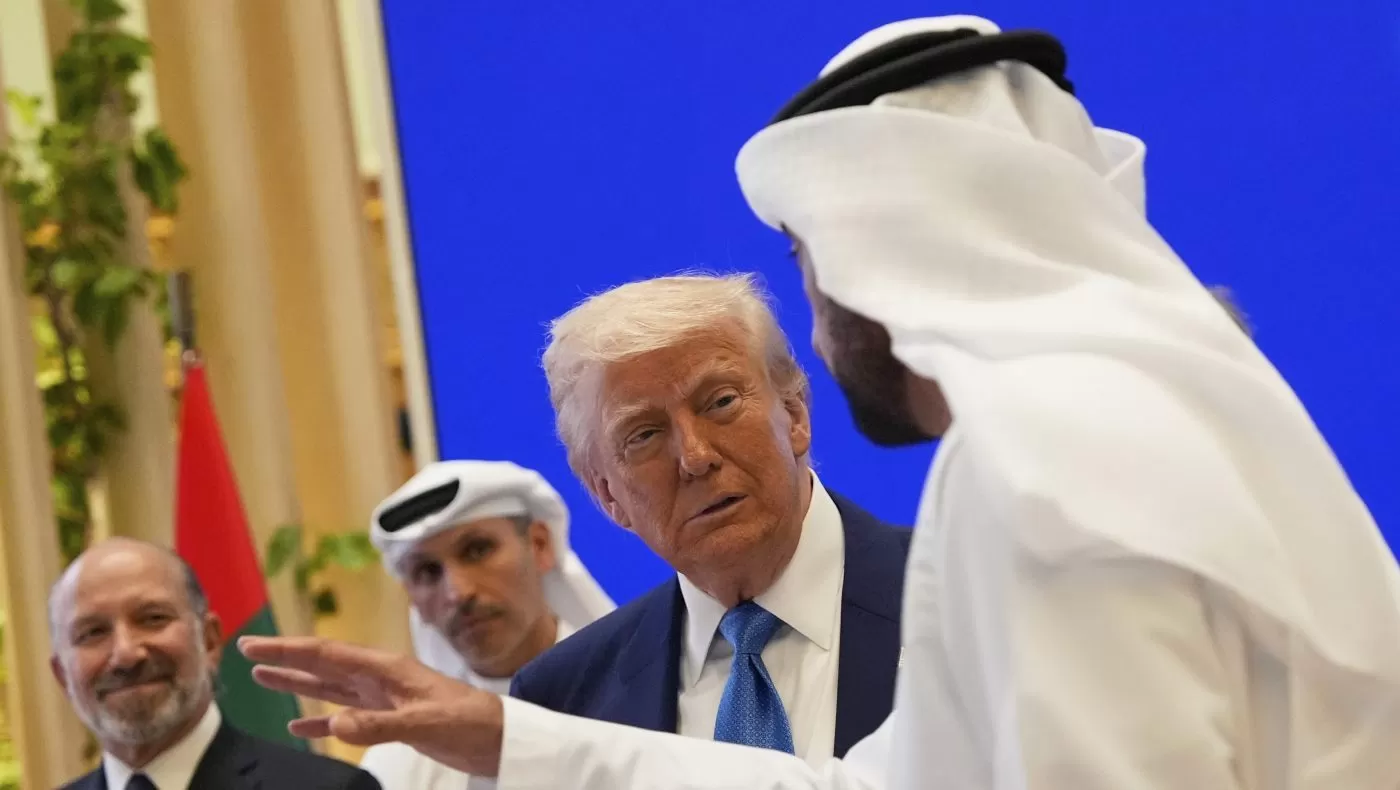
The Gulf states are facing a difficult situation as the Iran war enters its third week. On one hand, they are quietly rooting for the United States and Israel to successfully complete the war and eliminate the threat posed by Iran. On the other hand, they are trying to maintain some level of relations with whatever government remains in Iran once the dust settles. It’s a delicate diplomatic dance for these six countries, as they navigate through this complex and volatile situation.
The Gulf states, which include Bahrain, Kuwait, Oman, Qatar, Saudi Arabia, and the United Arab Emirates, have long been at odds with Iran. The two sides have been engaged in a power struggle for decades, with each trying to exert their influence in the region. The recent escalation of tensions between the United States and Iran has only added fuel to the fire, putting the Gulf states in a precarious position.
As the war between the United States and Iran rages on, the Gulf states find themselves caught between a rock and a hard place. On one hand, they cannot afford to openly support the United States and Israel, as it would further strain their already fragile relationship with Iran. On the other hand, they cannot afford to be seen as supporting Iran, as it would anger their allies in the West and jeopardize their economic and political ties.
The Gulf states are well aware of the consequences of openly taking sides in this conflict. They have seen how other countries in the region, such as Iraq and Syria, have been torn apart by similar wars. They do not want to be dragged into a prolonged conflict that could have devastating consequences for their economies and their people. Therefore, they have chosen to tread carefully and maintain a neutral stance, at least publicly.
However, behind closed doors, the Gulf states are quietly rooting for the United States and Israel to emerge victorious in this war. They see Iran as a threat to their security and stability, and they believe that the elimination of the current regime in Iran would be in their best interest. They are also aware that a strong and decisive victory by the United States and Israel would send a strong message to other countries in the region, including Iran, that aggression and destabilization will not be tolerated.
At the same time, the Gulf states are also trying to maintain some level of relations with Iran. They know that once the war is over, they will have to deal with whatever government remains in power in Iran. They do not want to completely sever ties with Iran, as it could have negative consequences for their economies and their people. Therefore, they are engaging in a delicate balancing act, trying to maintain a level of diplomacy while also supporting the United States and Israel in their efforts to defeat Iran.
This delicate diplomatic dance is not an easy one for the Gulf states. They are constantly walking a tightrope, trying to appease both sides without angering either. They are also facing pressure from their own people, who are divided in their opinions about the war. Some support the United States and Israel, while others sympathize with Iran. The Gulf states must carefully navigate through these differing opinions and maintain a united front in the face of this crisis.
In conclusion, the Gulf states are facing a difficult situation as the Iran war stretches into its third week. They are quietly rooting for the United States and Israel to emerge victorious, while also trying to maintain some level of relations with Iran. It’s a delicate diplomatic dance that requires careful navigation and strategic decision-making. The Gulf states are between a rock and a hard place, but they are determined to come out of this crisis with their stability and security intact.

