
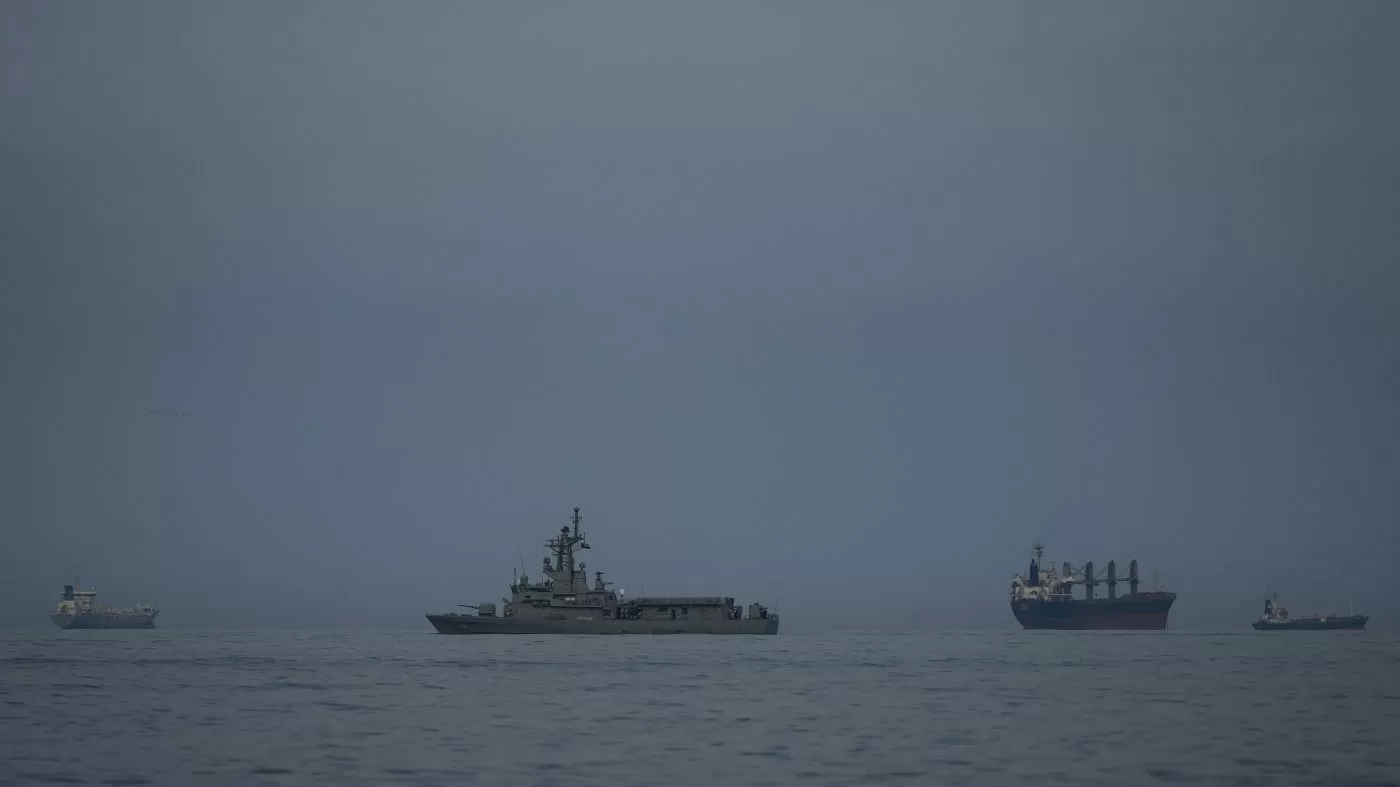
Leaders of Japan and several European nations have come together to condemn the recent Iranian attacks in the Persian Gulf states and the effective closure of the Strait of Hormuz, a major oil trading channel. In a joint letter released on Thursday, the leaders expressed their concern and offered their support to ensure safe passage through the Strait.
The Strait of Hormuz is a vital waterway that connects the Persian Gulf with the Gulf of Oman and the Arabian Sea. It is a key route for the transportation of oil and gas, with almost one-fifth of the world’s oil passing through it. Any disruption in the flow of oil through this channel can have a significant impact on the global economy.
The recent attacks by Iran on oil tankers and the seizure of a British-flagged tanker in the Strait of Hormuz have raised tensions in the region. These actions have been condemned by the international community, with many countries calling for a peaceful resolution to the situation.
In their letter, the leaders of Japan and several European nations expressed their readiness to contribute to appropriate efforts to ensure safe passage through the Strait. This statement highlights their commitment to maintaining the stability and security of the region, as well as their concern for the global economy.
Japan, as one of the world’s top importers of oil, has a vested interest in ensuring the safe passage of oil through the Strait of Hormuz. The country relies heavily on oil imports to meet its energy needs, and any disruption in the supply can have a significant impact on its economy. Therefore, it is not surprising that Japan has taken a strong stance on this issue and has joined forces with other nations to find a solution.
The European nations, on the other hand, have also expressed their concern over the recent events in the Persian Gulf. The closure of the Strait of Hormuz not only affects the flow of oil but also poses a threat to the safety of their citizens and businesses in the region. The leaders have made it clear that they stand in solidarity with Japan and other countries in finding a peaceful resolution to this crisis.
The joint letter also emphasizes the need for cooperation and collaboration among nations to ensure the safe passage of oil through the Strait. This sentiment is echoed by the international community, with many countries calling for a diplomatic solution to the ongoing tensions in the region.
The leaders of Japan and several European nations have also called for a de-escalation of the situation and urged all parties involved to exercise restraint. They have emphasized the importance of dialogue and diplomacy in resolving conflicts and have offered their support in facilitating discussions between the involved parties.
In addition to their commitment to ensuring safe passage through the Strait, the leaders have also expressed their support for the sovereignty and territorial integrity of all nations in the region. This statement highlights their stance on respecting international laws and norms and promoting peaceful coexistence among nations.
The joint letter from the leaders of Japan and several European nations is a strong message to the international community that they are united in their efforts to find a peaceful resolution to the current crisis in the Persian Gulf. It also serves as a reminder that cooperation and collaboration among nations are essential in maintaining global peace and stability.
In conclusion, the recent Iranian attacks in the Persian Gulf states and the effective closure of the Strait of Hormuz have been met with strong condemnation from the leaders of Japan and several European nations. Their joint letter expresses their concern and commitment to ensuring safe passage through the Strait, as well as their support for a peaceful resolution to the ongoing tensions in the region. It is a testament to the power of international cooperation and diplomacy in addressing global issues and promoting peace and stability.

