
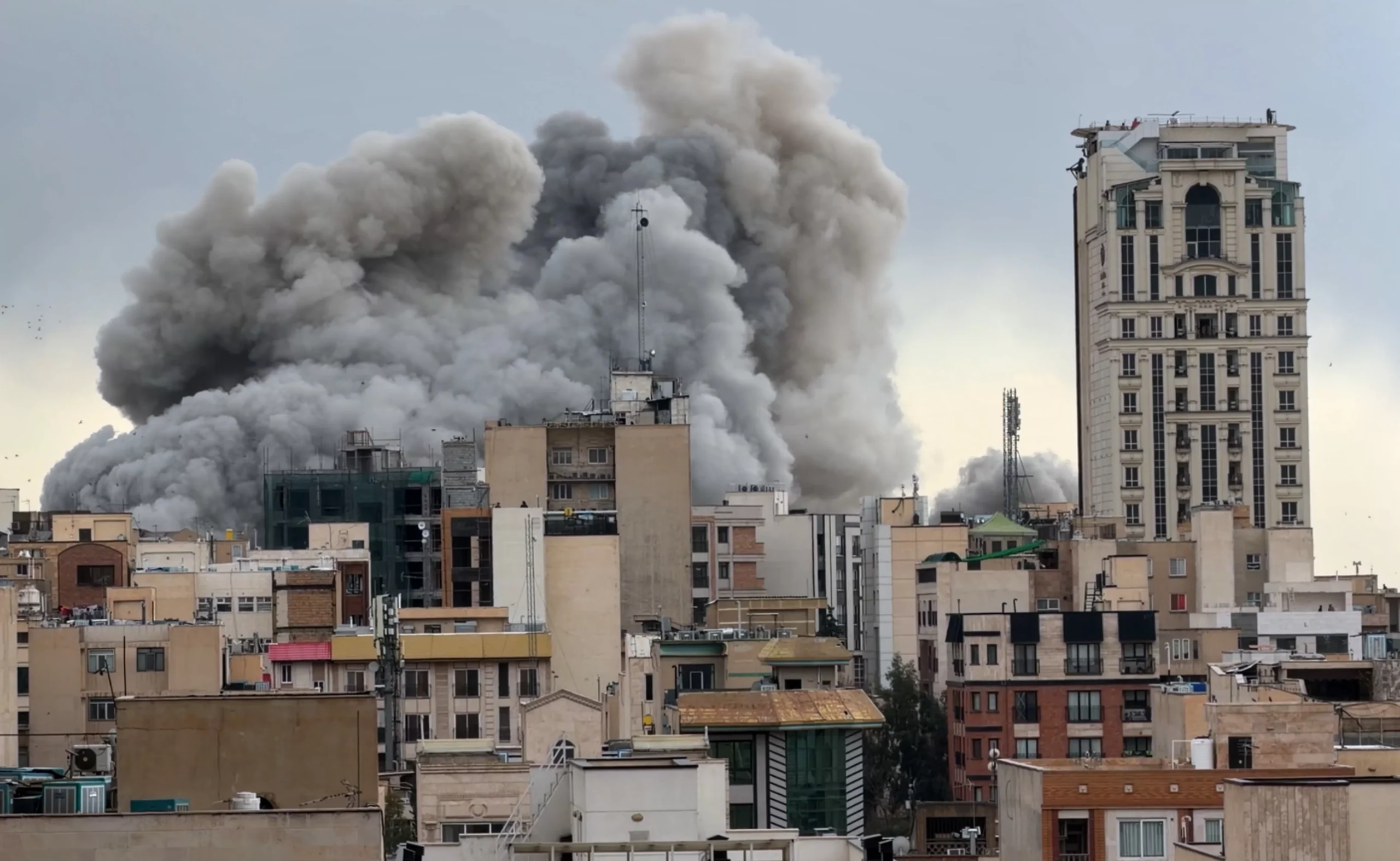
The recent conflict between the United States and Iran has caused widespread devastation and destruction in the country. While the world has been focused on the political and military implications of this conflict, there is another aspect that has been largely overlooked – the impact on education and academic institutions.
Just a few weeks ago, students in Iran were protesting against the regime, demanding more freedom and better opportunities for education. However, now the same universities that were once filled with the voices of these brave students have been reduced to rubble in news footage of the war. It is a heartbreaking sight to see the places of learning and knowledge being destroyed in the crossfire of war.
According to reports, almost two dozen universities in Iran have sustained damage in the recent attacks. This includes some of the most prestigious and renowned institutions in the country, such as the University of Tehran, Sharif University of Technology, and the University of Isfahan. These universities have been at the forefront of academic excellence in Iran, producing some of the brightest minds in various fields of study.
The destruction of these universities raises serious questions about the ethics of war. Is it acceptable to target academic institutions, which are supposed to be safe havens for learning and intellectual growth? The Geneva Conventions, which outline the rules of war, clearly state that attacks on civilian objects, including schools and universities, are prohibited. The deliberate targeting of these institutions can be considered a war crime, and those responsible must be held accountable.
The impact of these attacks goes beyond just the physical damage to buildings and infrastructure. It also has a profound effect on the students and faculty members who have been displaced and traumatized by the violence. Many students have lost their homes and belongings, and their dreams of a better future have been shattered. The faculty members, who have dedicated their lives to teaching and research, have also been affected by the destruction of their workplaces.
The destruction of universities in Iran has not gone unnoticed by the international community. Many countries and organizations have condemned these attacks and called for an immediate end to the violence. The United Nations Educational, Scientific and Cultural Organization (UNESCO) has also expressed deep concern over the targeting of academic institutions in Iran. In a statement, UNESCO Director-General Audrey Azoulay said, “The destruction of universities and other educational institutions is a grave violation of human rights and must be stopped immediately.”
In response to these attacks, Iran has threatened to retaliate against U.S.-affiliated schools in the country. This includes institutions such as the American University of Tehran and the American University of Science and Technology. While it is understandable that Iran wants to defend itself and its people, targeting academic institutions is not the answer. It will only lead to further destruction and suffering, and will not bring any resolution to the conflict.
Education is the foundation of a society, and universities play a crucial role in shaping the future of a nation. By targeting these institutions, the war in Iran is not only destroying buildings, but also the hopes and aspirations of an entire generation. It is imperative that both sides put an end to this senseless violence and find a peaceful resolution to their differences.
In the midst of all this chaos and destruction, it is heartening to see that the students of these universities have not lost their spirit and determination. Despite the challenges they face, they continue to pursue their education and strive for a better future. Their resilience and courage are a testament to the power of education and the human spirit.
As the world watches the events unfolding in Iran, it is important to remember the importance of education and the need to protect academic institutions. We must stand in solidarity with the students and faculty members of these universities and demand an end to the attacks on education. Let us hope that peace and stability will soon return to Iran, and that the universities that have been reduced to rubble will rise again, stronger and more determined than ever before.

