
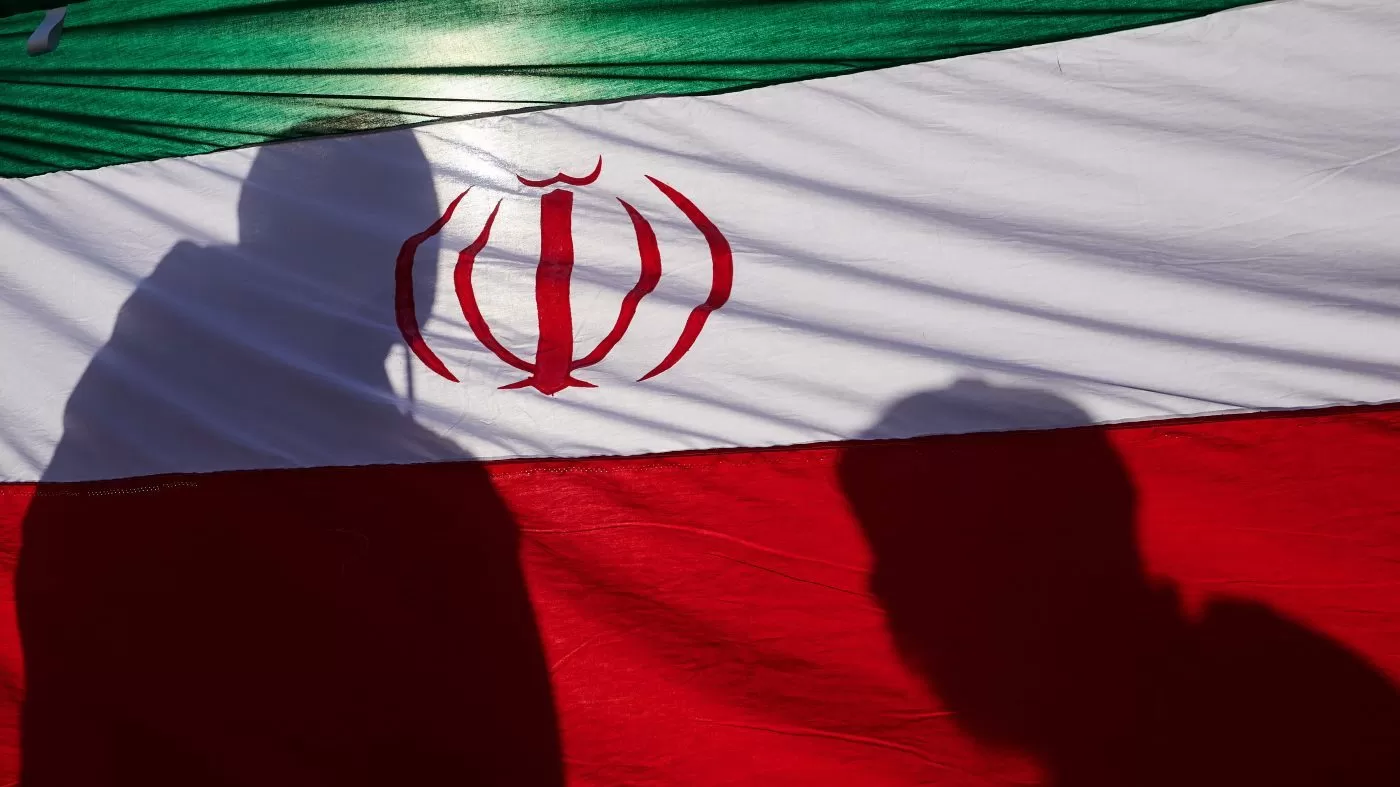
Iran has once again rejected a peace proposal from the United States, citing it as “unrealistic.” This latest development comes as tensions between the two countries continue to escalate, with a looming deadline set by President Trump for the reopening of the Strait of Hormuz, a vital waterway for global oil trade. The U.S. and Iran had received a draft ceasefire proposal, but it seems that the chances of reaching a peaceful resolution are slim.
The rejection of the peace proposal by Iran has only added fuel to the already burning fire between the two nations. President Trump had previously warned Iran that if the Strait of Hormuz is not reopened, they would face “all Hell,” with military strikes on their power plants. This ultimatum has only heightened the tension and raised concerns about the possibility of a military confrontation between the two countries.
The draft ceasefire proposal, which was presented to both parties, aimed to de-escalate the ongoing conflict and find a peaceful solution. However, Iran’s rejection of the proposal has once again highlighted the deep-rooted mistrust and animosity between the two nations. The U.S. had hoped that this proposal would be a step towards easing tensions and finding a way to resolve the issues between the two countries. But unfortunately, it seems that Iran is not ready to entertain any peace talks at this time.
The Strait of Hormuz is a crucial waterway for global oil trade, with almost one-fifth of the world’s oil supply passing through it. The closure of this strait would have a significant impact on the global economy, and it is in the best interest of both countries to find a peaceful solution. However, Iran’s rejection of the peace proposal has only added to the uncertainty and instability in the region.
The U.S. has been continuously urging Iran to come to the negotiating table and find a way to resolve the ongoing conflict. However, Iran’s refusal to engage in any peace talks has only hindered the progress towards finding a resolution. The rejection of the peace proposal is a clear indication that Iran is not willing to compromise and is determined to continue its aggressive stance towards the U.S.
The U.S. has made it clear that it will not tolerate any threats to its national security and will take necessary measures to protect its interests. The deadline set by President Trump for the reopening of the Strait of Hormuz is fast approaching, and it remains to be seen what actions the U.S. will take if Iran does not comply. The possibility of military strikes on power plants in Iran is a cause for concern, and it is crucial for both countries to find a way to de-escalate the situation before it spirals out of control.
The rejection of the peace proposal by Iran is a setback in the efforts to find a peaceful resolution to the ongoing conflict. It is essential for both countries to put their differences aside and engage in meaningful dialogue to find a way to end the hostility. The international community has also been urging both parties to find a peaceful solution and avoid any actions that could lead to further escalation.
In conclusion, the rejection of the peace proposal by Iran has only added to the tension and uncertainty in the region. It is crucial for both countries to find a way to resolve their issues through peaceful means and avoid any actions that could lead to a military confrontation. The world is watching, and it is time for both the U.S. and Iran to put their differences aside and work towards finding a lasting solution to the ongoing conflict. Only through dialogue and cooperation can a peaceful resolution be achieved.

