
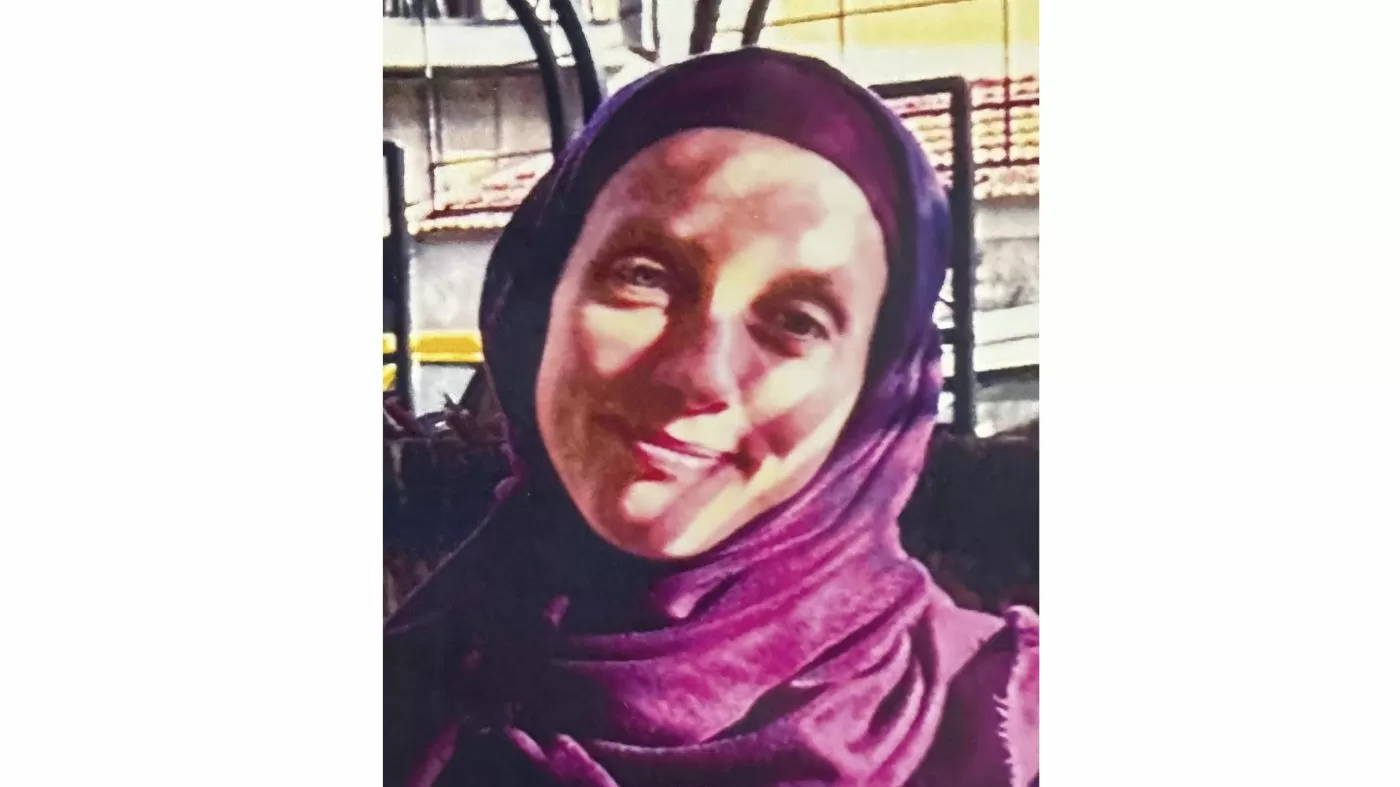
U.S. journalist Shelly Kittleson has been released from captivity on Tuesday after being abducted in Baghdad at the end of March, an Iraqi official confirmed to The Associated Press. The news has brought relief and joy to her friends, family, and colleagues waiting for her safe return.
Kittleson, who has been working as a freelance journalist in the Middle East for over a decade, was abducted by an unknown armed group in the Iraqi capital. The details of her abduction and captivity are not known at this time.
However, on Tuesday, the Iraqi militia group Kataib Hezbollah released a statement announcing Kittleson’s release. They also stated that she would be required to leave the country immediately after her release. This condition has raised concerns and questions among many regarding the safety and well-being of foreign journalists working in the region.
Kittleson’s family and friends have expressed their immense gratitude for her safe release and appealed to the authorities to ensure her safe return home. They also thanked everyone who had worked tirelessly behind the scenes to secure her release.
The U.S. State Department has also released a statement, saying, “We are grateful for the efforts of the Iraqi authorities and the support of our international partners in securing her release. The safety and well-being of U.S. citizens abroad is our top priority.” The statement further added, “We urge all foreign journalists to exercise caution and vigilance when working in the region.”
Kittleson’s abduction had raised concerns among the international community about the safety of journalists working in conflict zones. The freedom of the press is a crucial part of a democratic society, and the abduction of any journalist is a direct attack on this fundamental value.
The Committee to Protect Journalists, a non-profit organization dedicated to promoting press freedom, has condemned the abduction of Kittleson and called for her immediate and unconditional release. “Journalists must be able to operate without fear of violence and intimidation,” said CPJ Middle East and North Africa Program Coordinator, Sherif Mansour. “We call on all parties involved in the conflict in Iraq to respect the rights and safety of journalists.”
Kittleson’s release also drew attention to the dangerous working conditions faced by journalists in the region. According to Reporters Without Borders, 80 journalists have been killed in Iraq since 2003, making it one of the deadliest countries for reporters. The organization has also raised concerns about the increasing threats and attacks on journalists in the country.
The safe release of Shelly Kittleson is a beacon of hope for many journalists who continue to risk their lives in pursuit of truth and justice. It is essential for governments and authorities to ensure the safety and protection of all journalists, both local and foreign, who bravely report on events shaping our world.
It is also a reminder that the work of journalists is critical in keeping the public informed and holding those in power accountable. The abduction and release of Shelly Kittleson serves as a poignant reminder of the invaluable role journalists play in our society.
As Kittleson makes her way back home, we are reminded of the importance and fragility of press freedom. We hope that she will soon be reunited with her loved ones and able to continue her important work as a journalist.
In conclusion, the safe release of Shelly Kittleson is a cause for celebration, but it also raises concerns about the safety of journalists in conflict zones. We must continue to stand in solidarity and demand the protection of journalists worldwide. The freedom of the press is not a privilege but a right that must be safeguarded at all times.

