
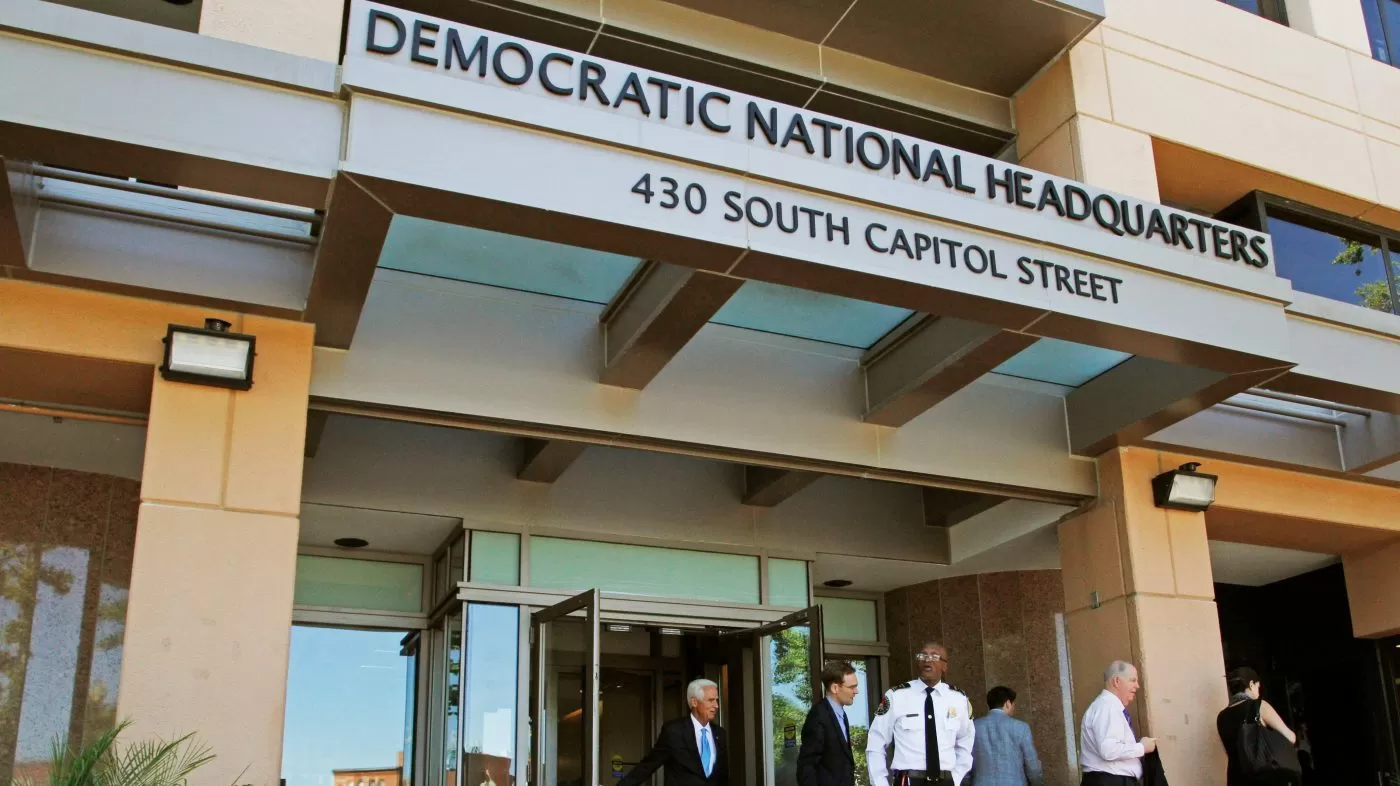
A recent decision by the Democratic National Committee (DNC) has sparked controversy and raised questions about the party’s commitment to transparency and reducing the influence of dark money in politics. At the DNC’s spring meeting in New Orleans this week, a resolutions committee voted to reject a resolution that aimed to address the growing influence of dark money and corporate-backed outside spending in Democratic races, particularly from the American Israel Public Affairs Committee (AIPAC).
This decision has left many in the party disappointed and concerned about the direction the DNC is heading in. The resolution, proposed by a group of progressive activists, sought to shed light on the impact of dark money and corporate interests in Democratic campaigns. It specifically called out AIPAC, a powerful pro-Israel lobbying group, for its significant financial contributions to Democratic candidates.
The fact that the resolution was rejected by the DNC’s resolutions committee is alarming and sends a message that the party is not willing to take a firm stand against the corrupting influence of money in politics. It is a missed opportunity to show the American people that the Democratic Party is committed to upholding the values of transparency and accountability.
This decision has also raised concerns about the DNC’s relationship with AIPAC. Some argue that the rejection of the resolution is a clear indication of the party’s close ties with the pro-Israel group. It is no secret that AIPAC has a significant presence and influence within the Democratic Party, and this decision only further cements that relationship.
But what does this mean for the future of the Democratic Party? It is concerning to see the party turn a blind eye to the growing influence of dark money and corporate interests. This decision goes against the core values of the party and undermines the trust of the American people. How can we expect to create meaningful change and address the issues that matter to the American people if we are not willing to stand up to the corrupting influence of money in politics?
Some argue that AIPAC’s financial contributions to Democratic candidates do not necessarily mean that they have a hold over the party. However, the rejection of this resolution only fuels the perception that the party is more concerned with maintaining a good relationship with AIPAC than standing up for what is right.
It is also worth noting that this decision comes at a time when the Democratic Party is facing criticism for its lack of diversity and inclusivity. AIPAC has been accused of promoting policies that are detrimental to marginalized communities, particularly the Palestinian people. By rejecting this resolution, the DNC is sending a message that it is willing to turn a blind eye to these concerns and prioritize the interests of a powerful lobbying group over the well-being of marginalized communities.
In a time when the American people are demanding more transparency and accountability from their elected officials, this decision by the DNC is a step in the wrong direction. It is crucial for the party to take a strong stance against the corrupting influence of money in politics and show that it is committed to promoting transparency and fairness in our democratic system.
The rejection of this resolution may have disappointed many, but it should also serve as a wake-up call for the Democratic Party. It is time for the party to re-evaluate its priorities and take a firm stand against the corrupting influence of money in politics. We must not let the interests of a few powerful groups dictate the direction of our party and our country.
In conclusion, the DNC’s decision to reject the resolution condemning the influence of dark money and AIPAC in Democratic races is a missed opportunity to show the American people that the party is committed to promoting transparency and accountability in our political system. It is time for the party to take a hard look at its priorities and take a firm stand against the corrupting influence of money in politics. The American people deserve a government that works for them, not for the interests of powerful lobbying groups. It is up to the Democratic Party to lead by example and show that it is truly dedicated to creating a fair and just democracy for all.

