
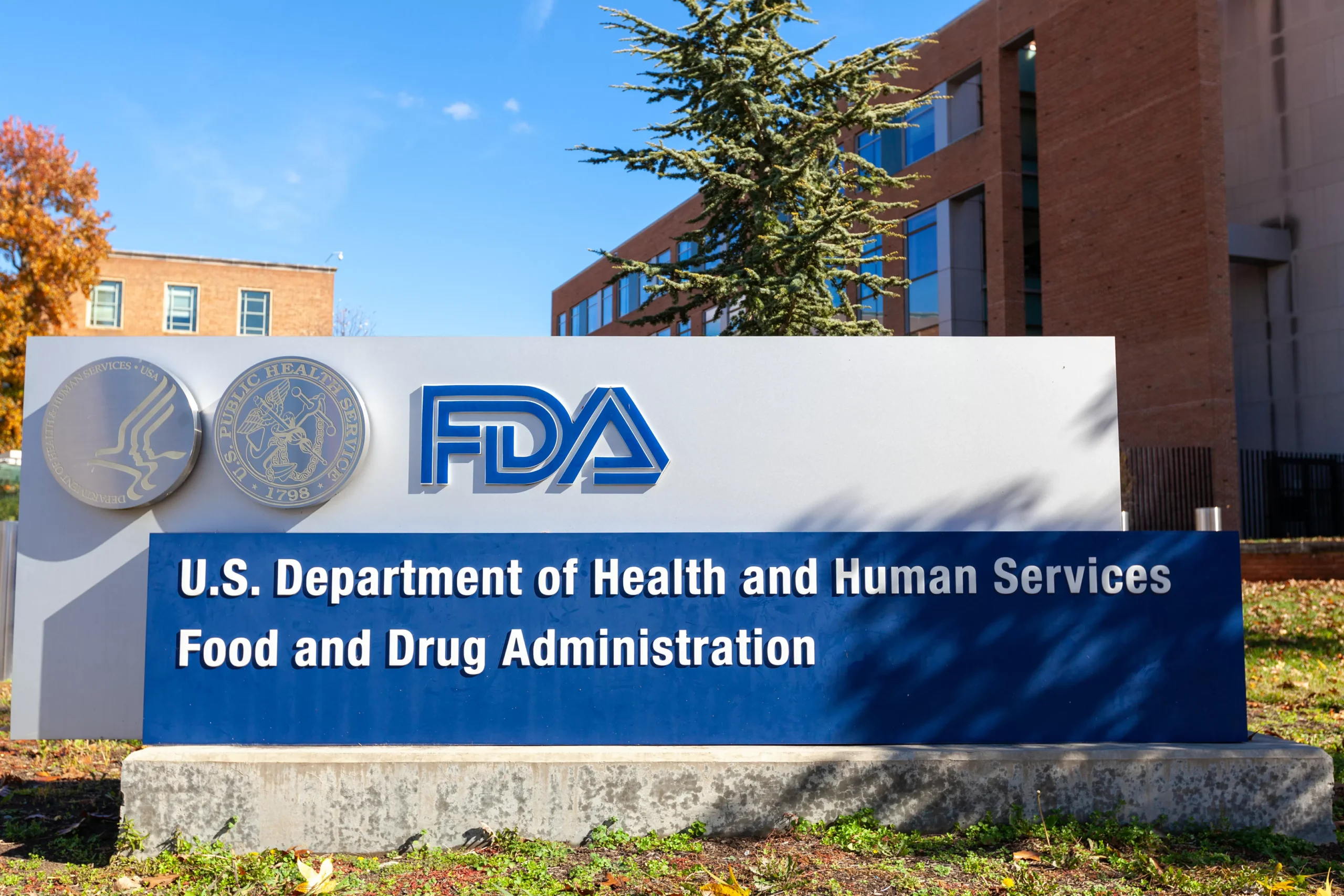
The Food and Drug Administration (FDA) is a government agency responsible for protecting the public’s health by ensuring the safety and effectiveness of food, drugs, and medical devices. However, in recent years, the FDA has faced criticism from the U.S. Public Interest Research Group (USPIRG) regarding delays in its food recall process. This has raised concerns about the agency’s ability to effectively protect consumers from potentially harmful food products.
The USPIRG is a non-profit organization that advocates for the public’s interest in areas such as consumer protection, environmental sustainability, and government accountability. In a recent report, the organization highlighted several cases where the FDA failed to act promptly in recalling contaminated food products, putting the health of consumers at risk.
One of the most alarming cases mentioned in the report was the delayed recall of romaine lettuce contaminated with E. coli in 2018. The lettuce was linked to over 200 illnesses and five deaths, yet the FDA took over six weeks to issue a recall. This delay was attributed to the agency’s outdated and inefficient recall process, which involves notifying the company responsible for the contaminated product and waiting for their voluntary cooperation.
The USPIRG report also pointed out other instances where the FDA’s slow response to food recalls had serious consequences. In 2016, frozen vegetables contaminated with Listeria were linked to nine illnesses and three deaths, but the recall was not initiated until two months after the FDA was aware of the issue. Similarly, in 2015, contaminated ice cream led to 10 illnesses and three deaths, but the FDA took over three months to issue a recall.
These delays in the FDA’s food recall process are concerning, as they put the health and safety of consumers at risk. The USPIRG report also highlighted the need for the FDA to improve its communication with the public, as the agency often fails to provide timely and accurate information about food recalls, leaving consumers in the dark about potential health risks.
The FDA has responded to the USPIRG report, acknowledging the need for improvements in its recall process. In a statement, the agency stated that it is committed to making changes to address the concerns raised by the USPIRG. The FDA has already taken steps to improve its recall process, including the implementation of a new system that allows for faster communication between the agency and food companies.
While the FDA’s efforts to improve its recall process are commendable, there is still room for improvement. The USPIRG has called for the agency to have the authority to issue mandatory recalls, rather than relying on voluntary cooperation from food companies. This would ensure a quicker response to potential health threats and better protect consumers.
In addition, the FDA needs to improve its communication with the public during food recalls. This includes providing more detailed and timely information about the products being recalled, the potential health risks, and steps that consumers can take to protect themselves.
It is important for the FDA to take these criticisms seriously and work towards making significant improvements in its food recall process. The agency plays a crucial role in protecting the public’s health, and any delays or failures in its recall process can have serious consequences.
Consumers also have a role to play in ensuring their safety when it comes to food products. It is essential to stay informed about food recalls and take appropriate measures to protect oneself and family. This includes checking the FDA’s website for updated recall information and following safe food handling practices.
In conclusion, while the FDA is facing criticism from the USPIRG for delays in its food recall process, it is heartening to see the agency taking steps to address these concerns. However, there is still work to be done, and the FDA must continue to improve its processes to better protect the health and safety of consumers. We, as consumers, must also stay vigilant and informed to ensure the safety of the food we consume.

