
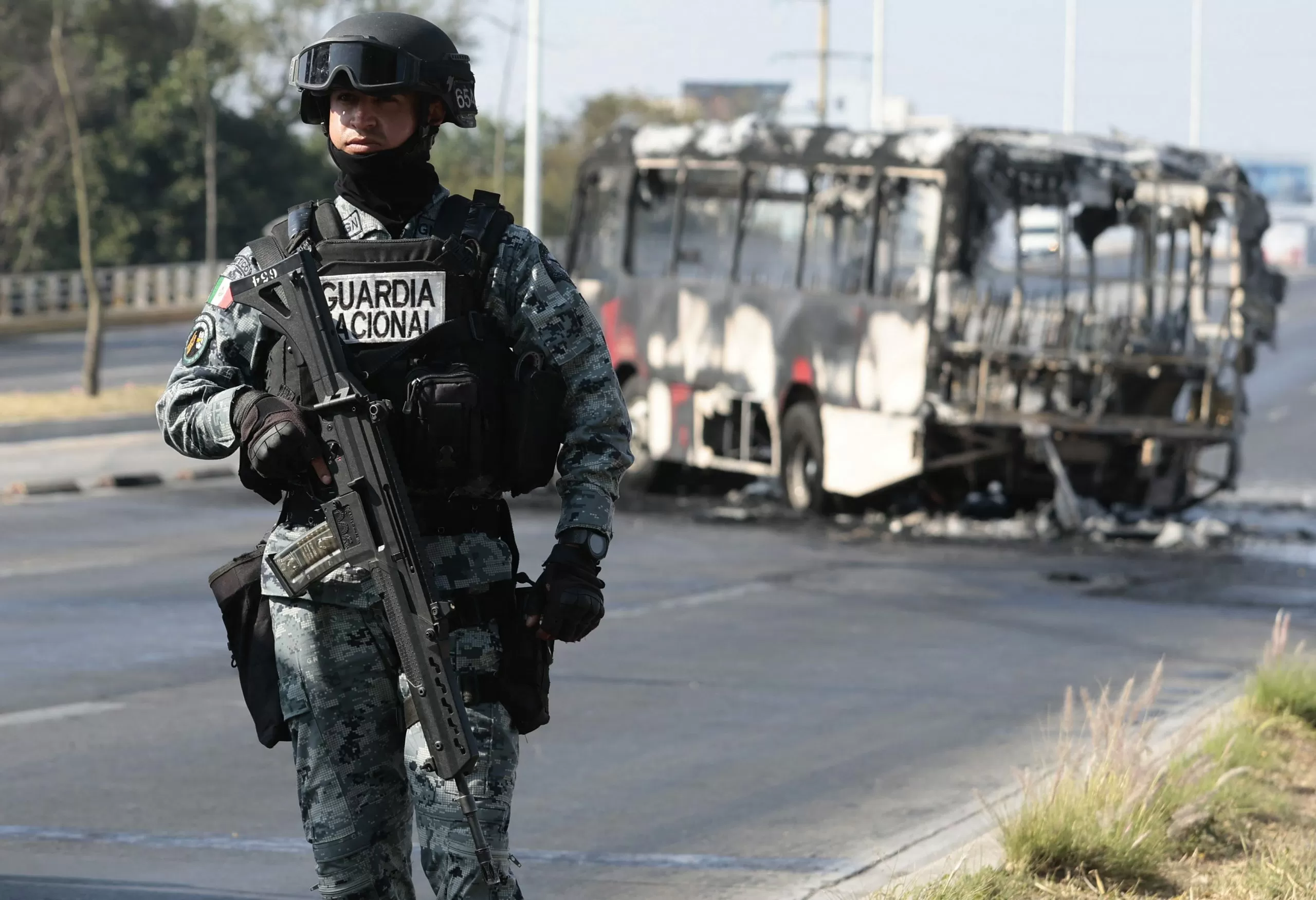
Drugs. A word that has become synonymous with fear, violence, and destruction in Latin America. For decades, it has been used as an excuse for the atrocities and turmoil that have plagued the region. And now, with Trump’s rhetoric and policies, the temperature is rising even higher. This is episode 10 of Under the Shadow, Season 2.
The drug trade has long been a source of conflict in Latin America. Cartels, gangs, and corrupt officials have all played a role in perpetuating this vicious cycle of violence. And while efforts have been made to combat this issue, the root causes have not been effectively addressed.
But why has the drug trade been allowed to thrive in Latin America? One reason is the demand for drugs in the United States and other countries. The insatiable appetite for drugs has created a lucrative market, making it all the more difficult to eradicate.
Moreover, the War on Drugs, initiated by the United States in the 1970s, has only exacerbated the problem. Instead of addressing the root causes of drug production and consumption, it has focused on criminalization and punishment. This has led to a significant increase in violence and human rights violations in Latin America, as well as the mass incarceration of low-level offenders.
But amidst all this chaos and destruction, there are glimmers of hope. Organizations and individuals are working tirelessly to address the underlying issues and provide alternatives to the drug trade. From community-based programs to government initiatives, steps are being taken to break the cycle of violence and poverty.
One such initiative is the “Paz Colombia” program, led by Colombian President Juan Manuel Santos. This comprehensive plan aims to promote peace, address poverty and inequality, and provide opportunities for those affected by the drug trade. It also includes efforts to substitute illegal crops with legal and sustainable alternatives, such as cacao and coffee production.
Another example is the work of local NGOs and community leaders in Mexico. These grassroots organizations are providing education, job training, and support to at-risk youth, giving them a chance to break away from the drug trade and build a better future for themselves and their communities.
But perhaps the most significant development in recent years has been the legalization of marijuana in several countries, including Uruguay, Canada, and some states in the United States. This has not only reduced the demand for illegal drugs but has also generated revenue for governments and created new job opportunities.
However, despite these efforts, the drug trade continues to thrive, and the violence and instability it brings with it remain a pressing issue. And now, with Trump’s hardline stance on drugs and immigration, the situation has become even more complicated.
The current administration’s policies, including the construction of a border wall and the separation of families, have only added fuel to the fire. Instead of addressing the root causes of drug production and consumption, they have chosen to focus on punitive measures that only serve to further divide and harm communities.
But we must not lose hope. The people of Latin America are resilient and determined to overcome this challenge. And with the support of the international community and a shift towards a more comprehensive and compassionate approach, we can make a difference.
So let us not allow drugs to continue to be the boogeyman of Latin America. Let us work together to address the root causes and provide opportunities for those affected by the drug trade. And let us continue to watch Under the Shadow, Season 2, to learn more about this complex issue and the efforts being made to overcome it. Together, we can create a brighter and more peaceful future for all.

