
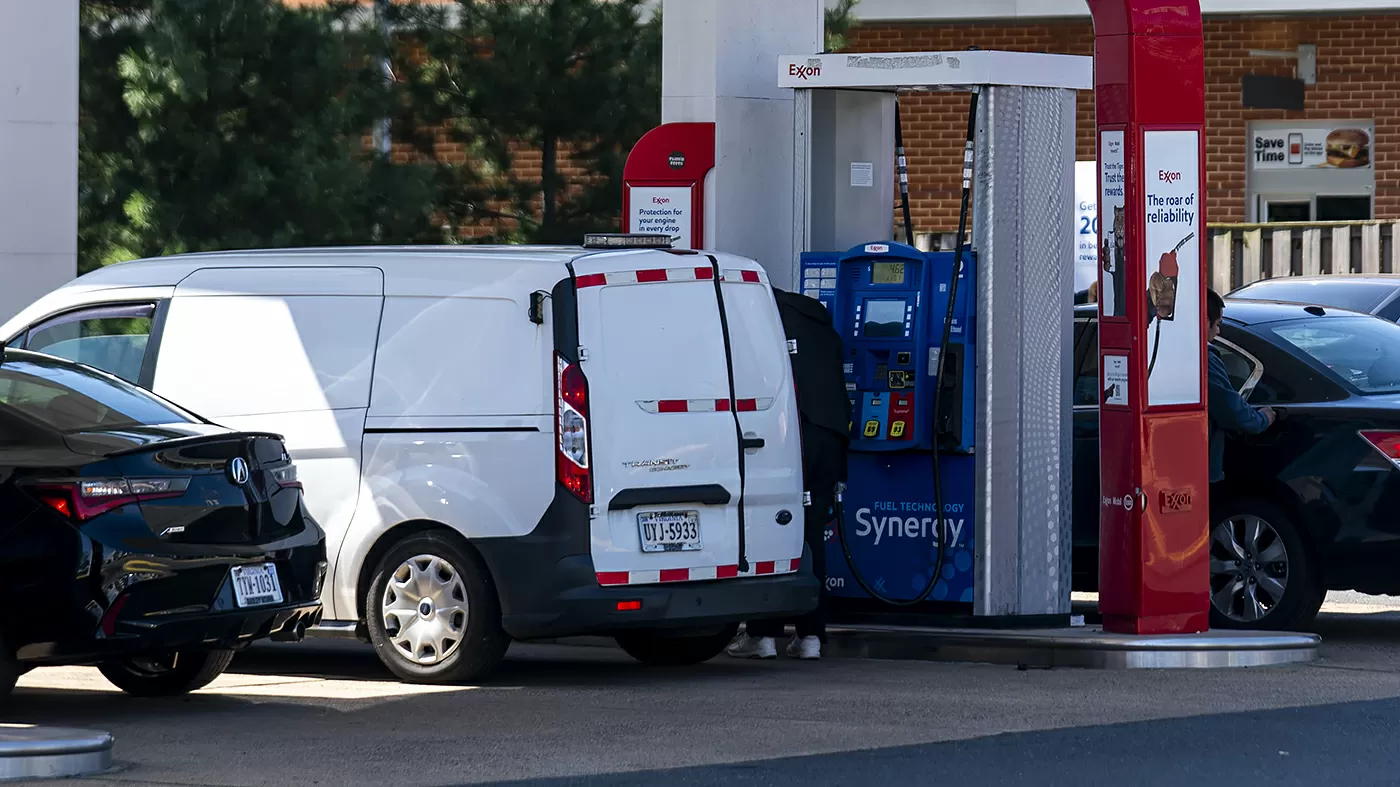
This week, the world has witnessed a significant drop in oil prices following the ceasefire between the United States and Iran. This news has brought a sense of relief for consumers who have been struggling with high fuel prices for quite some time now. The question on everyone’s mind is, will this drop in oil prices be sustained in the long term?
Experts believe that the answer to this question lies in the hands of Iran. While the current truce may bring some temporary respite for consumers at the pump, the future of oil prices will largely depend on Iran’s stance on the Strait of Hormuz – a key oil choke point.
For those who may not be aware, the Strait of Hormuz is a narrow waterway that connects the Persian Gulf to the Arabian Sea. This strategic passage is crucial for the global oil trade as it is responsible for around 30% of the world’s oil supply. Any disruption in the flow of oil through this route can have a significant impact on the global economy.
Iran, being one of the largest oil-producing countries in the world, holds a significant amount of leverage over the Strait of Hormuz. In the past, they have threatened to block this passage in response to economic sanctions imposed by the United States. This has caused major fluctuations in oil prices and has put a strain on the global economy.
With the recent ceasefire, there is hope that Iran will not resort to such extreme measures and will continue to allow the smooth flow of oil through the Strait of Hormuz. However, analysts believe that in the long term, Iran may not be willing to give up this leverage.
One of the reasons for this is the current state of the Iranian economy. The country has been struggling with economic sanctions and a struggling currency, and their oil exports have been significantly reduced. The Strait of Hormuz is one of their main sources of revenue, and giving up control over it would mean losing a significant amount of power and influence.
Moreover, Iran has also been facing internal political turmoil, with protests erupting across the country due to economic hardships. In such a situation, giving up their control over the Strait of Hormuz would be seen as a sign of weakness by the Iranian government. They may not be willing to take such a risk, especially when their economy is already under pressure.
On the other hand, the United States has been pushing for a reduction in global oil prices, and Iran’s control over the Strait of Hormuz has been a major hindrance in achieving this goal. With the recent ceasefire, there is hope that the US and Iran can come to a long-term agreement, which would benefit both parties. However, this remains to be seen.
In the meantime, consumers can enjoy the temporary relief in oil prices. This drop in prices can also have a positive impact on the global economy, as it can lead to an increase in consumer spending and a boost in economic growth.
In conclusion, the drop in oil prices following the Iran war ceasefire is a positive development for consumers and the global economy. However, the long-term sustainability of this drop will largely depend on Iran’s stance on the Strait of Hormuz. Only time will tell if Iran is willing to give up its leverage over this crucial oil choke point. For now, let us hope for a peaceful resolution and a sustained drop in oil prices.

