
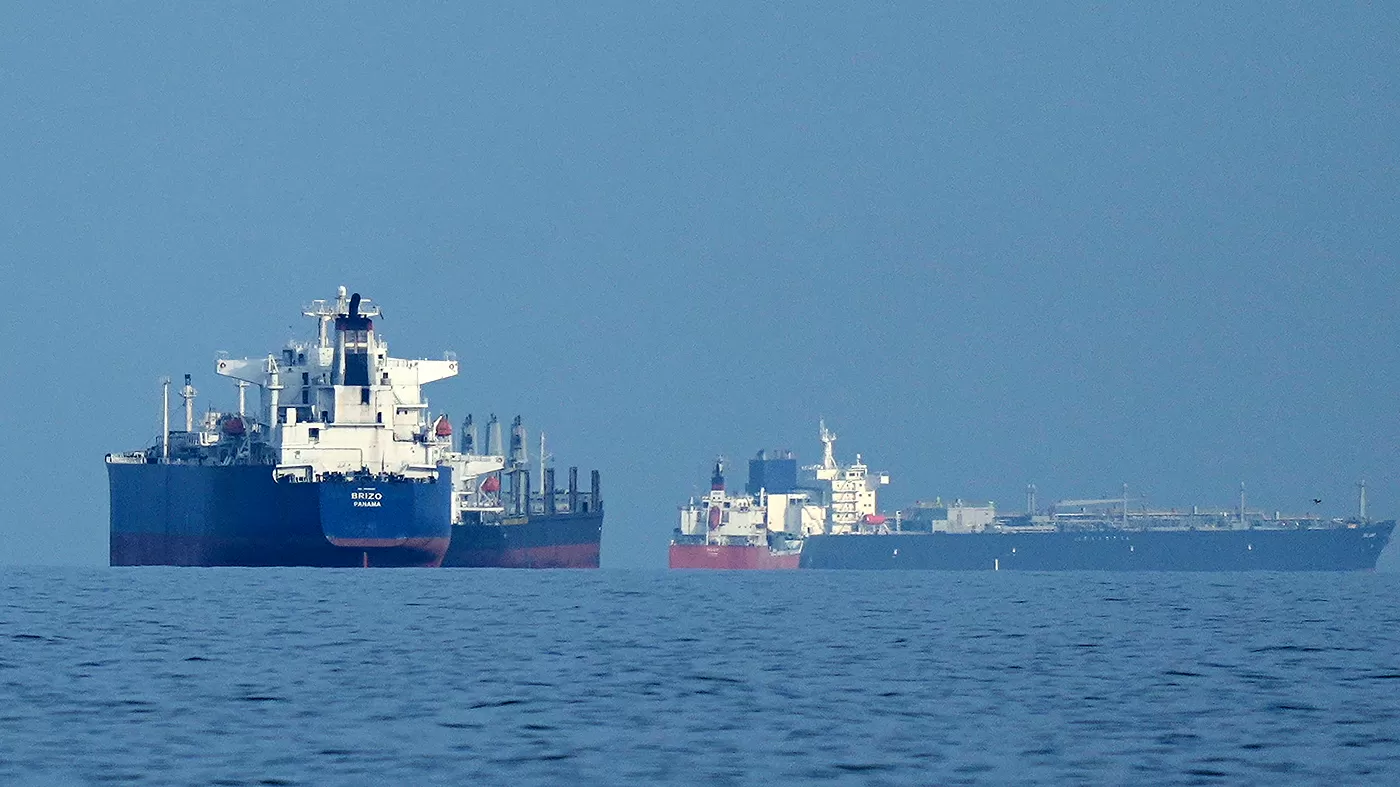
On Monday, President Donald Trump’s new initiative, known as the blockade in the Strait of Hormuz, took effect as talks between the United States and Iran failed over the weekend. The US military will now be blocking Iranian ports and stopping ships from entering the vital waterway, in an effort to increase pressure on Iran and its leaders.
The blockade, which officially began at 10 a.m. on Monday, comes after 21 hours of peace talks in Pakistan ended with no resolution. This decision by the Trump administration highlights the increasing tension between the two nations and their ongoing conflict regarding Iran’s nuclear program.
The Strait of Hormuz, located between Iran and Oman, is a crucial waterway for global oil transportation, with nearly one third of the world’s oil passing through its narrow channel. Any disruption in this area could have significant consequences on the world’s economy and energy supply.
Despite attempts at peaceful negotiations, Iran’s actions have proven to be a cause for concern for the international community. The country has been accused of sponsoring terrorist activities and defying international agreements, including the 2015 nuclear deal that was negotiated by the Obama administration.
In light of these events, President Trump has taken a strong stance against Iran, imposing harsh economic sanctions and withdrawing from the nuclear deal. The new blockade is seen as yet another measure to pressure Iran into changing its behavior and coming back to the negotiating table.
However, the decision has been met with mixed reactions from both domestic and international actors. Some view it as a necessary step in dealing with Iran’s aggressiveness, while others fear it may escalate into an all-out military conflict.
Despite the varying perspectives, there is an underlying consensus that the blockade is a display of America’s strength and determination to protect its interests and those of its allies. It also serves as a warning to Iran that the United States will not tolerate any further disregard for international norms and agreements.
In addition to its strategic and political significance, the blockade also has implications for the safety of the region. The US military has assured that the blockade will be conducted in a professional and safe manner, with the utmost consideration for civilian vessels in the area.
As the blockade goes into effect, it is essential for both sides to continue seeking peaceful solutions and maintaining open lines of communication. Diplomacy and dialogue should remain at the forefront of efforts to resolve the ongoing tension between the two nations.
Furthermore, it is crucial for the international community to support these efforts and work towards de-escalating the situation. As the saying goes, “no one wins in a war.” It is in everyone’s best interest to find a peaceful resolution to the conflict.
In conclusion, President Trump’s new blockade in the Strait of Hormuz is a bold move that highlights America’s unwavering commitment to ensuring the safety and security of its citizens and allies. While the decision has received some criticism, it also serves as a reminder that the United States will not back down when it comes to protecting its interests. Let us hope that this blockade will pave the way for productive discussions and ultimately lead to a resolution of the ongoing conflict between the United States and Iran.

