
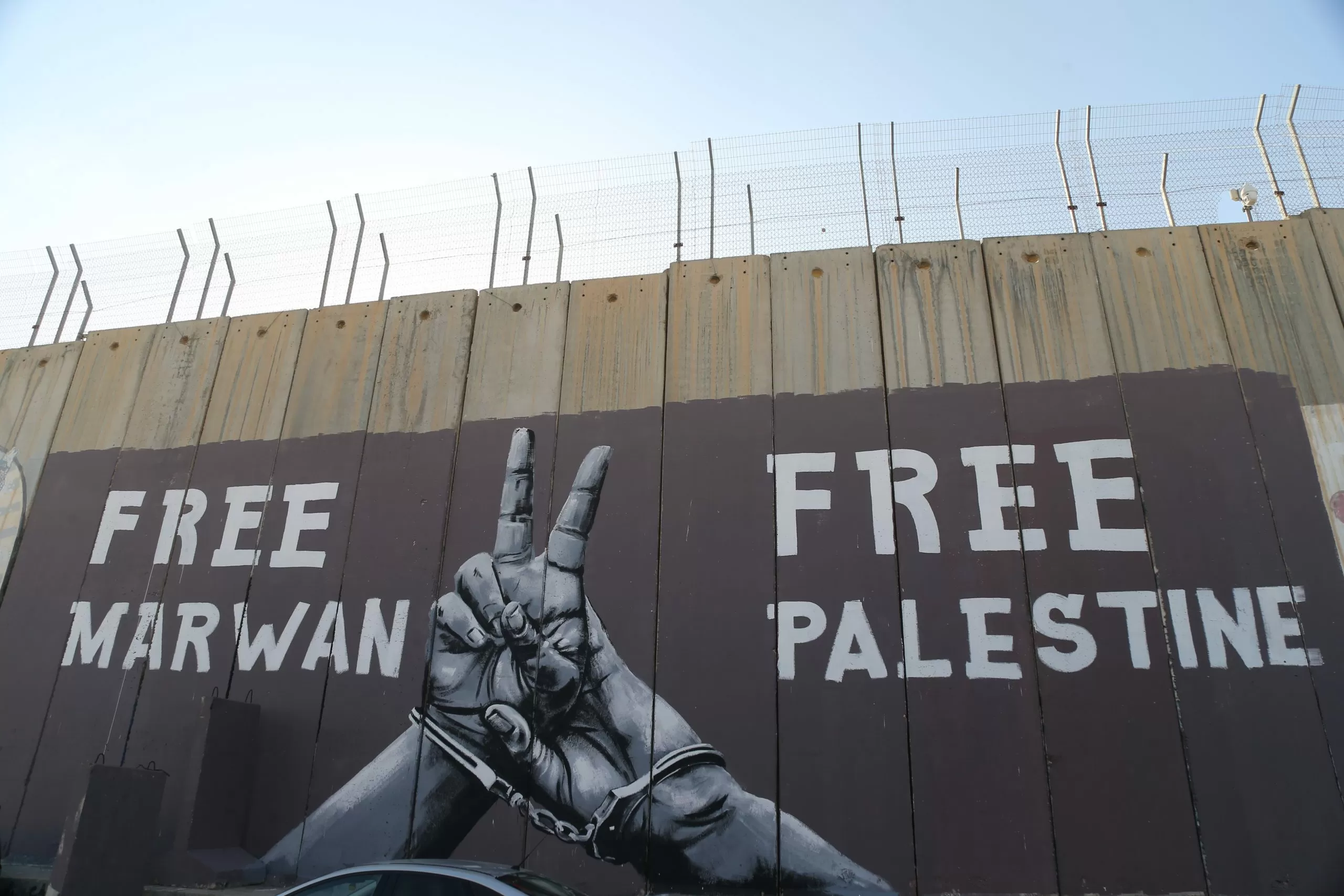
In recent years, the Israeli-Palestinian conflict has been a topic of intense debate and discussion. One of the most controversial issues surrounding this conflict is the unequal treatment of Israeli Jews and Palestinian Arabs under the law. It is a sad reality that there is one law for Israeli Jews and another law for Palestinian Arabs in the state of Israel.
This unequal treatment is evident in various aspects of daily life, from access to basic services to the judicial system. Israeli Jews enjoy privileges and rights that are denied to Palestinian Arabs, creating a stark contrast between the two communities.
One of the most glaring examples of this double standard is in the allocation of land and housing. Israeli Jews have access to a vast majority of land and housing, while Palestinian Arabs are often forced to live in overcrowded and impoverished areas. This is due to discriminatory policies that favor Israeli Jews and restrict the growth and development of Palestinian communities.
Moreover, Israeli Jews have access to better education, healthcare, and job opportunities, while Palestinian Arabs face numerous barriers and restrictions in these areas. This creates a cycle of poverty and marginalization for Palestinian Arabs, who are denied the same opportunities for advancement and success as their Israeli counterparts.
The unequal treatment is also evident in the legal system. Israeli Jews are subject to Israeli civil law, while Palestinian Arabs are subject to Israeli military law. This means that Palestinian Arabs are often tried in military courts, where they are denied basic rights such as the right to a fair trial and the right to legal representation. This has led to a high conviction rate for Palestinian Arabs, with many facing long prison sentences for minor offenses.
Furthermore, Israeli Jews are granted citizenship and full rights in Israel, while Palestinian Arabs living in the occupied territories are denied citizenship and are subject to strict residency laws. This creates a situation where Palestinian Arabs are treated as second-class citizens in their own land, while Israeli Jews enjoy all the benefits of citizenship.
The unequal treatment of Israeli Jews and Palestinian Arabs is not only a violation of human rights but also a hindrance to any efforts towards peace and reconciliation. It perpetuates a sense of injustice and inequality, fueling resentment and animosity between the two communities.
It is time for the Israeli government to acknowledge and address this issue. The state of Israel must ensure equal rights and opportunities for all its citizens, regardless of their ethnicity or religion. This includes ending discriminatory policies and practices that favor Israeli Jews over Palestinian Arabs.
The international community also has a role to play in holding Israel accountable for its treatment of Palestinian Arabs. The United Nations and other international organizations must put pressure on Israel to abide by international law and ensure equal treatment for all its citizens.
In conclusion, the unequal treatment of Israeli Jews and Palestinian Arabs under the law is a grave injustice that must be addressed. It is time for the state of Israel to live up to its democratic values and ensure equal rights and opportunities for all its citizens. Only then can we hope for a just and lasting peace in the region.

