
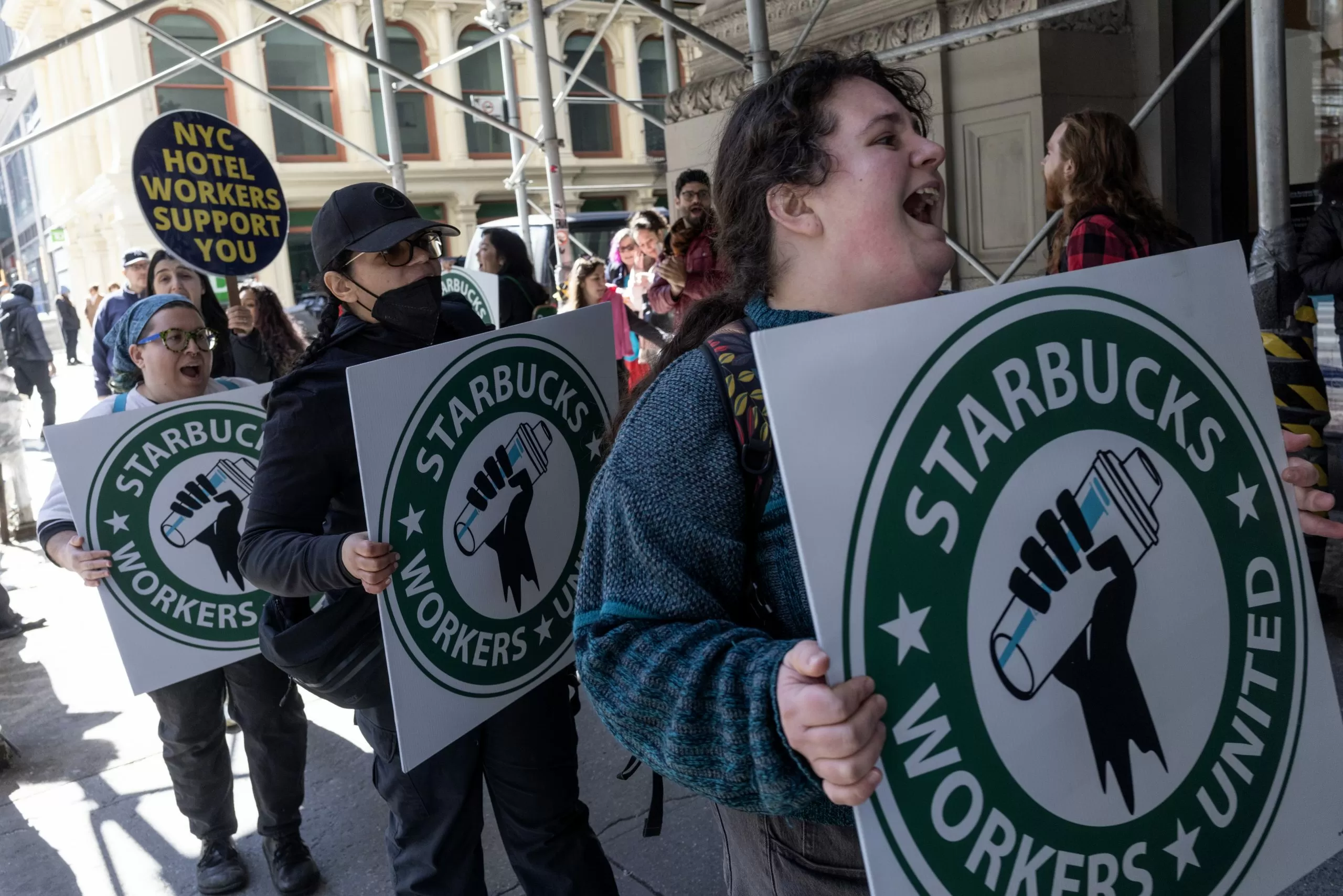
Less than 10% of American workers are currently unionized, marking a significant decline in the labor movement over the past few decades. This trend is alarming, as unions play a crucial role in protecting workers’ rights and ensuring fair wages and working conditions. To reverse this decline and bring millions of new workers into the labor movement, it is imperative for unions to embrace the worker-to-worker organizing model.
The worker-to-worker organizing model is a grassroots approach that relies on building relationships and solidarity among workers in a particular industry or workplace. It involves workers reaching out to their colleagues and educating them about the benefits of unionization, ultimately leading to collective action and bargaining with employers.
This model has proven to be successful in various industries, such as healthcare, hospitality, and education. For instance, in 2018, 20,000 teachers in West Virginia went on strike, demanding better pay and benefits. The strike was organized and led by teachers themselves, using the worker-to-worker organizing model. Their efforts resulted in a 5% pay raise for all state employees and a freeze on healthcare premiums.
One of the key advantages of the worker-to-worker organizing model is that it empowers workers to take charge of their own labor rights. It creates a sense of ownership and responsibility among workers, leading to a stronger and more united workforce. This model also allows for a more personalized and targeted approach to organizing, as workers are more likely to trust and engage with their colleagues rather than outside organizers.
Moreover, the worker-to-worker organizing model is cost-effective for unions. Traditional methods of organizing, such as hiring professional organizers or relying on legal strategies, can be expensive and time-consuming. In contrast, the worker-to-worker approach relies on the dedication and efforts of workers themselves, reducing the financial burden on unions.
Additionally, embracing this model can help unions reach out to a more diverse group of workers. Currently, union membership is predominantly male and white, but the worker-to-worker approach can help bridge this gap by reaching out to workers of different genders, races, and backgrounds. This inclusivity can strengthen the labor movement and make it more representative of the entire workforce.
However, implementing the worker-to-worker organizing model requires a shift in mindset and strategy for unions. Instead of solely focusing on signing up new members, unions need to invest time and resources in training and educating workers on how to organize and advocate for their rights. This may require unions to reallocate their resources and prioritize long-term growth over short-term gains.
Moreover, unions need to adapt to the changing nature of work and the workforce. With the rise of the gig economy and remote work, traditional methods of organizing may not be as effective. The worker-to-worker model, with its emphasis on building relationships and solidarity, can be more adaptable to these modern work arrangements.
Unions also need to leverage technology and social media to reach out to workers and facilitate communication and organizing efforts. This can help bridge the gap between workers in different locations and make organizing more accessible and efficient.
In conclusion, the worker-to-worker organizing model holds immense potential for revitalizing the labor movement in the United States. By empowering workers, creating a more diverse and inclusive union membership, and adapting to the changing nature of work, unions can reverse decades of decline and bring millions of new workers into the labor movement. It is time for unions to embrace this model and work towards a stronger and more united workforce. As the saying goes, “united we stand, divided we fall.” Let us come together and build a better future for all American workers.

