
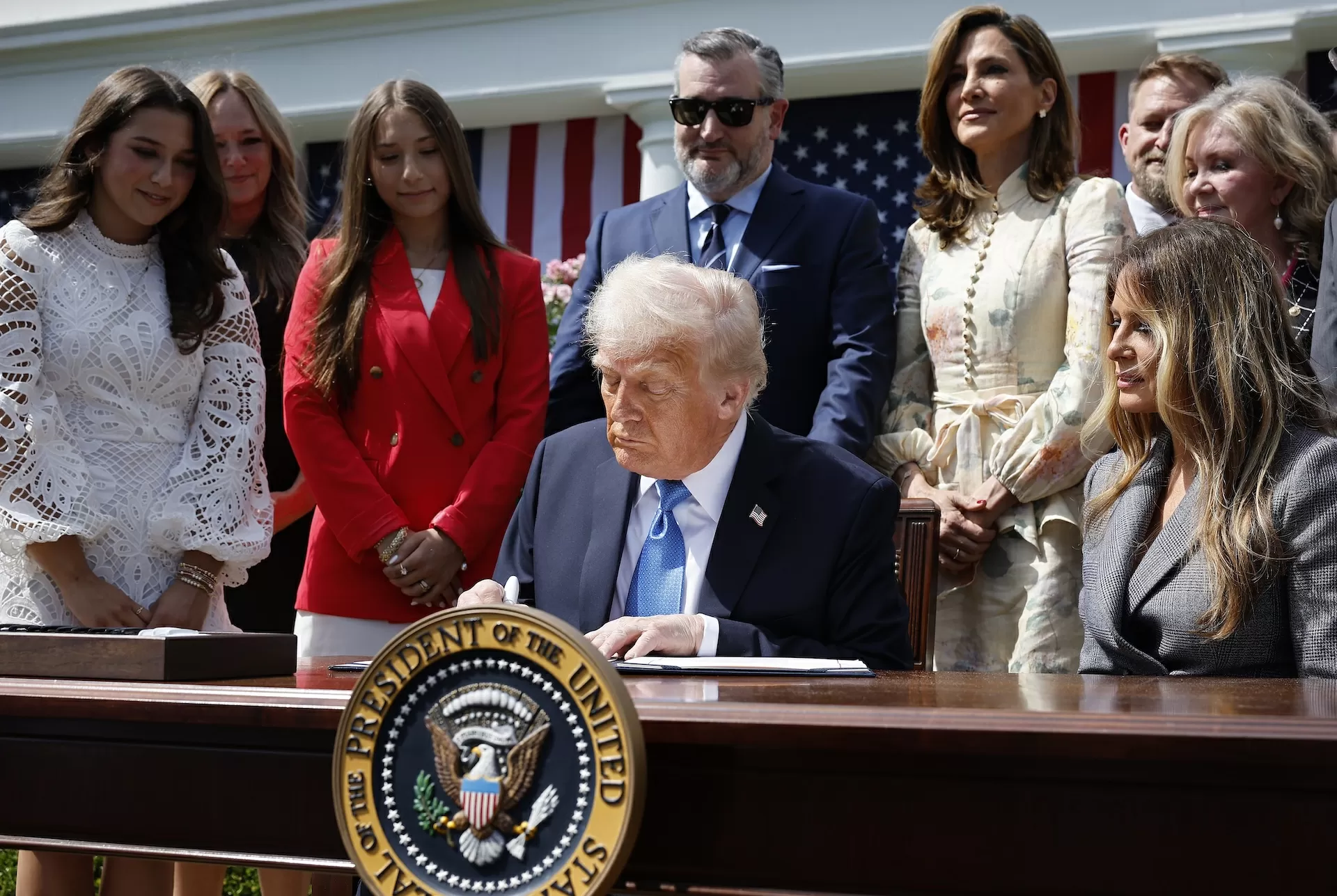
The newly signed Take It Down Act has been making headlines since its announcement. This groundbreaking legislation aims to protect victims of nonconsensual explicit images by making it illegal to publish such images, whether they are real or AI-generated. The act also puts pressure on online platforms to swiftly comply with a victim’s takedown request within 48 hours, or face liability. While this act has been widely praised as a long-overdue win for victims, experts warn that its vague language, lax standards for verifying claims, and tight compliance window could have unintended consequences.
The Take It Down Act is a significant step towards addressing the growing issue of nonconsensual explicit images being shared online without the victim’s consent. This act recognizes the harm caused by such images and holds those responsible accountable for their actions. It also provides a sense of justice for the victims, who have long been ignored and silenced.
One of the key features of the Take It Down Act is its strict timeline for compliance. Online platforms are given just 48 hours to remove the nonconsensual explicit images upon receiving a takedown request from the victim. This is a crucial aspect of the act as it ensures that the images are taken down swiftly, minimizing the damage caused to the victim. However, some experts have raised concerns about this short window, stating that it may not be enough time for platforms to thoroughly investigate the validity of the takedown request.
Moreover, the act’s language has also been a topic of debate among experts. While it clearly states that nonconsensual explicit images are illegal, the definition of what constitutes as such images is not clearly defined. This could potentially lead to overreach and censorship of legitimate content. It is essential for the language of the act to be precise and specific to avoid any misinterpretation and misuse.
Another concern raised by experts is the lax standards for verifying claims. The act does not specify the level of evidence required to prove that an image is nonconsensual. This could open the door for false claims and malicious takedown requests, leading to the removal of legitimate content. It is crucial for platforms to have a robust system in place to verify the authenticity of takedown requests to prevent any abuse of the act.
Furthermore, the Take It Down Act has also been criticized for its potential to pave the way for surveillance. With the act requiring online platforms to comply with takedown requests within 48 hours, it puts immense pressure on them to monitor and remove content quickly. This could lead to increased surveillance and censorship of online content, which goes against the principles of free speech and privacy.
Despite these concerns, the Take It Down Act is a significant step towards protecting victims of nonconsensual explicit images. It sends a strong message that such actions will not be tolerated, and those responsible will face consequences. It also puts the onus on online platforms to take responsibility for the content shared on their platforms and act swiftly to remove harmful content.
In addition to the legal implications, the Take It Down Act also aims to raise awareness about the issue of nonconsensual explicit images. It encourages victims to come forward and seek justice, knowing that their voices will be heard and their rights protected. It also serves as a deterrent for those who may consider sharing such images in the future.
In conclusion, the Take It Down Act is a crucial step towards addressing the issue of nonconsensual explicit images. While it has been widely praised for its efforts to protect victims, it is essential to address the concerns raised by experts and ensure that the act is not misused. With proper implementation and monitoring, the Take It Down Act has the potential to bring about positive change and protect the rights and dignity of individuals.

