
NASA and ISRO, two of the world’s leading space agencies, are once again joining forces to push the boundaries of space exploration. This time, they are embarking on a groundbreaking mission that will not only advance our understanding of the universe, but also pave the way for future space missions. The Axiom Mission 4, set to launch on June 10, will carry a series of innovative biological and technological experiments that will revolutionize our understanding of space and its effects on living organisms.
The Axiom Mission 4 is a collaborative effort between NASA and ISRO, with the aim of conducting a wide range of experiments in microgravity conditions. These experiments will focus on various aspects of biology and technology, and will provide valuable insights into the effects of space on living organisms and electronic devices.
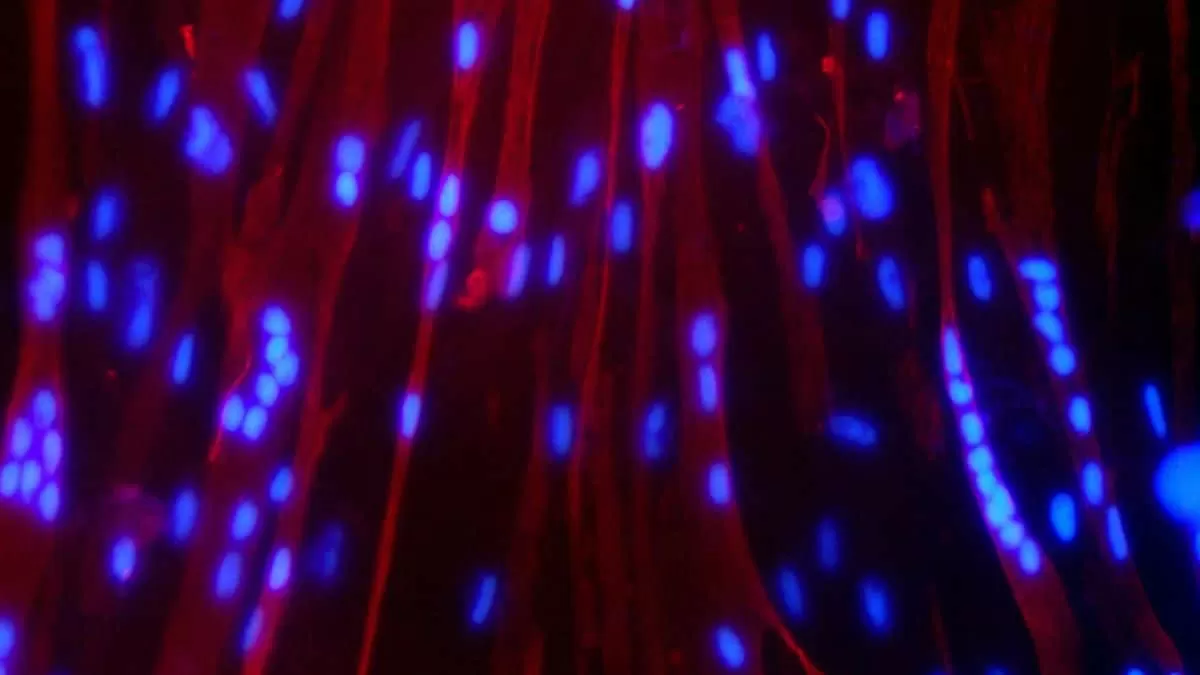
One of the key areas of focus for the Axiom Mission 4 is muscle cell health. The microgravity environment of space can have a significant impact on the human body, particularly on muscle cells. Through this mission, NASA and ISRO aim to gain a better understanding of how microgravity affects muscle cells and how they can be protected during long-term space missions. This research will not only benefit astronauts, but also have implications for people on Earth who suffer from muscle-related conditions.
Another important experiment on board the Axiom Mission 4 is seed germination. This experiment will study the growth and development of seeds in microgravity conditions, providing valuable insights into how plants can adapt and thrive in space. This research will be crucial for future space missions that aim to grow food in space, reducing the need for constant resupply missions and making long-term space travel more sustainable.
The Axiom Mission 4 will also explore the growth of algae in space. Algae are known for their ability to thrive in extreme environments, and this experiment will study how they adapt to the microgravity conditions of space. This research could have significant implications for future space missions, as algae could potentially be used to produce oxygen and food for astronauts.
One of the most exciting experiments on board the Axiom Mission 4 is the study of tardigrades in space. Tardigrades, also known as water bears, are known for their ability to survive in extreme conditions, including the vacuum of space. This experiment will provide valuable insights into the resilience of these tiny creatures and their potential for survival in space. It could also lead to the development of new technologies that mimic the tardigrades’ ability to withstand harsh environments.
In addition to these biological experiments, the Axiom Mission 4 will also study the interaction between astronauts and electronic displays. With the increasing use of technology in space, it is important to understand how the microgravity environment affects electronic devices and how astronauts can effectively use them in space. This research will not only benefit future space missions, but also have implications for the development of new technologies on Earth.
The microgravity experiments on board the Axiom Mission 4 are a testament to the collaborative efforts of NASA and ISRO. By combining their expertise and resources, these two space agencies are pushing the boundaries of space exploration and paving the way for future missions. The results of these experiments will not only advance our understanding of space, but also have practical applications for life on Earth.
The Axiom Mission 4 is a significant step towards achieving the ultimate goal of human space exploration – to send humans to Mars. By conducting these experiments and gaining a better understanding of the effects of space on living organisms and technology, NASA and ISRO are laying the foundation for future missions to the Red Planet.
The launch of the Axiom Mission 4 is a testament to the determination and dedication of the scientists and engineers at NASA and ISRO. It is a reminder of the incredible potential of human collaboration and the power of science and technology to push the boundaries of what is possible. As we eagerly await the June 10 liftoff, let us celebrate this remarkable achievement and look forward to the groundbreaking discoveries that await us.

