
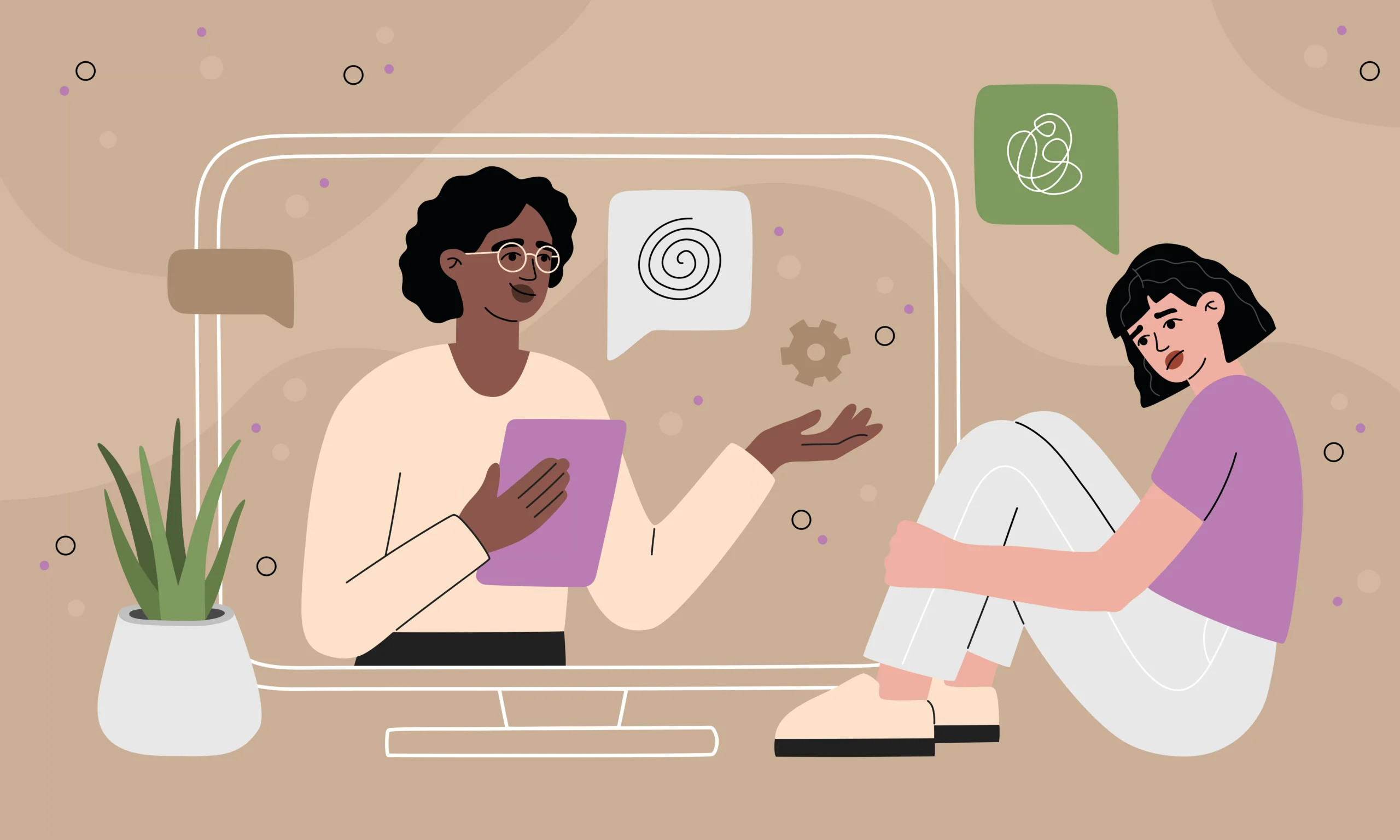
Therapy chatbots are becoming increasingly popular in the world of mental health as a convenient and easily accessible way for individuals to seek support and guidance. Powered by large language models, these chatbots use artificial intelligence to simulate human conversation and provide users with therapy-like responses. However, recent research from Stanford University has raised concerns that these therapy chatbots may have adverse effects on users with mental health conditions and could potentially respond inappropriately or even dangerously.
According to the researchers at Stanford, therapy chatbots may stigmatize users with mental health conditions. This is due to the fact that these chatbots are often programmed to use language that may reinforce negative stereotypes and perpetuate societal biases. For example, a chatbot may respond to a user’s expression of anxiety with statements like “don’t worry, it’s all in your head” or “just cheer up, it’s not that bad.” These types of responses can be harmful and dismissive, further contributing to the stigma surrounding mental health.
Moreover, therapy chatbots may not be equipped to handle serious or urgent mental health issues. In the case of a user expressing suicidal thoughts or experiencing a mental health crisis, a chatbot may respond with automated messages that could potentially be life-threatening. This is because these chatbots are unable to provide appropriate and timely support and may not be able to identify when a user is in need of immediate help.
The researchers at Stanford also found that therapy chatbots often lack cultural sensitivity and may respond in ways that are not culturally appropriate for their users. This is a concern for individuals from diverse backgrounds who may already face challenges in finding culturally competent mental health services. Chatbots may use language and references that are unfamiliar and may not fully understand the cultural contexts in which their users are expressing their mental health concerns.
Furthermore, therapy chatbots may not be able to provide the same level of empathy and understanding that a trained therapist can. While these chatbots are designed to simulate human conversation, they do not possess emotions and cannot fully understand the complexities of human experience. This could lead to users feeling invalidated or misunderstood in their mental health journey, which can have negative consequences on their well-being.
So, what does this mean for the future of therapy chatbots? Should we completely dismiss them as a form of mental health support? The answer is not a simple yes or no. Therapy chatbots do have the potential to be a helpful tool for individuals seeking support, especially in areas where access to traditional therapy is limited. However, there needs to be more consideration and caution in the development and use of these chatbots.
Firstly, chatbot developers must ensure that their programs are sensitive to the complexities of mental health and avoid perpetuating harmful stereotypes. This can be achieved through the use of diverse and inclusive language models and regularly incorporating feedback from mental health professionals and individuals with lived experience.
Secondly, chatbots should not be seen as a substitute for traditional therapy but rather an additional resource. Mental health is a complex and individualized journey, and therapy chatbots may not be able to provide the same level of personalized support that a therapist can. Therefore, it is important that users are aware of the limitations of chatbots and are encouraged to seek professional help when needed.
Lastly, there needs to be more transparency and accountability in the use of therapy chatbots. Users should have access to information on the chatbot’s capabilities and limitations, as well as the developer’s ethical standards and measures for addressing potential risks. This will help to establish trust between users and chatbots and promote responsible use of this technology.
In conclusion, while therapy chatbots have the potential to be a valuable tool in the world of mental health, we must recognize and address the potential risks they pose. The research from Stanford University serves as a reminder that the development and use of technology in mental health must be approached with caution and a deep understanding of the complexities of human experience. Only then can we create a more inclusive and supportive environment for individuals seeking help for their mental health.

