
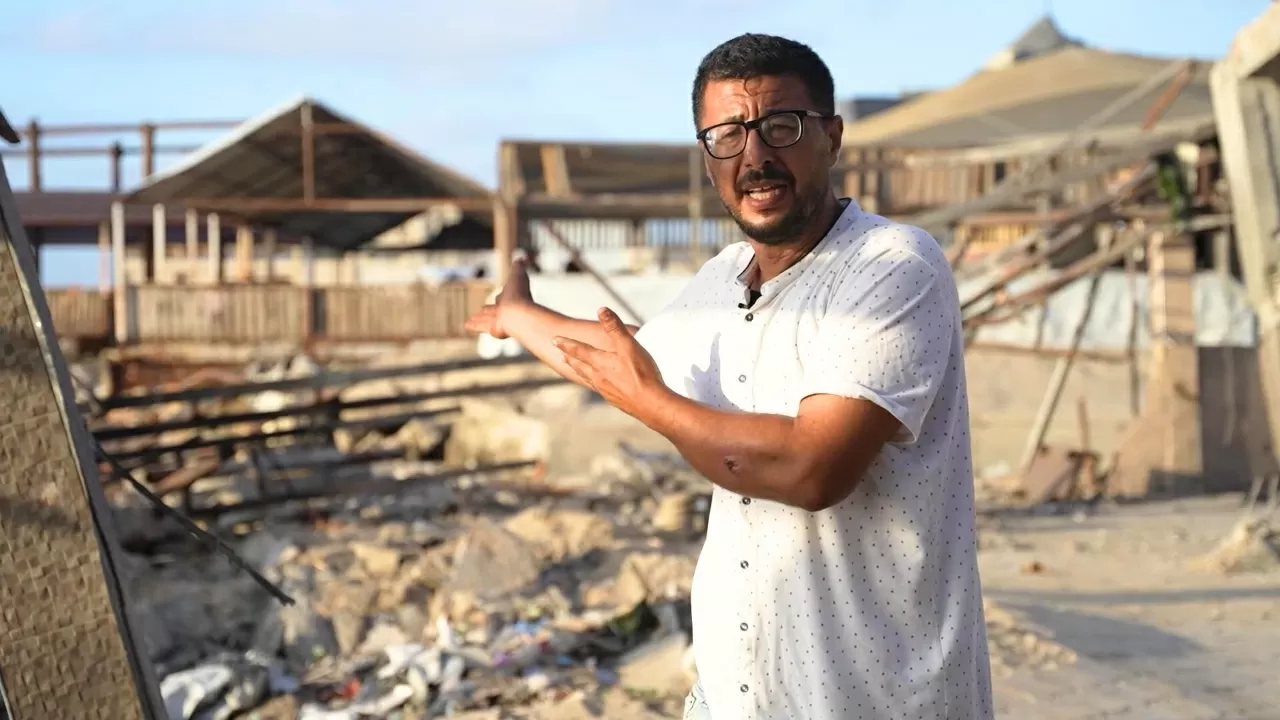
The devastating effects of war are often felt long after the last bullet has been fired and the last bomb has been dropped. The physical destruction of cities and towns can be rebuilt, but the emotional and psychological toll it takes on individuals and communities is much harder to repair. This is especially true for those who have experienced war firsthand, who have lost not only their homes but also their sense of self and their hopes for the future.
“We didn’t just lose the place, we lost our souls in this war.” These poignant words, spoken by a survivor of war, capture the profound impact of conflict on the human spirit. When war ravages a country, it not only destroys buildings and infrastructure, but it also shatters the very fabric of society. Families are torn apart, communities are fractured, and individuals are left to pick up the pieces of their shattered lives.
For those who have lived through war, the loss is immeasurable. It goes beyond the physical destruction of their homes and belongings. It is the loss of their sense of security, their sense of belonging, and their sense of self. War strips people of their identity and leaves them feeling lost and broken.
But perhaps the most heartbreaking loss is that of the children. Innocent and vulnerable, they are the ones who suffer the most in times of war. They are forced to witness unspeakable acts of violence, and many are left orphaned or displaced. Their childhoods are stolen from them, and their future is uncertain. As one survivor put it, “Our children’s future is gone.”
In war-torn countries, education is often one of the first casualties. Schools are destroyed, teachers are killed or forced to flee, and children are left without access to education. This not only robs them of the opportunity to learn and grow but also deprives them of a sense of normalcy and stability in the midst of chaos.
The loss of education also has far-reaching consequences for the future of these children. Without an education, they are denied the chance to break the cycle of poverty and build a better life for themselves and their families. As a result, an entire generation is at risk of being lost to the ravages of war.
But it’s not just the physical and emotional losses that are felt in times of war. It’s the loss of hope, of dreams, and of the belief that things will ever get better. As another survivor said, “The place can be rebuilt, but what’s inside us will never go back to how it was.” The scars of war run deep, and they can never truly be erased.
However, amidst the devastation and despair, there is still hope. Despite the losses, the survivors of war are resilient and determined to rebuild their lives and their communities. They refuse to let the war define them and are determined to rise above it.
In the face of such adversity, it is heartening to see the strength and courage of the human spirit. People come together to support one another, to rebuild what was destroyed, and to create a better future for themselves and their children. It is this resilience and determination that gives hope for a brighter tomorrow.
As we reflect on the words of those who have lived through war, we are reminded of the true cost of conflict. It is not just the physical destruction, but also the loss of human life, dignity, and hope. But let us also remember that in the face of such loss, there is still hope. The human spirit is indomitable, and it will always find a way to rise above the ashes and rebuild what was lost.
Let us stand in solidarity with those who have lost so much in war and support them in their journey towards healing and rebuilding. And let us never forget that the true measure of a society is not in its buildings or material possessions, but in the strength and resilience of its people.

