
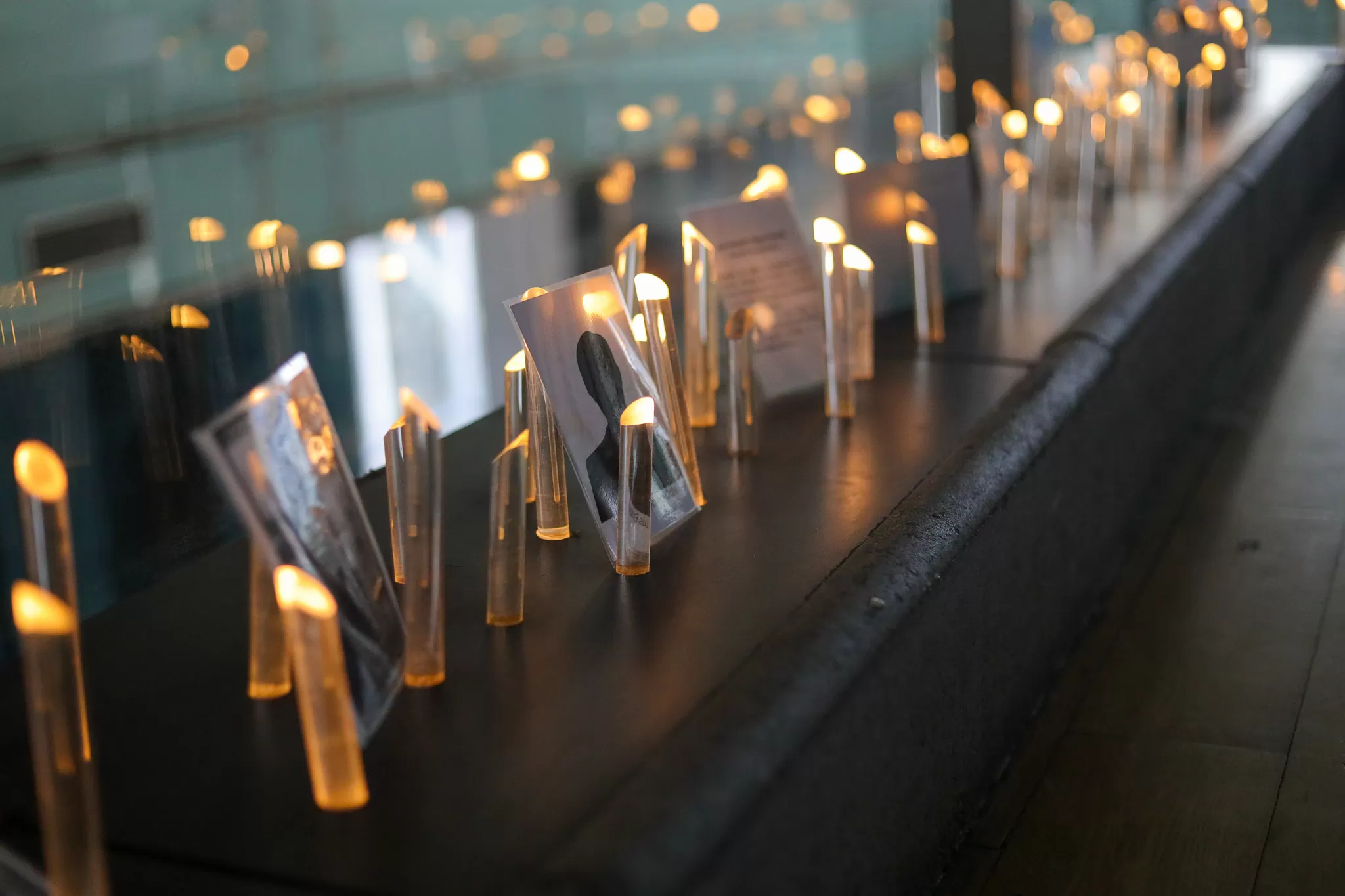
This is a bonus episode of Stories of Resistance, and today we are commemorating the brave individuals who stood up against the oppressive regime of Augusto Pinochet in Chile. Their stories of courage, resilience, and determination serve as a reminder of the power of resistance and the human spirit.
For those who may not be familiar, Augusto Pinochet was a military dictator who ruled Chile from 1973 to 1990. During his regime, thousands of people were tortured, disappeared, and killed for their political beliefs. Pinochet’s dictatorship was marked by violence, censorship, and human rights violations, but it was also met with fierce resistance from the people of Chile.
The resistance to Pinochet’s dictatorship was not limited to one group or one form of protest. It was a collective effort by students, workers, women, and indigenous communities who refused to be silenced and fought for their rights and freedom. Their resistance took many forms, from peaceful demonstrations and strikes to armed struggle and underground activism.
One of the most iconic symbols of resistance during Pinochet’s dictatorship was the “cacerolazo,” a form of protest where people would bang pots and pans to make noise and show their opposition to the regime. This simple act of defiance became a powerful symbol of unity and resistance, and it spread throughout the country, even in the face of violent repression.
But the resistance to Pinochet’s dictatorship was not just about protests and demonstrations. It was also about preserving and sharing the truth. Despite censorship and propaganda, brave journalists, writers, and artists risked their lives to document and expose the atrocities committed by the regime. Their work served as a powerful tool to inform and mobilize the public, and it continues to be a vital part of the collective memory of Chile.
The resistance to Pinochet’s dictatorship also had a strong international component. Many Chileans fled the country and sought refuge in other countries, where they continued to denounce the regime and advocate for democracy. The solidarity and support from the international community played a crucial role in putting pressure on Pinochet’s regime and ultimately bringing an end to his dictatorship.
Today, we remember and honor the brave individuals who stood up against Pinochet’s dictatorship. Their stories of resistance are a testament to the strength and resilience of the human spirit. They remind us that even in the darkest of times, there is always hope and the possibility for change.
But the fight for justice and democracy did not end with the fall of Pinochet’s regime. The legacy of the resistance lives on in the ongoing struggles for social and political change in Chile. The voices of the people who fought against Pinochet’s dictatorship continue to inspire and guide the current generations in their fight for a more just and equal society.
As we commemorate the resistance to Pinochet’s dictatorship, let us also remember the importance of standing up against oppression and injustice. Let us be inspired by the courage and determination of those who came before us and continue to fight for a better world. Their stories of resistance serve as a reminder that change is possible, and it starts with each and every one of us.
In the words of Chilean poet and activist, Pablo Neruda, “You can cut all the flowers, but you cannot keep spring from coming.” The resistance to Pinochet’s dictatorship was a spring of hope and change, and it continues to bloom in the hearts and minds of the people of Chile. Let us never forget the sacrifices and struggles of those who came before us and continue to honor their legacy by standing up for what is right and just.

