
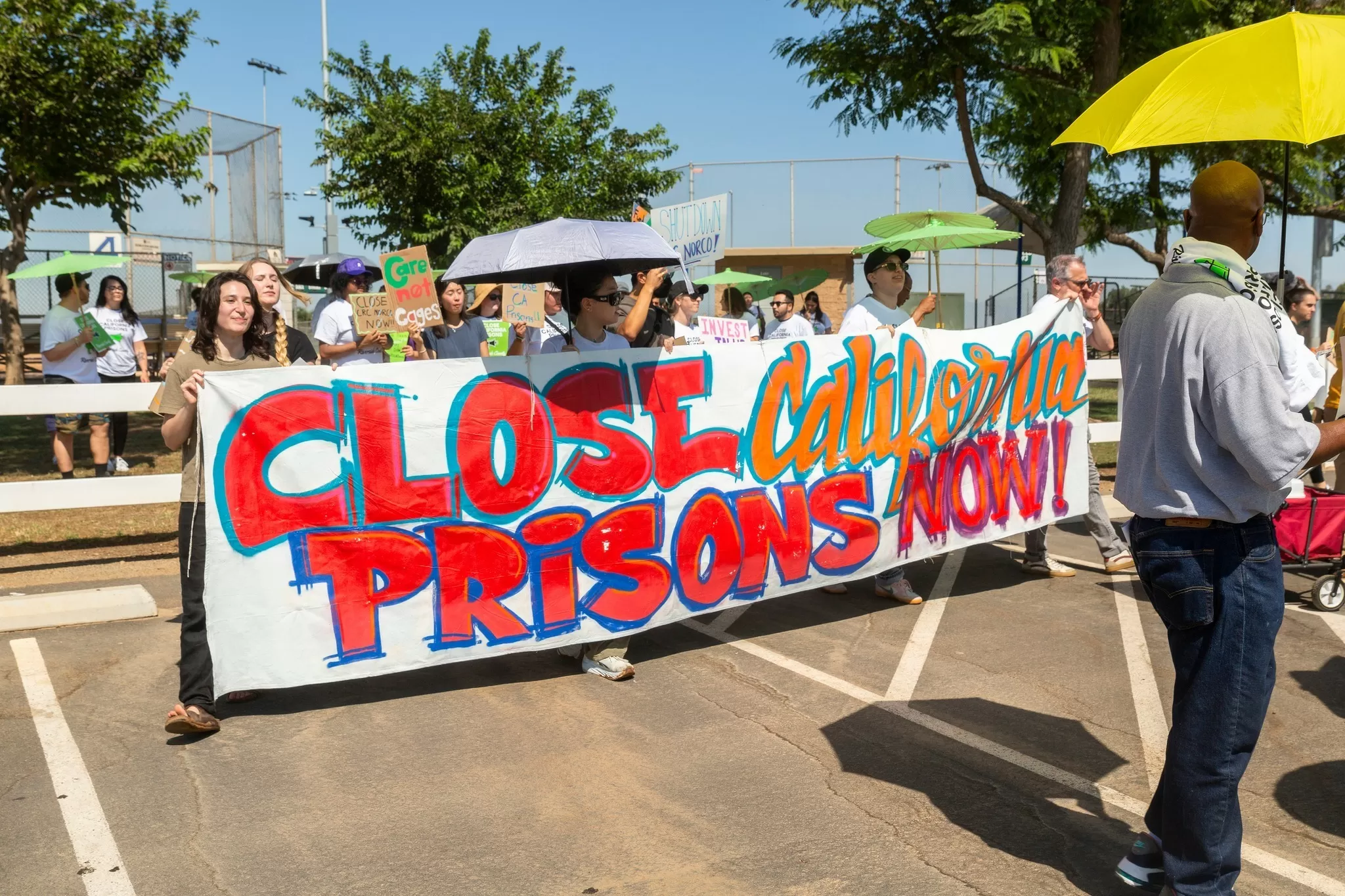
In recent years, there has been a growing movement to address the issue of mass incarceration and the detrimental effects of prisons on both individuals and communities. This movement has gained momentum with the call to not only close prisons permanently, but also to transform the conditions of these institutions and give back the land to local communities. This bold and progressive idea has sparked hope and inspiration for a better future, not only for those who have been directly impacted by the prison system, but for society as a whole.
The call for permanent closure of prisons is not a new concept, but the added emphasis on transforming the conditions of these facilities and detoxifying the land is a crucial step towards true justice and healing. Prisons have long been seen as a necessary evil, a place to lock away those who have committed crimes and keep them away from society. However, the reality is that prisons have become a breeding ground for violence, abuse, and trauma. The inhumane conditions, lack of rehabilitation programs, and overpopulation have created a toxic environment that does more harm than good.
By closing prisons permanently, we are taking a stand against the flawed and ineffective system of mass incarceration. We are acknowledging that locking people up and throwing away the key is not the solution to crime and that there are better, more humane ways to address issues of safety and justice. But simply closing prisons is not enough. We must also address the damage that has been done to the land and the communities surrounding these institutions.
Prisons are often built on land that has been taken from indigenous communities or communities of color. This land holds deep historical and cultural significance and has been tainted by the presence of prisons. By detoxifying the land and returning it to the local communities, we are not only righting a wrong, but we are also creating opportunities for healing and growth. This land can be repurposed for community gardens, parks, or other beneficial projects that will bring people together and promote a sense of belonging and connection.
Furthermore, the transformation of prison conditions is crucial for the well-being of those who have been incarcerated and for the communities they will eventually return to. By providing access to education, job training, and mental health services, we are giving individuals the tools they need to successfully reintegrate into society. This not only benefits the individual, but it also has a positive ripple effect on their families and communities. When individuals are given the opportunity to heal and grow, they are less likely to reoffend and more likely to contribute positively to society.
The call to close prisons permanently and transform their conditions is not just a dream, it is a tangible goal that is already being put into action. In states like New York and California, prisons have been closed and the land has been returned to the local communities. This has led to the creation of community centers, affordable housing, and other beneficial projects. These examples serve as proof that this vision is not only possible, but it is also necessary for the betterment of our society.
It is time for us to shift our focus from punishment to rehabilitation, from isolation to community, and from division to healing. By closing prisons permanently and transforming their conditions, we are taking a step towards a more just and equitable society. We are also sending a powerful message that we will no longer tolerate the dehumanization and mistreatment of our fellow human beings.
In conclusion, the call to not only close prisons permanently, but also to transform their conditions and detoxify the land, is a powerful and necessary one. It is a call for true justice, healing, and progress. We must continue to push for this vision and demand that our state leaders take action. Let us work towards a future where prisons are a thing of the past and the land is returned to the communities it rightfully belongs to. Together, we can create a better world for all.

