
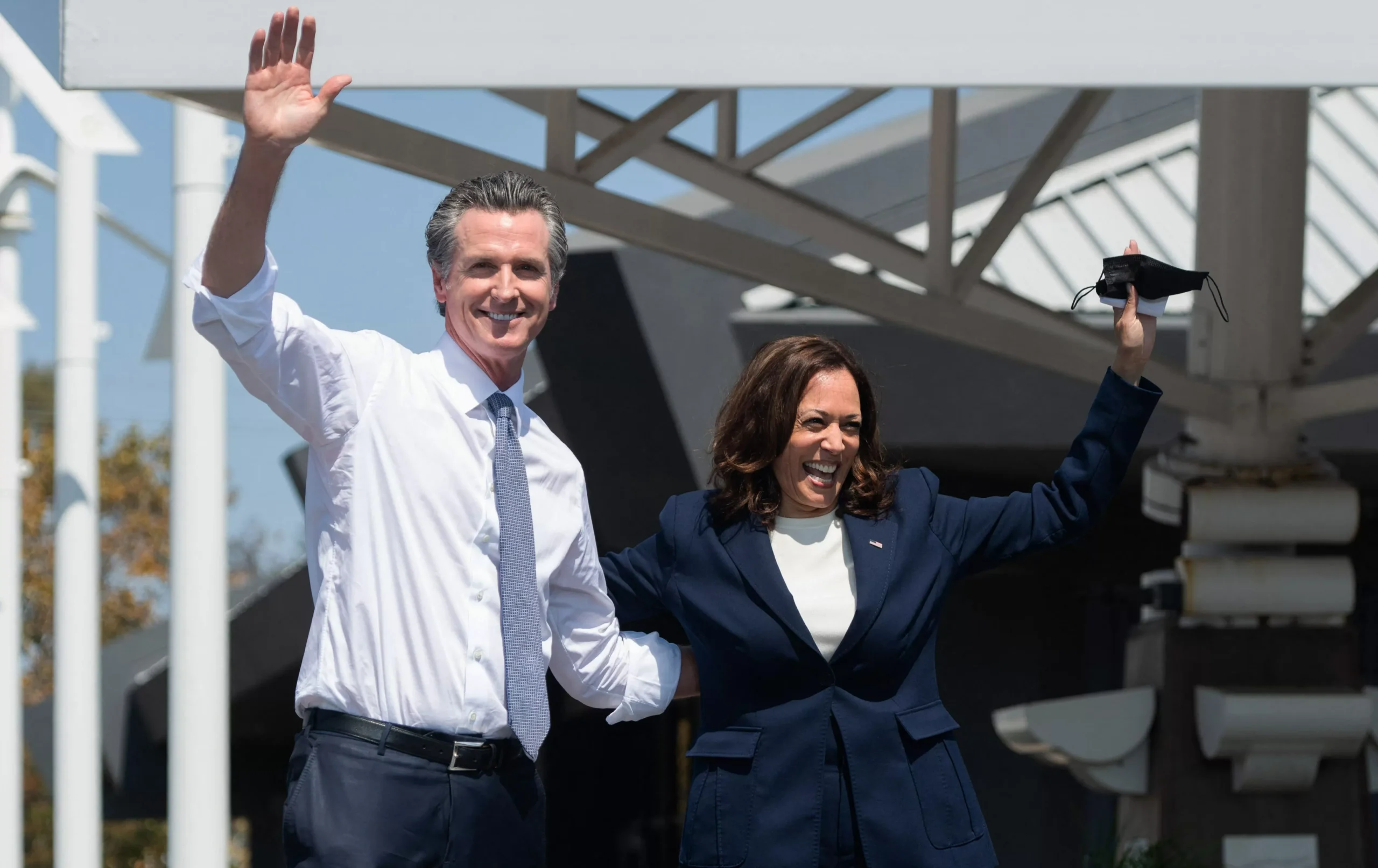
With the next election still years away, it may seem premature to start talking about polling and its significance. However, in today’s fast-paced political landscape, polling has become an essential tool for understanding candidate viability, voter sentiment, and evolving party dynamics. It offers valuable insights into the ever-changing political landscape and can help shape the strategies of political parties and candidates.
Polling, in its simplest form, is the process of collecting data from a sample of individuals to gauge their opinions and attitudes towards a particular topic. In the context of politics, polling is used to measure public opinion on various issues, track voter preferences, and predict election outcomes. It has become an integral part of the political process, providing valuable information to candidates, parties, and the media.
One of the most significant benefits of polling is its ability to gauge candidate viability. In the early stages of an election, when candidates are still vying for their party’s nomination, polling can offer valuable insights into their chances of success. By measuring their popularity and favorability among voters, polling can help candidates understand their strengths and weaknesses and adjust their campaign strategies accordingly.
Moreover, polling can also provide valuable insights into voter sentiment. It allows candidates to understand the issues that are most important to voters and tailor their messaging accordingly. By tracking changes in voter sentiment over time, candidates can also adapt their campaign strategies to align with the evolving concerns of the electorate.
In addition to candidate viability and voter sentiment, polling can also offer valuable insights into evolving party dynamics. As political parties evolve and adapt to changing societal and political trends, polling can help them understand how their policies and messaging are resonating with voters. It can also highlight areas where they may need to improve or change their approach to remain relevant and competitive.
Furthermore, polling can also play a crucial role in shaping the media’s coverage of an election. By providing data and insights into voter preferences and opinions, polling can influence the narrative and focus of media coverage. It can also help the media identify key issues and trends that are shaping the election and provide a more accurate representation of public opinion.
However, it is essential to note that polling is not without its limitations. As with any data collection method, there is always a margin of error, and the results of a poll should be interpreted with caution. Additionally, polling can also be influenced by factors such as sample size, sampling methods, and the wording of questions, which can affect the accuracy of the results.
Despite these limitations, polling remains a valuable tool for understanding the political landscape and shaping election strategies. It provides a snapshot of public opinion at a particular moment in time and can help candidates and parties make informed decisions about their campaigns.
In conclusion, with the next election still years away, polling may seem like a distant concern. However, in today’s fast-paced political climate, it has become an essential tool for understanding candidate viability, voter sentiment, and evolving party dynamics. It offers valuable insights into the ever-changing political landscape and can help shape the strategies of political parties and candidates. As we move closer to the next election, we can expect polling to play an even more significant role in shaping the outcome and influencing the political discourse.

