
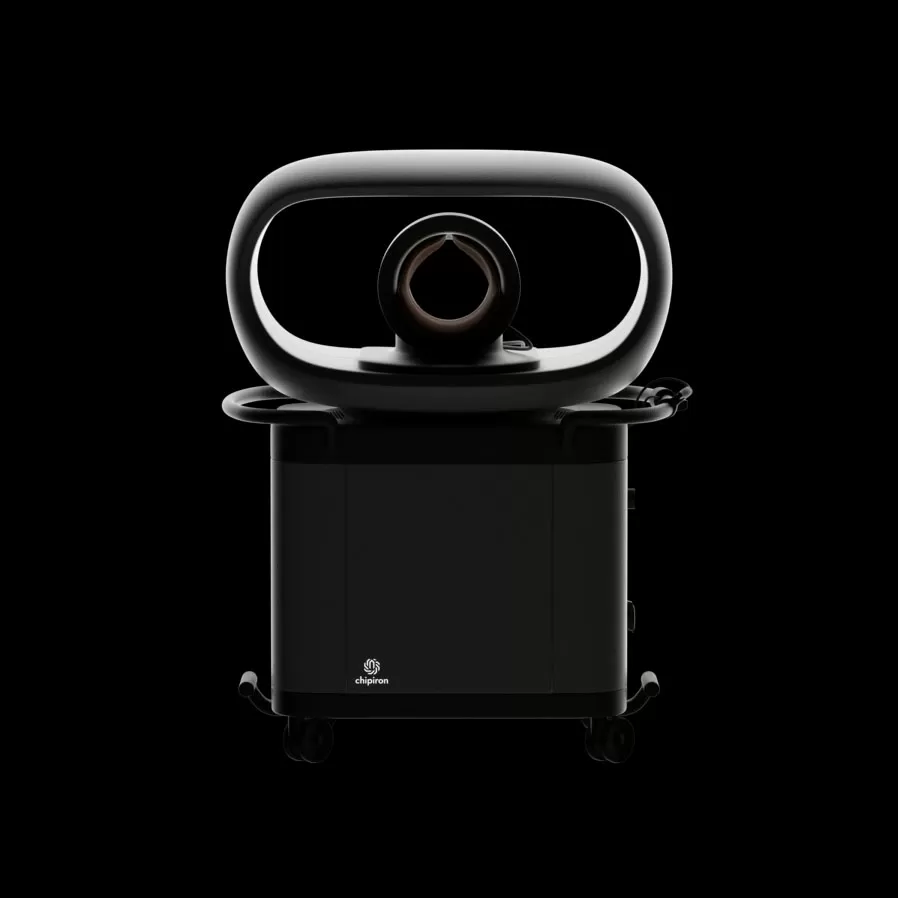
Medical technology has come a long way in recent years, with groundbreaking innovations and advancements in diagnostics and imaging. However, despite this progress, there is still a fundamental issue that has yet to be resolved: the high cost and limited accessibility of critical medical hardware such as MRI machines. But with the current surge in medical device funding, there is hope that this problem will finally be addressed.
According to recent reports, medical device funding has reached levels that haven’t been seen since 2021. Investors are pouring billions of dollars into diagnostics and imaging companies, recognizing the potential for growth and impact in this sector. This influx of funding is a clear indication of the confidence and excitement surrounding the future of medical technology.
One of the main reasons for this surge in funding is the rapid pace of innovation in the medical device industry. Companies are constantly pushing the boundaries and developing new and improved devices that can revolutionize the way we diagnose and treat illnesses. From advanced imaging techniques to portable and user-friendly diagnostic tools, the potential for these devices to improve patient outcomes is immense.
However, despite these advancements, the high cost of medical hardware remains a major barrier. Take MRI machines, for example. These essential devices can cost millions of dollars, making them unattainable for smaller healthcare facilities and clinics. As a result, patients in these areas often have to travel long distances to access these machines, causing delays in diagnosis and treatment.
But with the current surge in funding, there is hope that this issue will finally be addressed. Investors are not only providing financial support but also bringing in their expertise and resources to help companies develop cost-effective solutions. This collaborative effort between investors and medical device companies is crucial in finding ways to make critical medical hardware more accessible and affordable.
One approach that has gained traction in recent years is the development of portable and compact medical devices. These devices are designed to be more affordable and can be easily transported to remote areas, bringing essential medical services closer to those in need. This not only improves access to healthcare but also reduces the burden on larger hospitals and clinics.
Another solution is the use of artificial intelligence (AI) and machine learning in medical devices. These technologies have the potential to make devices more efficient and accurate, reducing the need for expensive hardware. For example, AI-powered imaging software can enhance the capabilities of existing imaging devices, making them more cost-effective and accessible.
Moreover, the current surge in funding is also driving competition in the medical device industry. As more companies receive funding, there is a race to develop the most innovative and cost-effective devices. This healthy competition is driving companies to think outside the box and come up with creative solutions to address the issue of high costs.
In addition to addressing the issue of cost, the current surge in funding is also driving advancements in medical device technology. With more resources at their disposal, companies can invest in research and development, leading to the development of more sophisticated and effective devices. This, in turn, will further improve patient outcomes and revolutionize the healthcare industry.
In conclusion, the current surge in medical device funding is a promising sign for the future of healthcare. While the high cost and limited accessibility of critical medical hardware have been a persistent issue, the influx of funding is providing a much-needed boost to address this problem. With continued support and collaboration between investors and medical device companies, we can look forward to a future where essential medical services are more accessible and affordable for all.

