
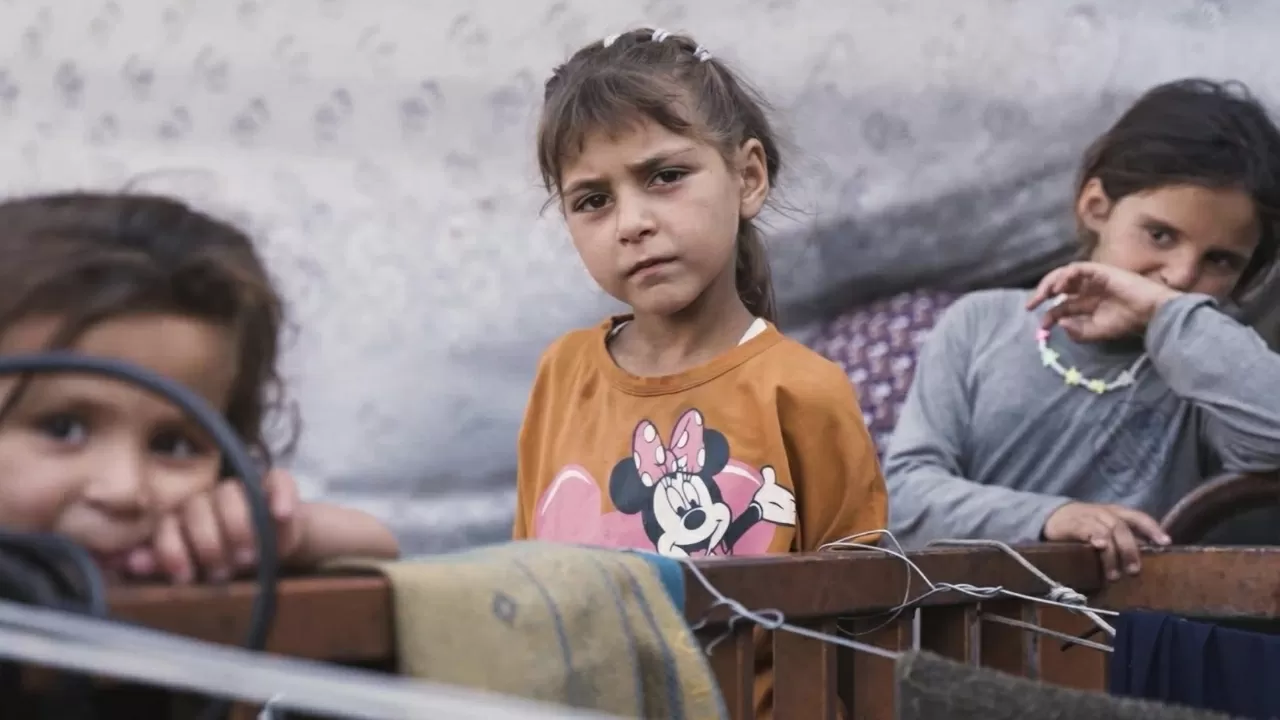
As a mother, there is nothing more heartbreaking than seeing your child suffer. And for many mothers living in war-torn countries, this is a reality they face every day. The effects of war on children are devastating and long-lasting. It not only takes away their childhood but also leaves a lasting impact on their mental and emotional well-being. Every time I speak to other moms, they say: “My child wasn’t like this before the war.” This statement resonates with me deeply, and I believe it is a sentiment shared by mothers all around the world.
War is a destructive force that not only destroys buildings and infrastructure but also shatters families and communities. Children, who are the most vulnerable members of society, are often the ones who suffer the most. They witness violence, lose loved ones, and are forced to flee their homes, leaving behind everything they have ever known. These experiences leave a lasting impact on their young minds, and it is not surprising that they are not the same children they were before the war.
The effects of war on children are far-reaching and complex. They can manifest in various ways, such as behavioral changes, emotional distress, and physical health problems. Many children develop post-traumatic stress disorder (PTSD), which can lead to anxiety, depression, and other mental health issues. They may also exhibit aggressive behavior, have difficulty concentrating, and struggle with social interactions. These changes in behavior are often a result of the trauma they have experienced during the war.
One of the most heartbreaking consequences of war is the loss of innocence. Children are forced to grow up too quickly and are exposed to the harsh realities of life. They are robbed of their childhood and are burdened with responsibilities that are not age-appropriate. Instead of playing with toys and going to school, they are forced to work or take care of their younger siblings. This not only affects their physical and emotional well-being but also hinders their development and future prospects.
The impact of war on children is not limited to their immediate experiences. It also has long-term effects on their future. Children who grow up in war-torn countries are more likely to drop out of school, have limited access to healthcare, and face economic hardships. This not only affects their individual well-being but also has a significant impact on the development of their communities and countries.
As mothers, it is our natural instinct to protect our children and provide them with a safe and nurturing environment. However, in times of war, this becomes an almost impossible task. We are forced to watch our children suffer and struggle to provide them with the basic necessities of life. It is a constant battle between our maternal instincts and the harsh reality of war.
But amidst all the devastation and despair, there is still hope. Children are resilient, and with the right support and resources, they can overcome the trauma of war. As mothers, it is our responsibility to provide our children with a safe and stable environment, both physically and emotionally. We must also seek help for ourselves and our children to cope with the effects of war. This can be in the form of counseling, support groups, or other resources provided by humanitarian organizations.
It is also essential for governments and international organizations to prioritize the well-being of children in times of war. They must provide access to education, healthcare, and other basic needs for children affected by war. It is only through these efforts that we can ensure a better future for our children and break the cycle of violence and poverty.
In conclusion, the statement “My child wasn’t like this before the war” is a heartbreaking reality for many mothers around the world. The effects of war on children are devastating and long-lasting, but with the right support and resources, they can overcome the trauma and build a better future. As mothers, let us stand together and do everything in our power to protect and nurture our children, even in the most challenging of times.

