
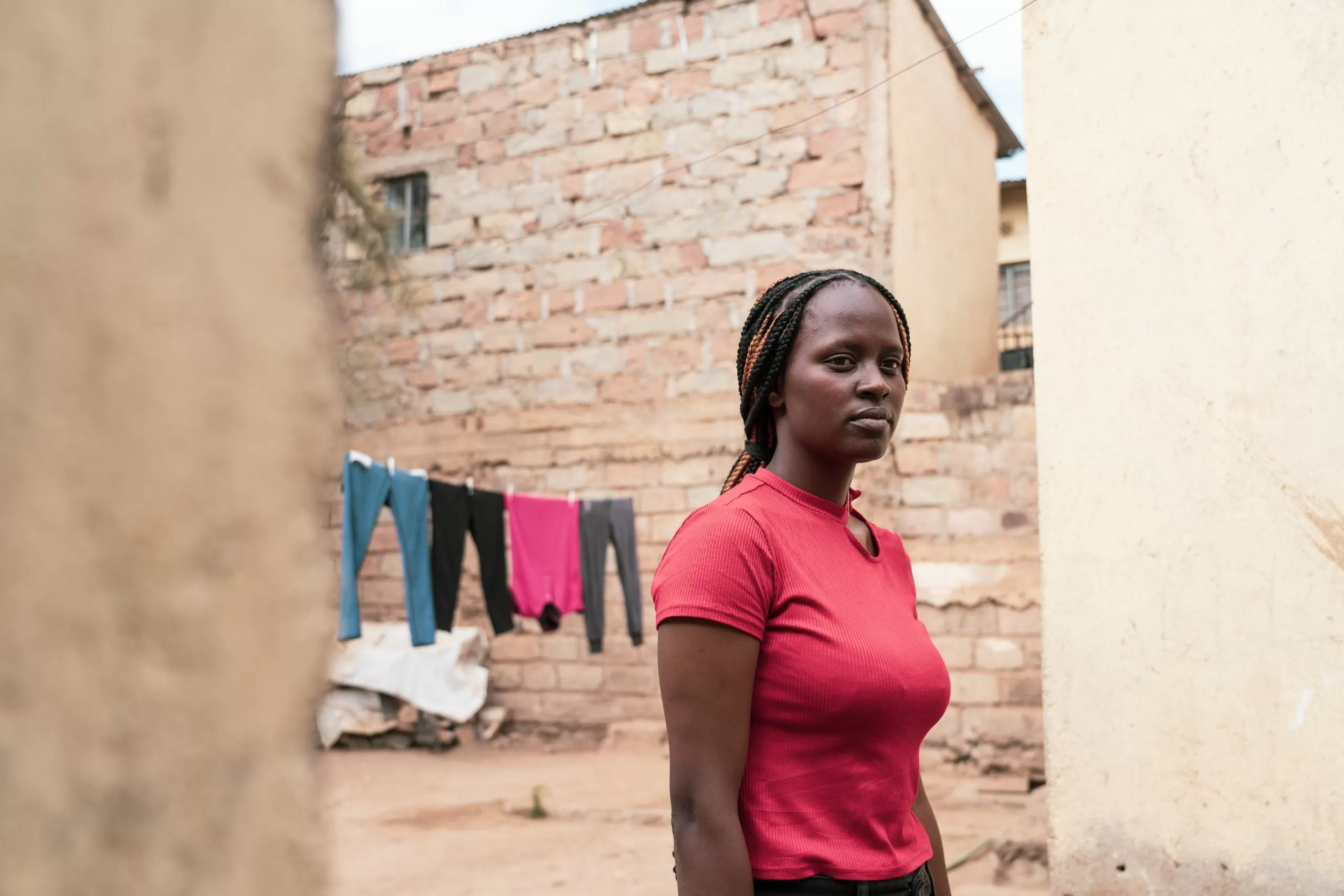
Kenya has now joined a disturbing global trend. It is a trend that is causing concern among many and threatening the well-being of our society. This trend, unfortunately, is the rise of gender-based violence (GBV).
This problem is not unique to Kenya, as it has been on the rise globally. According to the World Health Organization, 1 in 3 women worldwide experience physical or sexual violence in their lifetime. And in Kenya, the numbers are just as alarming. A national survey conducted in 2014 found that 45% of women aged 15-49 have experienced either physical or sexual violence, with the majority of the cases going unreported.
But why is this happening? Why are we seeing an increase in GBV in our country?
One of the main reasons is the deeply ingrained cultural norms and beliefs that perpetuate violence against women. These societal norms have been passed down from generation to generation, making it difficult to break the cycle. In some communities, women are viewed as inferior to men and are expected to be submissive, which can lead to them being silenced and not speaking up against abuse.
Another contributing factor is the lack of gender equality in our society. Women are often not given the same opportunities as men, and this can result in feelings of powerlessness and dependence, making them vulnerable to abuse. Additionally, the economic hardships facing our country have put a strain on families, leading to increased stress and tension, which can sometimes manifest in violence.
The effects of GBV are far-reaching and devastating. It not only affects the physical and mental well-being of the victims but also has a ripple effect on families, communities, and society as a whole. It hinders the progress of our nation and perpetuates a cycle of violence that can continue for generations.
However, amidst this disturbing trend, there is a glimmer of hope. The government of Kenya, in partnership with various organizations and individuals, has taken a stand against GBV. They have implemented various initiatives aimed at preventing and addressing this problem.
The first step in combating GBV is creating awareness and educating the public about its prevalence and the negative impact it has on our society. The Kenyan government, through the Ministry of Public Service, Youth, and Gender Affairs, has launched campaigns and programs to educate and sensitize the public about GBV. This includes school programs, community forums, and media campaigns to change the cultural norms and beliefs that support violence against women.
Another crucial step is providing support and resources to victims of GBV. The government has set up shelters and safe houses for survivors, as well as hotlines for reporting cases of violence. They have also established gender desks in police stations to ensure that cases of GBV are handled sensitively and efficiently.
But it’s not just the government that is taking action. Civil society organizations and individuals are also playing a significant role in addressing GBV. They provide counseling, legal aid, and economic empowerment programs for survivors, as well as engaging in advocacy and lobbying efforts to push for policies and laws that protect women’s rights.
Kenya has also ratified various international and regional instruments that promote gender equality and protect women’s rights, such as the Convention on the Elimination of All Forms of Discrimination against Women (CEDAW) and the Maputo Protocol. These commitments show that our country is taking this issue seriously and is dedicated to ending GBV.
But to truly combat GBV, it requires a collective effort from all members of society. We must all take a stand against violence and work towards creating a society where everyone is treated with dignity and respect, regardless of their gender. We must challenge the cultural norms and beliefs that support violence and promote gender equality in all sectors of our society.
It is heartening to see that Kenya has joined the global movement to end GBV. We are taking steps in the right direction, but there is still a long way to go. We must continue to raise awareness, provide support to survivors, and hold perpetrators accountable. We must work together to create a safe and inclusive society for all, where everyone can live without fear of violence.
In conclusion, Kenya has joined a disturbing global trend, but it is not a hopeless situation. We have taken action, and with continued efforts and commitment, we can overcome GBV and build a better future for our nation. Let us all come together and say no to violence, and yes to a society where everyone can thrive.

