
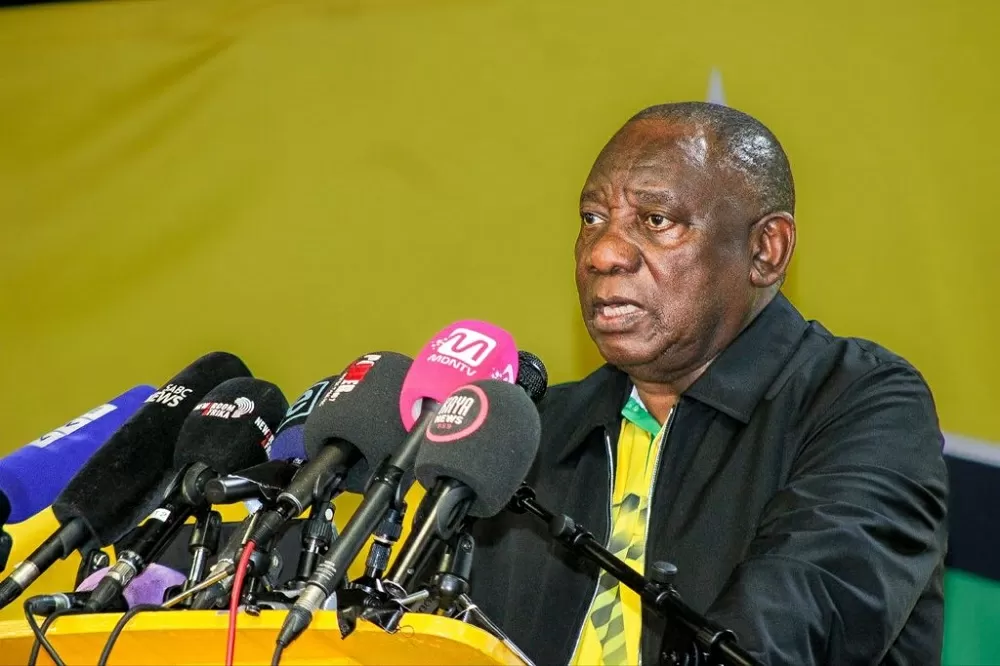
South African President Cyril Ramaphosa has recently unveiled his party’s intervention plan to reignite growth in the country’s economy. This move comes at a crucial time when the nation is facing economic challenges due to the global pandemic and other internal factors. The President’s plan has been met with great enthusiasm and hope, as it promises to bring about much-needed change and progress in the country.
In his address to the nation, President Ramaphosa highlighted the current state of the economy, which has been severely impacted by the COVID-19 pandemic. He acknowledged the hardships faced by the people and the need for urgent action to revive the economy. The President’s intervention plan is a comprehensive strategy that aims to address the key issues hindering economic growth and create a conducive environment for businesses to thrive.
One of the key elements of the intervention plan is the focus on infrastructure development. President Ramaphosa emphasized the importance of investing in infrastructure to stimulate economic growth and create job opportunities. The plan includes a significant increase in infrastructure spending, which will not only boost economic activity but also improve the country’s overall infrastructure. This will not only benefit businesses but also improve the lives of ordinary citizens by providing better access to essential services.
Another crucial aspect of the intervention plan is the focus on small and medium enterprises (SMEs). These businesses are the backbone of the South African economy, and the President’s plan aims to provide them with the necessary support to thrive. This includes access to funding, training, and mentorship programs to help SMEs grow and contribute to the economy. By empowering SMEs, the plan aims to create more job opportunities and reduce unemployment, which is a pressing issue in the country.
The intervention plan also addresses the issue of energy supply, which has been a major hindrance to economic growth in South Africa. The President announced that the government will be implementing measures to increase energy supply and reduce the country’s reliance on coal. This move will not only have a positive impact on the environment but also attract more investment and create new industries in the renewable energy sector.
In addition to these key areas, the intervention plan also focuses on improving the ease of doing business in South Africa. This includes reducing red tape and streamlining processes to make it easier for businesses to operate in the country. The plan also aims to address corruption and promote good governance, which will create a more transparent and trustworthy business environment.
The President’s intervention plan has been met with widespread support from various sectors, including business leaders, economists, and citizens. It is seen as a bold and decisive move that will bring about much-needed change and progress in the country. The plan’s comprehensive approach and focus on key areas have instilled confidence in the people and the business community, who are eagerly waiting to see its implementation.
The intervention plan is a testament to President Ramaphosa’s commitment to reviving the economy and creating a better future for all South Africans. It is a clear indication that the government is taking proactive steps to address the challenges facing the country and is determined to bring about positive change. The plan’s success will not only benefit the economy but also improve the lives of the people and create a more prosperous nation.
In conclusion, President Ramaphosa’s intervention plan to reignite growth in the economy is a much-needed ray of hope for South Africa. It is a well-thought-out and comprehensive strategy that addresses key issues and provides a roadmap for economic recovery. With the support of the people and the business community, this plan has the potential to bring about significant progress and prosperity for the country. Let us all unite and work towards making this plan a success for the betterment of our nation.

