
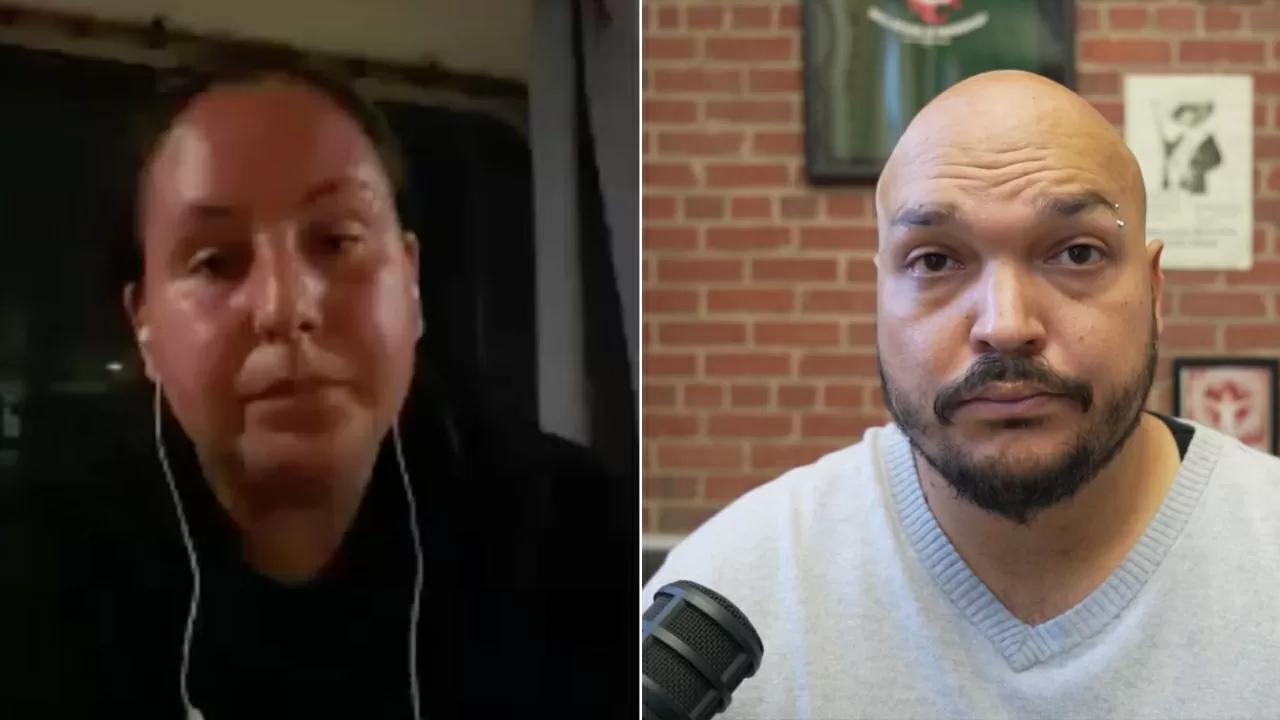
As the world continues to grapple with issues of oppression, colonization, and injustice, it is important to remember that solidarity knows no borders. This is especially true for Indigenous communities across the globe, who have long been fighting for their own liberation and sovereignty. In recent years, there has been a growing movement of global Indigenous solidarity, with Indigenous nations from Turtle Island (also known as North America) standing in solidarity with the Palestinian people and their struggle for liberation.
At the forefront of this movement is Winona LaDuke, an Anishinaabe activist and environmentalist, who has been a vocal advocate for Indigenous rights and environmental justice for decades. In a recent interview, she stated, “I’m here as an act of global Indigenous solidarity, and there are many, many people, many Indigenous nations across Turtle Island, that support the Palestinian people and their liberation struggle.” This statement highlights the interconnectedness of Indigenous struggles and the importance of standing in solidarity with one another.
The parallels between the struggles of Indigenous communities and the Palestinian people are striking. Both have been subjected to colonization, displacement, and ongoing oppression by settler colonial states. Both have had their lands and resources taken away, and their cultures and identities suppressed. And both have been fighting for their right to self-determination and sovereignty.
For Indigenous communities, the impacts of colonization are still deeply felt today. The forced removal from their lands, the destruction of their traditional ways of life, and the ongoing exploitation of their resources have all contributed to the ongoing struggles faced by Indigenous peoples. Similarly, the Palestinian people have been subjected to decades of occupation, displacement, and violence at the hands of the Israeli state. Their right to self-determination and sovereignty has been continuously denied, and their lands and resources have been taken away.
In the face of these shared struggles, it is no surprise that Indigenous communities from Turtle Island have shown their support for the Palestinian people. This solidarity is rooted in a deep understanding of the impacts of colonization and the importance of standing together in the face of oppression. As LaDuke stated, “We understand what it means to have your land taken away, to have your resources taken away, to have your children taken away, to have your culture suppressed. And we also understand the power of standing together and fighting for our rights.”
This solidarity has been demonstrated in various ways, from organizing protests and rallies to issuing statements of support. In 2016, the Standing Rock Sioux Tribe, along with over 200 other Indigenous nations, issued a statement of solidarity with the Palestinian people, stating, “We understand the struggle of the Palestinian people because we have the same struggle.” This statement was a powerful display of unity and a reminder that Indigenous struggles are not isolated incidents, but rather part of a larger global struggle against oppression and injustice.
Furthermore, Indigenous activists and leaders have also traveled to Palestine to show their support and learn from the Palestinian people. In 2017, a delegation of Indigenous women, including LaDuke, visited Palestine to meet with Palestinian women and learn about their struggles. This trip was a powerful display of solidarity and a reminder that the fight for justice and liberation is a global one.
However, this solidarity has not been without its challenges. Some have criticized Indigenous communities for standing in solidarity with the Palestinian people, arguing that it is not their fight. But as LaDuke stated, “We are all connected. We are all in this together.” The struggles of Indigenous communities and the Palestinian people are interconnected, and standing in solidarity with one another is a powerful act of resistance against colonialism and oppression.
In conclusion, the statement by Winona LaDuke, “I’m here as an act of global Indigenous solidarity, and there are many, many people, many Indigenous nations across Turtle Island, that support the Palestinian people and their liberation struggle,” highlights the importance of global Indigenous solidarity and the interconnectedness of struggles against oppression. As we continue to fight for justice and liberation, let us remember that our struggles are not isolated, but rather part of a larger global movement for justice and equality. Let us stand together in solidarity, united in our shared struggles and our determination to create a better world for all.

