
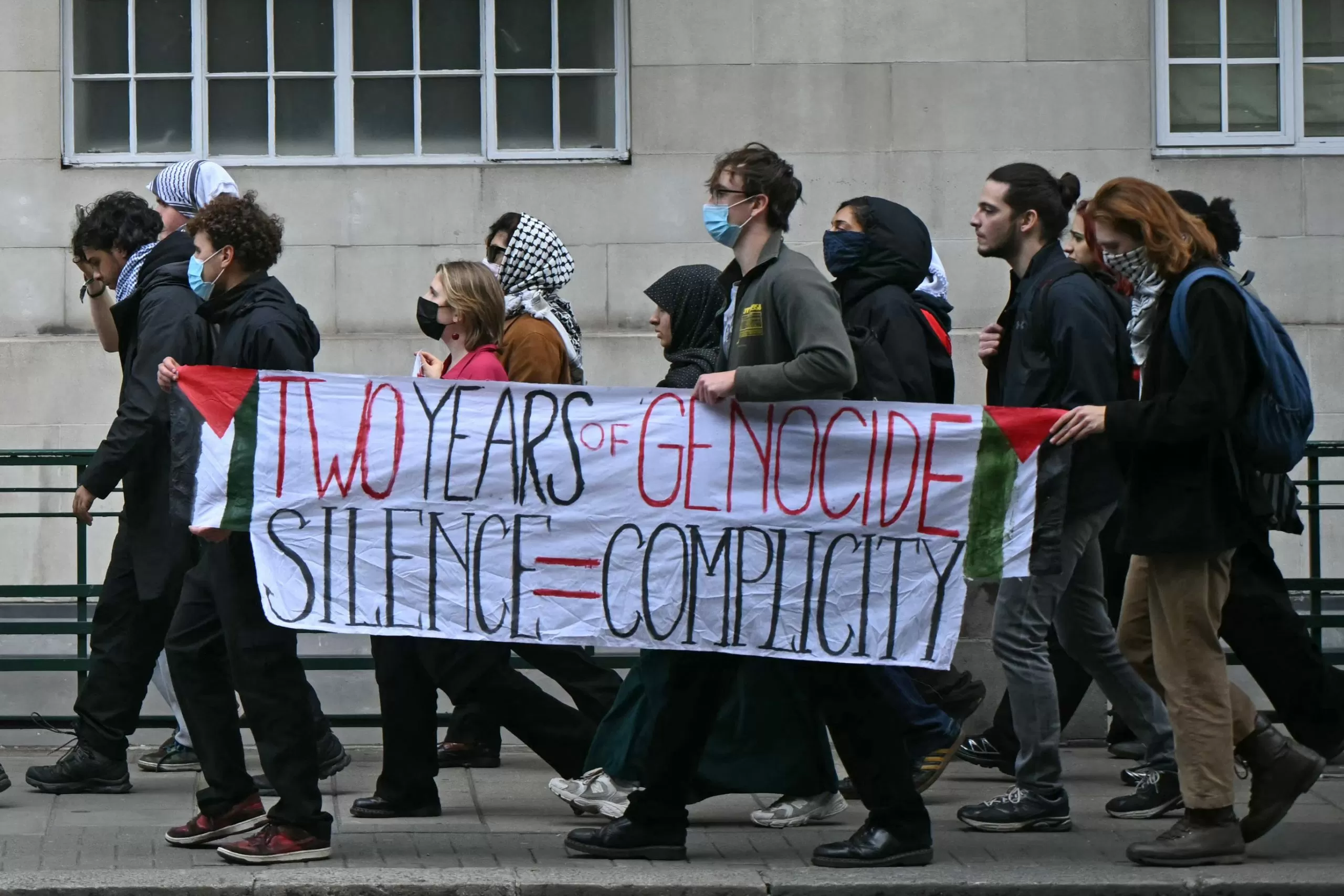
Genocide is a term that evokes images of mass extermination, systematic violence, and unimaginable atrocities. It is a word that carries a heavy weight, one that is often associated with the Holocaust – the systematic massacre of six million Jews by Nazi Germany during World War II. However, as we continue to witness acts of violence and oppression around the world, it is important to understand that genocide can take many forms and does not always resemble the horrors of the Holocaust.
The United Nations defines genocide as “any of the following acts committed with intent to destroy, in whole or in part, a national, ethnical, racial or religious group: killing members of the group, causing serious bodily or mental harm to members of the group, deliberately inflicting on the group conditions of life calculated to bring about its physical destruction, imposing measures intended to prevent births within the group, and forcibly transferring children of the group to another group.”
This definition highlights the fact that genocide is not limited to one specific group or method. It is a deliberate and systematic attempt to destroy a particular group of people based on their identity. This can include ethnic, racial, religious, or political groups. It is important to note that genocide does not only refer to physical extermination, but also includes attempts to destroy a group’s culture, language, and way of life.
The Holocaust is often seen as the benchmark for what constitutes genocide. However, it is crucial to understand that genocide can take many forms and does not always look like the Holocaust. The Holocaust was a unique event in history, with its own specific context and methods. It cannot and should not be used as the only standard for determining what is considered genocide.
One example of genocide that does not resemble the Holocaust is the Rwandan genocide of 1994. In just 100 days, approximately 800,000 Tutsi people were brutally murdered by Hutu extremists. This genocide was not carried out through concentration camps or gas chambers, but rather through machetes and other crude weapons. The scale and speed of the killings were unprecedented, and it left an entire nation in shock and mourning. This is a clear example of how genocide can take different forms and does not always follow a predetermined pattern.
Another example is the ongoing genocide of the Yazidi people in Iraq and Syria by the Islamic State (ISIS). The Yazidis, an ethnic and religious minority, have been targeted by ISIS for their beliefs and way of life. They have faced mass executions, sexual slavery, and forced conversions. This form of genocide is not based on race or ethnicity, but on religious identity. It shows that genocide can occur based on various factors and is not limited to one specific group.
It is also important to recognize that genocide can occur even within a country’s own borders. The mass killings of indigenous peoples in countries like Australia, Canada, and the United States are examples of this. These acts were carried out by the government and settlers with the intention of eradicating the indigenous populations and claiming their land. This is a stark reminder that genocide can happen anywhere, and not just in war-torn countries.
The specific criteria for what constitutes genocide is crucial in holding perpetrators accountable and preventing future atrocities. It is also important to understand that these criteria can apply to different situations and contexts. For example, the deliberate spread of diseases, such as smallpox, by European colonizers to indigenous populations in the Americas can also be considered a form of genocide. This highlights the need for a broad and inclusive understanding of what constitutes genocide.
In conclusion, the Holocaust should not be the only lens through which we view and understand genocide. The specific criteria for what makes something genocide allows us to recognize and acknowledge the various forms that it can take. As global citizens, it is our responsibility to educate ourselves and others about the different faces of genocide and work towards preventing it in all its forms. Let us remember the words of Elie Wiesel, a Holocaust survivor and Nobel Peace Prize winner, “For the dead and the living, we must bear witness.” It is only by bearing witness that we can truly understand the magnitude of genocide and strive towards a world where it never happens again.

