
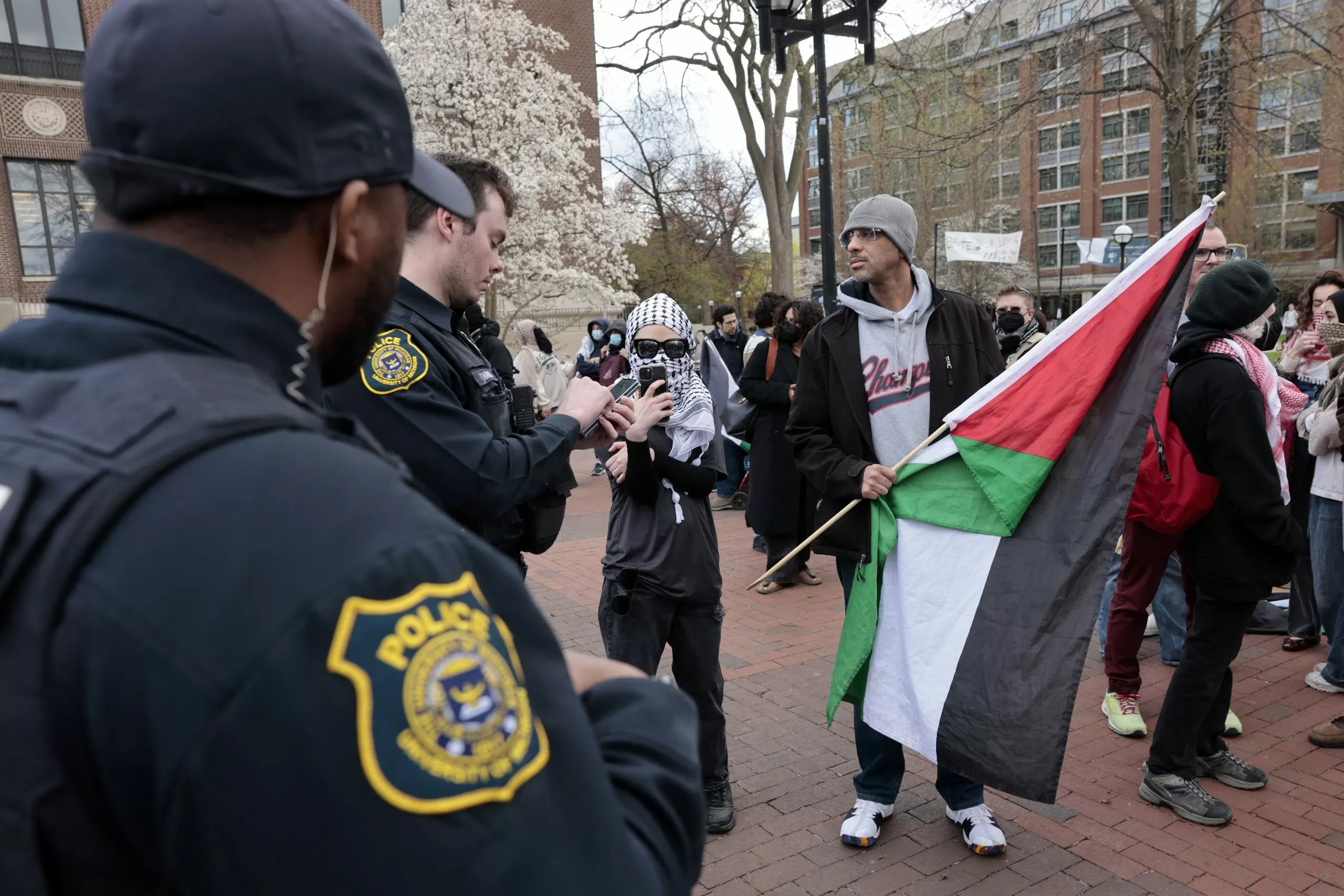
As the federal government continues its top-down assault on higher education, universities are facing a new challenge – the need to balance academic freedom with the growing demand for security and surveillance. With the Trump administration’s aggressive stance on immigration and national security, universities are feeling the pressure to comply with government policies, while also maintaining their commitment to intellectual freedom and diversity.
The current political climate has put universities in a difficult position. On one hand, they are expected to uphold the principles of free speech and open discourse, while on the other, they are being forced to comply with government policies that may restrict these very principles. This has led to a growing concern among students and faculty about the erosion of academic freedom and the rise of surveillance and repression on campus.
The federal government’s policies on immigration and national security have had a direct impact on universities. The travel ban, for instance, has affected students and scholars from certain countries, making it difficult for them to enter the United States and pursue their education. This has not only affected the diversity of the student body, but also the exchange of ideas and perspectives on campus.
In response to these policies, universities have been forced to implement new security measures, such as increased surveillance and monitoring of students and faculty. This has raised concerns about privacy and the potential for discrimination and targeting of certain groups on campus. In some cases, universities have even been asked to share information about their students with government agencies, further blurring the line between academic freedom and government control.
But it’s not just external pressure that universities are facing. They are also internally building their own repression and surveillance machines. In an effort to maintain order and security on campus, universities have been investing in new technologies and systems that monitor and track students’ activities. This includes everything from surveillance cameras to tracking software on student devices.
While these measures may be well-intentioned, they also raise questions about the impact on students’ rights and freedoms. Are students being treated as potential threats rather than individuals with the right to privacy and free expression? Are these measures creating a culture of fear and suspicion on campus?
Moreover, the use of these technologies and systems can also have unintended consequences. For example, facial recognition software, which is being used by some universities for security purposes, has been shown to have a higher error rate for people of color and women. This raises concerns about discrimination and bias in the use of these technologies.
It’s important to note that universities are not solely to blame for these developments. They are caught in a difficult position, trying to balance the demands of the government with the values of academic freedom and diversity. However, it’s crucial for universities to be transparent about their use of surveillance and repression measures and to engage in open dialogue with students and faculty about their concerns.
In addition, universities must also continue to uphold their commitment to diversity and inclusivity. This means actively working to create a safe and welcoming environment for all students, regardless of their background or beliefs. It also means standing up against policies and actions that go against these values, even if it means facing backlash from the government.
As the federal government continues its top-down assault on higher education, universities must resist the pressure to compromise on their principles. They must continue to be spaces for open discourse, critical thinking, and the exchange of diverse perspectives. And they must do so while also protecting the rights and freedoms of their students and faculty.
In the face of adversity, universities have always been a beacon of hope and progress. They have been at the forefront of social change and have played a crucial role in shaping our society. It’s now more important than ever for universities to stand firm in their commitment to academic freedom and diversity, and to reject any attempts to turn them into repressive and surveillance machines. Only then can we truly ensure a brighter future for higher education and our society as a whole.

