
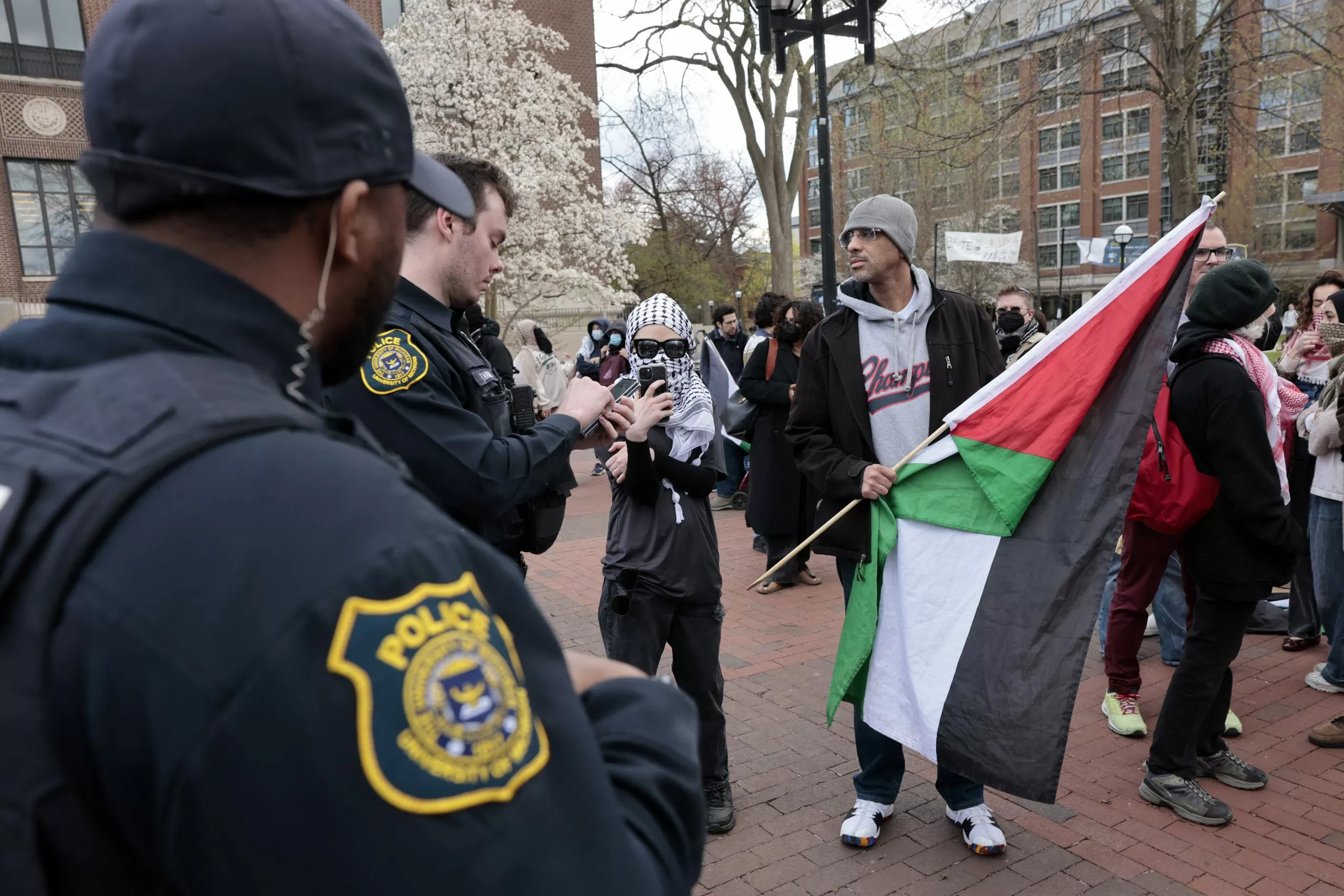
As we continue to witness the federal government’s relentless attack on higher education, it’s alarming to see that universities are also contributing to the erosion of academic freedom and democratic values. In their efforts to comply with government policies, universities have been quietly building repressive and surveillance machines that mimic the Trump administration’s authoritarian tactics.
While the current administration’s disdain for higher education is not a secret, it’s concerning to see universities succumbing to its pressure and compromising on their core principles. The federal government’s agenda to control universities and suppress dissent is evident in its policies, such as the proposed changes to Title IX and the Department of Education’s efforts to limit free speech on campuses. However, instead of standing up for academic freedom and student rights, universities are choosing to align themselves with the government’s repressive tactics.
One of the most concerning developments in this regard is the increasing use of surveillance technologies on campuses. In the name of safety and security, universities are installing facial recognition systems, monitoring student’s social media activities, and collecting data on their movements and interactions. This level of surveillance is not only invasive but also has the potential to create a culture of fear and self-censorship among students and faculty. It’s a clear violation of privacy and academic freedom, and it sets a dangerous precedent for the future of higher education.
It’s also worth noting that universities are not the only ones responsible for this disturbing trend. Tech companies, in their pursuit of profits, are eagerly providing universities with the tools to monitor and control their students. The rise of online learning has further fueled the use of these surveillance technologies, as universities can now track students’ online activities and even proctor exams remotely. This puts students under constant surveillance and denies them the right to privacy that is essential for intellectual growth and development.
Moreover, universities are also adopting repressive measures to silence dissent and suppress activism on campuses. The increased use of student conduct codes, which restricts students’ right to protest and express their opinions, is a prime example of this. Universities are also collaborating with law enforcement agencies to suppress student protests, as seen in the recent incidents at the University of California, Berkeley, and the University of Virginia. These actions not only undermine the principles of academic freedom and free speech but also have a chilling effect on students’ willingness to engage in activism and social justice movements.
The federal government’s influence on universities is also evident in the hiring and firing of faculty members. The Trump administration’s efforts to appoint conservative figures to key positions in higher education have raised concerns about academic freedom and the politicization of universities. These appointments have also led to the suppression of research and scholarship that goes against the administration’s agenda, further undermining the integrity of academic institutions.
It’s disheartening to see universities, which are supposed to be bastions of knowledge and critical thinking, succumbing to the repressive tactics of the federal government. Instead of challenging the government’s attacks on higher education, universities are becoming complicit in its agenda. This not only harms the academic community but also sets a dangerous precedent for the future of our society.
As members of the academic community, it’s our responsibility to speak out against these repressive measures and protect the principles of academic freedom, free speech, and privacy. Students and faculty must come together to demand that universities uphold their values and resist the government’s attempts to control and silence them. We must also hold universities accountable for their actions and demand transparency in their use of surveillance technologies.
Furthermore, it’s essential for universities to take a stand and reject the federal government’s interference in their affairs. They must uphold their autonomy and refuse to compromise on their values, even in the face of pressure from the government. Universities must also prioritize the protection of students’ and faculty’s rights and actively work towards creating a safe and inclusive environment for all.
In conclusion, as the federal government continues its top-down assault on higher education, it’s disheartening to see universities willingly participating in the erosion of academic freedom and democratic values. It’s imperative for the academic community to unite and resist these repressive measures, and for universities to uphold their principles and autonomy. We must not let the Trump administration’s authoritarian tactics dictate the future of our education system. It’s time for universities to take a stand and defend the values that make them the pillars of our society.

