
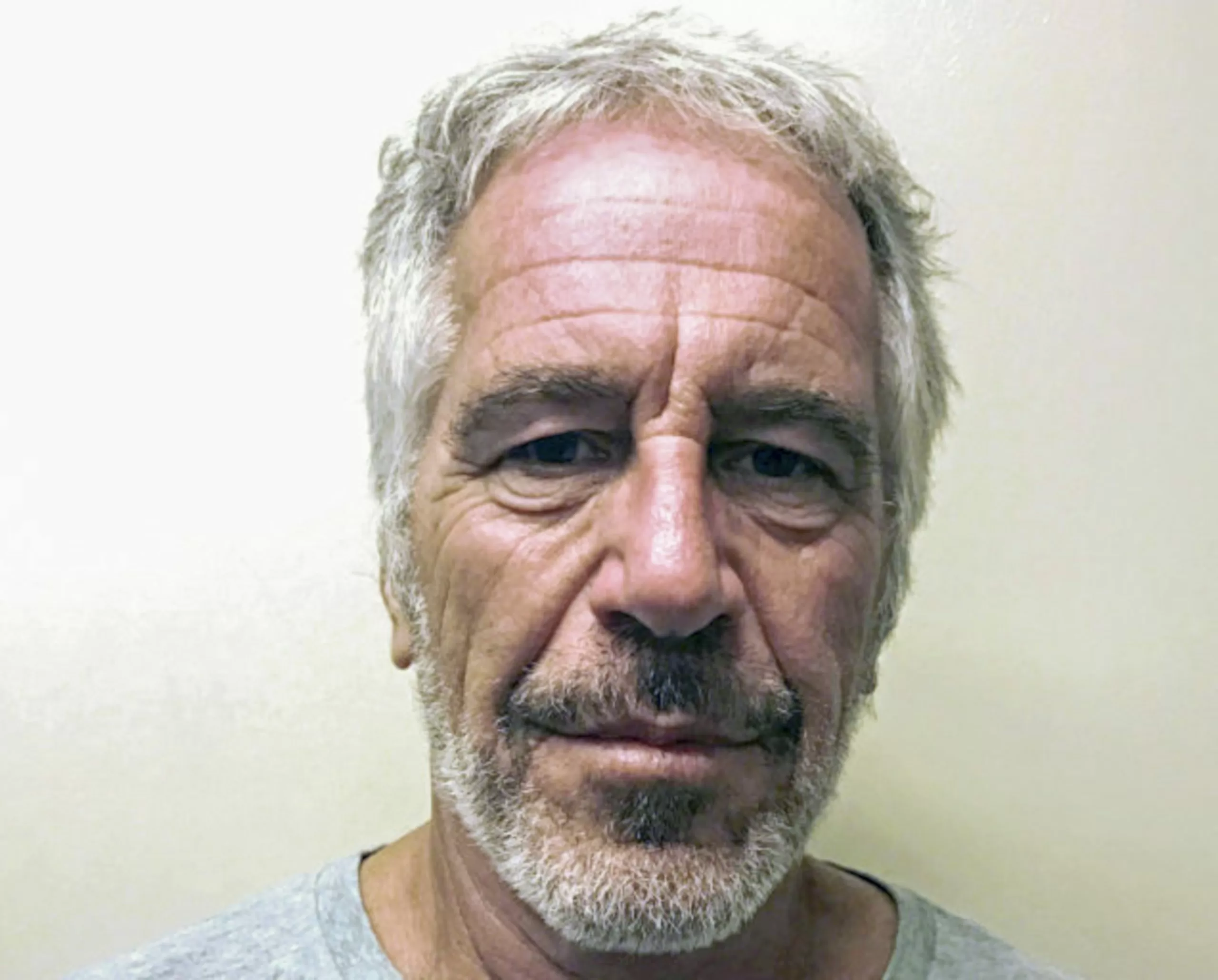
For nearly two decades, Jeffrey Epstein seemed untouchable. With a vast fortune and powerful connections, he was able to evade justice and continue his heinous crimes against young girls. But as the saying goes, money can’t buy everything, and eventually, the truth caught up with him.
Epstein’s story is a cautionary tale of how privilege and power can create a shield of protection, allowing individuals to get away with unspeakable acts. But it is also a story of resilience and determination, as journalists and investigators followed the money to uncover the truth and bring Epstein to justice.
It all began in the 1990s when Epstein, a wealthy financier, started to build his empire. He rubbed shoulders with the rich and famous, including politicians, businessmen, and even royalty. With his charm and charisma, he was able to gain their trust and use his connections to expand his wealth and influence.
But behind the glitz and glamour, Epstein had a dark side. He used his wealth and power to lure young girls, some as young as 14, into his web of sexual abuse. He would promise them money, gifts, and a better life, only to exploit and manipulate them for his own pleasure. And for years, he got away with it.
Epstein’s victims were often from disadvantaged backgrounds, making them easy targets for his manipulation. But what made his crimes even more insidious was the fact that he used his wealth and connections to silence and intimidate his victims. He would hire high-profile lawyers and use his influence to make the charges against him disappear.
For nearly 20 years, Epstein’s fortune shielded him from justice. But in 2019, everything changed. A team of investigative journalists from the Miami Herald, led by reporter Julie K. Brown, started digging into Epstein’s past. They were determined to uncover the truth and give a voice to his victims, who had been silenced for so long.
Their investigation led them to a web of financial transactions, which revealed the extent of Epstein’s wealth and how he used it to cover up his crimes. They discovered that Epstein had a network of shell companies and offshore accounts, making it difficult to trace his money. But with persistence and determination, they were able to follow the money trail and expose the truth.
The Miami Herald’s groundbreaking reporting sparked a renewed interest in Epstein’s case, and soon, other media outlets and law enforcement agencies joined in the investigation. As more evidence came to light, it became clear that Epstein’s crimes were not just limited to Florida, but had been happening for years in different parts of the world.
Finally, in July 2019, Epstein was arrested and charged with sex trafficking and conspiracy to commit sex trafficking. The charges against him were a result of the tireless efforts of journalists and investigators who followed the money and uncovered the truth. And while Epstein may have thought his wealth and power would protect him, justice prevailed in the end.
Epstein’s case also shed light on the larger issue of how privilege and power can be used to manipulate and exploit vulnerable individuals. It sparked a much-needed conversation about the systems and structures that allow individuals like Epstein to thrive and get away with their crimes.
But perhaps the most significant impact of following the money was giving a voice to Epstein’s victims. For years, they had been silenced and ignored, but thanks to the journalists and investigators who followed the money, their stories were finally heard. And with their bravery and courage, they were able to bring down a powerful predator and hold him accountable for his actions.
In the end, Jeffrey Epstein’s story is a reminder that no one is above the law, no matter how much money or power they may have. It also serves as a testament to the power of investigative journalism and the importance of following the money to uncover the truth. And most importantly, it is a story of hope and resilience, as justice was finally served for the victims of Epstein’s heinous crimes.

