
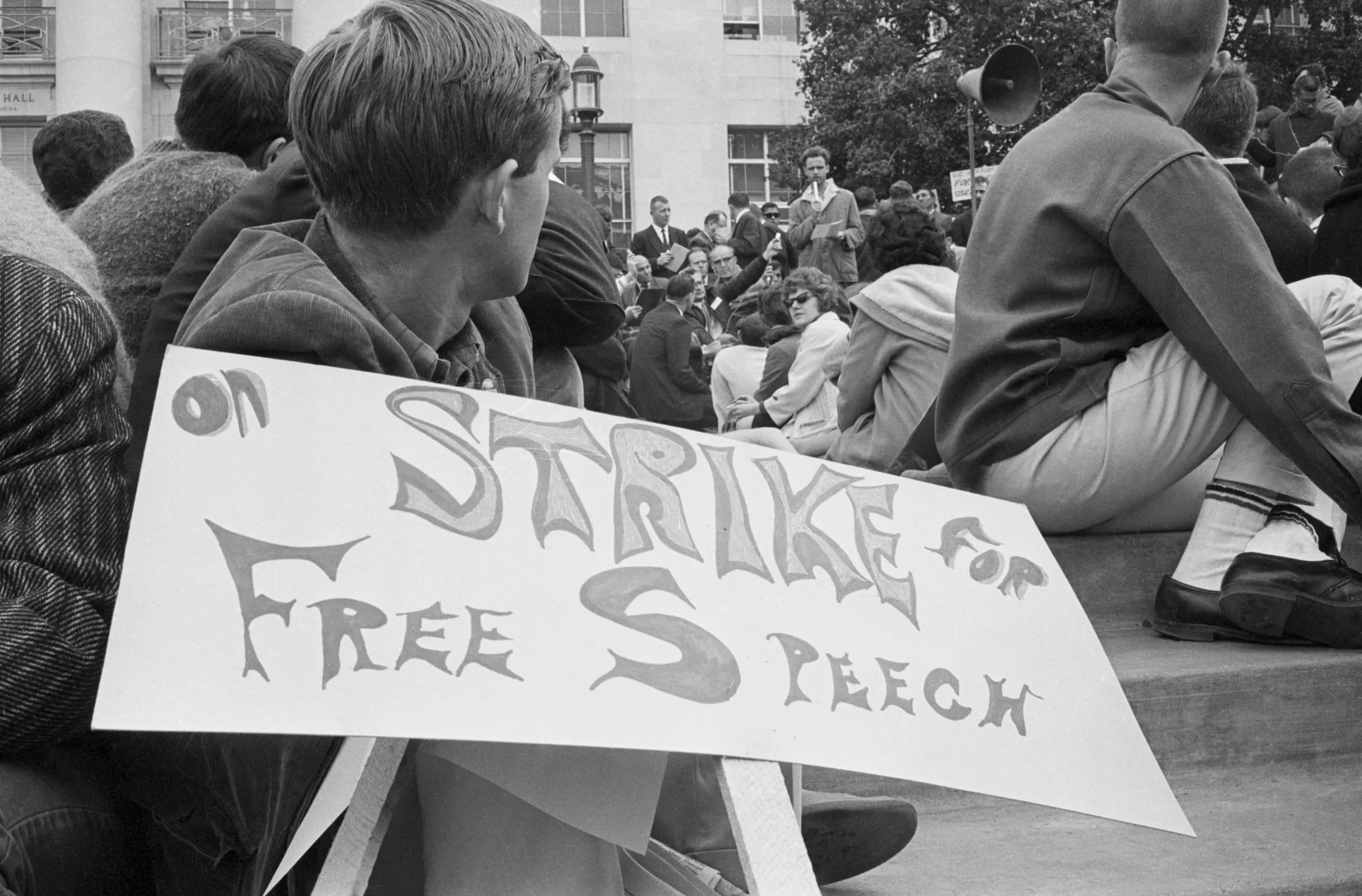
As we navigate through the current political climate, the importance of defending free speech and academic freedom has become more crucial than ever. In the midst of divisive rhetoric and attacks on the very foundations of democracy, it is essential to learn from those who have fought for these rights in the past. One such veteran is historian David Hollinger, a key figure in the free speech movement of the 1960s. With his wealth of experience and knowledge, Hollinger shares hard-won lessons on how we can protect and preserve these fundamental liberties in the age of Trump.
Hollinger’s involvement in the free speech movement began in the early 1960s, when he was a graduate student at the University of California, Berkeley. Along with thousands of other students, he participated in protests against the university’s ban on political activities on campus. The movement gained momentum and eventually led to the famous Berkeley Free Speech Movement, which successfully overturned the ban and paved the way for greater freedom of expression on college campuses.
Reflecting on his experiences during that time, Hollinger emphasizes the importance of standing up for what you believe in, even in the face of opposition. He recalls the bravery and determination of his fellow students, who were willing to risk their academic careers for the sake of free speech. This spirit of activism and resilience is something that he believes is still relevant today.
In the current political climate, we are witnessing a rise in censorship and attacks on academic freedom. From the suppression of scientific research to the intimidation of professors who express dissenting views, the very foundations of academic freedom are under threat. Hollinger warns that if we do not take a stand now, we risk losing these rights altogether.
One of the key lessons that Hollinger shares is the importance of building alliances and coalitions. During the free speech movement, students from different backgrounds and ideologies came together to fight for a common cause. This unity was crucial in their success. Similarly, in today’s world, it is essential for individuals and organizations to come together to defend free speech and academic freedom. Hollinger stresses that this is not just the responsibility of students and academics, but of all citizens who value democracy and the pursuit of knowledge.
Another lesson that Hollinger imparts is the need for strategic thinking and planning. He emphasizes the importance of understanding the legal and political landscape in which we are operating. This includes knowing our rights and utilizing the legal system to protect them. Hollinger also stresses the importance of engaging with those who hold opposing views in a respectful and productive manner. By engaging in open and honest dialogue, we can bridge the gap between different perspectives and find common ground.
Hollinger also highlights the role of universities in safeguarding free speech and academic freedom. As institutions of higher learning, universities have a responsibility to foster an environment where diverse opinions and ideas can be freely expressed. This includes protecting the rights of students and faculty to engage in peaceful protests and demonstrations. Hollinger urges universities to take a proactive stance in defending these rights and not succumb to pressure from external forces.
In the age of Trump, it is easy to feel overwhelmed and discouraged by the constant attacks on free speech and academic freedom. However, Hollinger’s message is one of hope and resilience. He reminds us that throughout history, there have been moments of darkness, but there have also been moments of triumph. By learning from the past and working together, we can overcome the challenges we face today.
In conclusion, David Hollinger’s insights and lessons are invaluable in our current fight to defend free speech and academic freedom. As a veteran of the free speech movement, his experiences and wisdom serve as a guiding light for those of us who are committed to protecting these fundamental rights. Let us heed his words and continue the fight for a society where free speech and academic freedom are not just ideals, but realities.

