
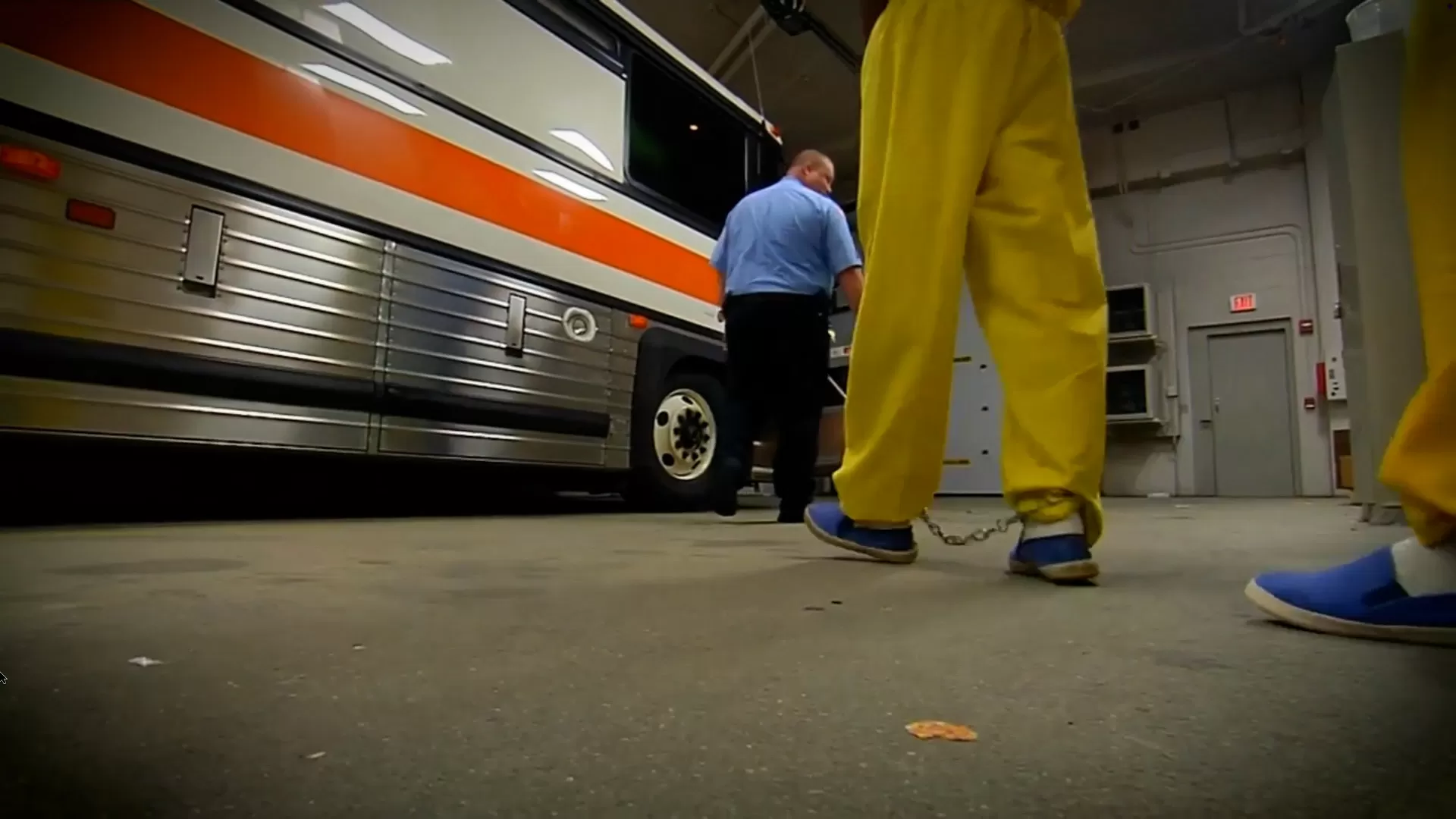
Wisconsin, a state known for its natural beauty and friendly people, is facing a serious issue that cannot be ignored any longer. The state’s prison population is growing at an alarming rate, and it is time for the government to take urgent action to address this crisis. As activist and author, Michelle Alexander, rightly said, “I don’t think Wisconsin can afford to drag its feet while people are dying.”
The statistics are shocking. Wisconsin’s prison population has more than tripled since 1990, with over 23,000 people currently incarcerated. This is a staggering number, especially when compared to the state’s population of just over 5.8 million. The state also has one of the highest incarceration rates in the country, with a disproportionate number of people of color behind bars. This is not just a problem for those directly affected, but it also has a ripple effect on families and communities.
The root cause of this issue lies in the harsh and outdated policies that have been in place for decades. The “tough on crime” approach has led to an increase in mandatory minimum sentences, three-strikes laws, and other policies that have resulted in a significant increase in the prison population. These policies have disproportionately affected marginalized communities, perpetuating systemic racism and perpetuating the cycle of poverty and incarceration.
But it is not just about the numbers. Behind every statistic, there are real people, families, and communities suffering. Incarceration not only takes away an individual’s freedom but also has a devastating impact on their mental and physical health. It also creates a barrier to employment, housing, and education, making it challenging for individuals to reintegrate into society after their release. This, in turn, increases the likelihood of reoffending and returning to prison.
It is high time for there to be some political urgency around the closure of these prisons and a real, committed goal to reduce Wisconsin’s prison population. The good news is that there are solutions that have been proven to work in other states. One such solution is the implementation of alternative sentencing programs, such as drug courts, mental health courts, and community-based supervision. These programs focus on rehabilitation rather than punishment and have been successful in reducing recidivism rates.
Another solution is to address the root causes of crime, such as poverty, lack of access to education and healthcare, and systemic racism. By investing in these areas, we can prevent individuals from entering the criminal justice system in the first place. This will not only reduce the prison population but also create a safer and more equitable society for all.
Furthermore, it is essential to have a more compassionate and humane approach towards those who are currently incarcerated. This includes providing access to education, job training, and mental health services, as well as addressing the inhumane conditions in some of Wisconsin’s prisons. By treating individuals with dignity and respect, we can help them successfully reintegrate into society and break the cycle of incarceration.
But all of this requires political will and commitment. It is time for our leaders to prioritize this issue and take concrete steps towards reducing Wisconsin’s prison population. This includes passing legislation to reform harsh sentencing laws, investing in alternative sentencing programs, and addressing the root causes of crime. It also means working with community organizations and individuals who are directly impacted by the criminal justice system to develop effective and sustainable solutions.
We cannot afford to drag our feet any longer. People’s lives are at stake, and the longer we wait, the more lives will be lost. It is time for Wisconsin to lead by example and show the rest of the country that a more compassionate and effective approach to criminal justice is possible. Let us work together to create a safer, more just, and more equitable Wisconsin for all.

