
Texting while driving has become a major concern in recent years as it has contributed to countless accidents and even fatalities on the road. In response to this issue, nearly every state in the US has implemented a ban on texting while driving. However, with the rise of advanced driver-assistance systems, like Tesla’s Full Self-Driving (FSD) software, some may argue that the need for this ban has diminished. But the truth is, texting while driving is still a dangerous and potentially deadly act, even with the use of advanced technology.
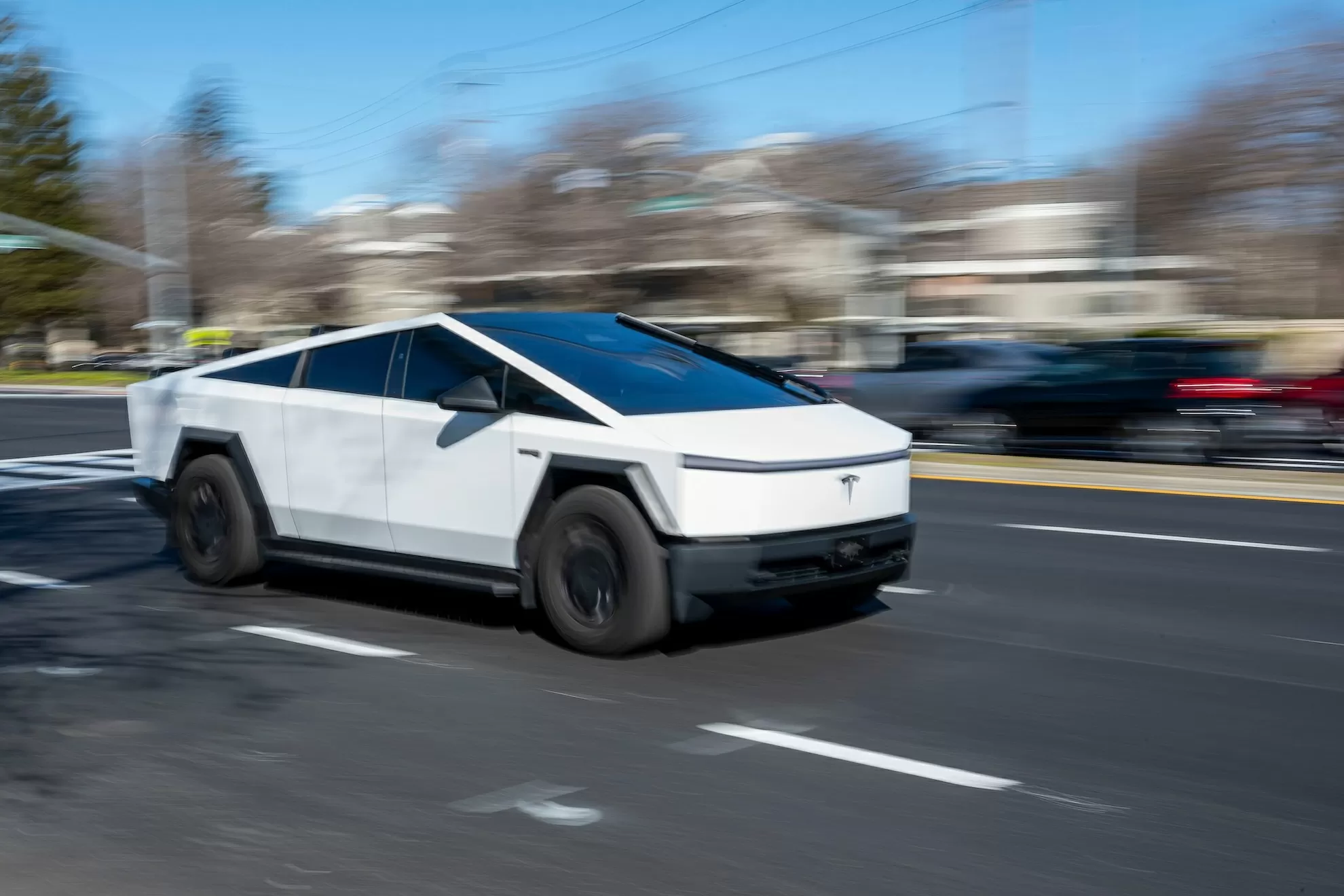
Firstly, let’s take a closer look at Tesla’s FSD software. This technology has been the subject of much debate and controversy, with some claiming it to be the future of driving while others question its safety and reliability. The FSD software allows Tesla vehicles to navigate and operate themselves on the road, with minimal input from the driver. However, it is important to note that this technology is still in its early stages and is far from being completely autonomous. It still requires the driver to be alert and ready to take control of the vehicle at any given moment.
Despite its advanced capabilities, the FSD software is not foolproof. In fact, there have been numerous incidents where Tesla drivers have misused the technology, resulting in accidents. In one high-profile case, a Tesla driver was watching a movie while using the FSD software and crashed into a police car. This goes to show that even with advanced technology, distracted driving is still a major issue.
Furthermore, even if the FSD software was fully autonomous and completely reliable, texting while driving would still be a dangerous and irresponsible act. It takes only a few seconds of looking down at your phone to cause a potentially life-threatening accident. The consequences of texting while driving can be devastating, not just for the driver but for other innocent individuals on the road as well.
It is also worth mentioning that the FSD software is not available on all vehicles and is only accessible to those who can afford Tesla’s high-end models. This means that the majority of drivers on the road do not have access to this technology and are still at risk of causing accidents if they text while driving. Therefore, the ban on texting while driving is still necessary to protect all individuals on the road, regardless of the car they drive.
Moreover, the ban on texting while driving also serves as a reminder to drivers to prioritize safety on the road. With the rise of technology and the constant bombardment of notifications and messages, it is easy to get distracted while driving. The ban serves as a reminder that the road is not the place to be checking your phone. It encourages drivers to focus on the task at hand, which is to safely operate their vehicle.
Additionally, the ban on texting while driving also sends a strong message to the public about the seriousness of distracted driving. It shows that the government and law enforcement are taking proactive measures to ensure the safety of citizens on the road. This can also serve as a deterrent for those who may be tempted to text while driving, knowing that there are consequences for their actions.
In conclusion, the ban on texting while driving is still necessary, even with the use of advanced driver-assistance systems like Tesla’s FSD software. This technology is not foolproof and distracted driving is still a major issue. The ban serves as a reminder to prioritize safety on the road and sends a strong message about the seriousness of distracted driving. Let us all do our part in promoting safe driving practices and continue to support efforts to make our roads safer for everyone. After all, a text can wait, but a life cannot.

