
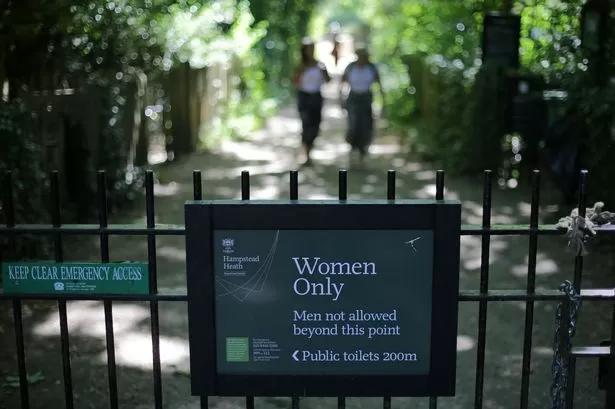
In recent years, the issue of transgender rights has gained a lot of attention and discussion. One of the most debated topics in this area is the use of public restrooms and other facilities by transgender individuals. The question of whether trans men and trans women should be allowed to use the bathroom of their choice has been a source of controversy and confusion for many years. However, there has been a significant shift in policies and attitudes towards this issue in recent times, with many countries now entitling trans men and women to use the restroom of their choice.
This change in policy has been a long time coming, and it marks a step forward in the fight for transgender rights. For years, trans individuals have faced discrimination and prejudice in their daily lives, from accessing public spaces to finding employment. But with the policies now allowing them to use the bathroom of their choice, there is a glimmer of hope that the tide is finally turning.
One of the main reasons for this change in policy is the recognition of transgender individuals’ basic human rights. Trans men and women have the same right to access public facilities as any other person. By limiting their access to restrooms, they are being denied a basic human need. Imagine having to hold in your bladder for hours, simply because you are not allowed to use the bathroom that aligns with your gender identity. It is a violation of their fundamental rights and goes against the principle of equality that our society strives to achieve.
Moreover, allowing trans men and women to use the restroom of their choice also promotes inclusivity and diversity. By acknowledging and accommodating their gender identity, we are creating a more accepting and welcoming society. It is essential to remember that using a restroom is a matter of personal hygiene and has nothing to do with sexual orientation or gender identity. By granting trans individuals the same rights as anyone else, we are sending a powerful message that they are equal and valued members of our society.
Another crucial factor that led to this change in policy is the increasing awareness and understanding of transgender issues. Society is becoming more educated about the challenges faced by the trans community, and people are starting to see the need for more inclusive policies. Trans men and women have long been forced to use restrooms that do not align with their gender identity, leading to discomfort, embarrassment, and even harassment. The policies entitling them to use the restroom of their choice not only provide them with a sense of autonomy but also protect them from potential discrimination and violence.
It is also worth noting that this change in policy has been implemented in many countries, including the United States, Canada, and several European nations. This shows that it is a global movement towards inclusivity and equality for all individuals, regardless of their gender identity. And while some may argue that this change will lead to discomfort or invasion of privacy for cisgender individuals, it is essential to understand that trans individuals have been using restrooms that do not align with their gender for years, causing them immense discomfort and distress. Allowing them to use the bathroom of their choice simply grants them the same basic rights as everyone else.
Moreover, it is essential to remember that this policy change does not solely benefit trans individuals but also has a positive impact on society as a whole. By promoting inclusivity and diversity, we are creating a more accepting and harmonious community. It also sends a powerful message to the younger generation that everyone is accepted and valued, regardless of their gender identity.
In conclusion, the policies entitling trans men and women to use the restroom of their choice are a significant step towards creating a more inclusive and equal society. It recognizes their fundamental human rights, promotes diversity and inclusivity, and protects them from discrimination and violence. It is a long-overdue change that will have a positive impact on society and pave the way for further progress in transgender rights. Let us hope that this is just the beginning of a more accepting and inclusive future for all.

