
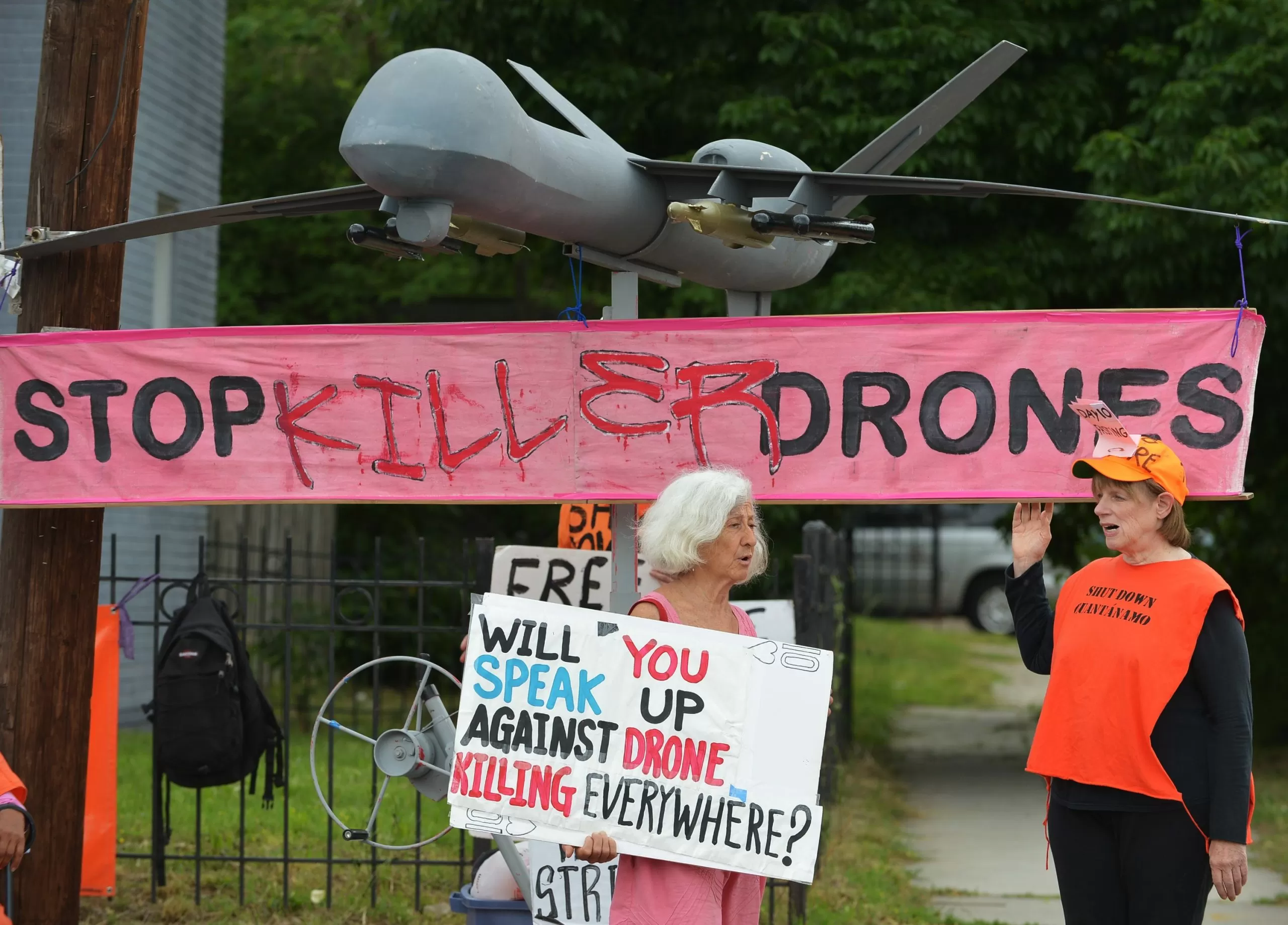
In a shocking turn of events, it has been revealed that former President Barack Obama approved the killing of a 16-year-old American boy, without any accountability or due process. This raises a troubling question – if Obama, a Nobel Peace Prize winner, could authorize such a grave act, what is stopping current President Donald Trump from doing the same?
The case in question is that of Abdulrahman al-Awlaki, a 16-year-old American citizen who was killed in a US drone strike in Yemen in 2011. He was the son of Anwar al-Awlaki, a US-born Islamic cleric who was also killed in a drone strike just two weeks prior. The justification given for the killing of the teenager was that he was in the wrong place at the wrong time, and his father’s alleged ties to terrorist groups made him a legitimate target.
This incident has sparked outrage and raised serious concerns about the unchecked power of the US government in carrying out targeted killings. It also brings into question the morality and ethics of such actions, especially when it involves the life of a young American citizen. But perhaps the most troubling aspect of this case is the precedent it sets for future presidents.
During his campaign, Trump has made controversial statements regarding the use of torture and even targeting the families of terrorists. This, coupled with his disregard for due process and his tendency to act impulsively, raises the fear that he may also believe he has the power to order the killing of civilians without any accountability.
It is a dangerous and slippery slope when a government starts to believe it has the authority to take the lives of its own citizens without proper legal process. The Constitution of the United States guarantees the right to due process, and this includes the right to a fair trial and the presumption of innocence until proven guilty. By bypassing these fundamental principles, the government is essentially playing the role of judge, jury, and executioner.
The killing of Abdulrahman al-Awlaki also highlights the issue of transparency and accountability in the use of drones. The US government has been criticized for its lack of transparency in the use of drones and the high number of civilian casualties in countries such as Afghanistan, Pakistan, and Yemen. The Obama administration, in particular, faced criticism for its use of drone strikes, with some experts arguing that it may have done more harm than good in the fight against terrorism.
The fact that the killing of a 16-year-old American boy went unpunished and largely unnoticed for years is a testament to the lack of accountability in the US government’s actions. It is a dangerous precedent that sets a dangerous message to other countries that may also seek to justify targeted killings without due process.
As citizens of a democratic society, we must demand accountability from our government and ensure that our constitutional rights are not violated in the name of national security. We must also hold our leaders accountable for their actions and demand transparency in their decision-making processes.
In conclusion, the killing of Abdulrahman al-Awlaki is a tragic reminder of the unchecked power of the US government and the need for accountability and transparency in its actions. It also raises serious concerns about the potential abuse of power by future presidents, and the need for strict limitations on the use of drones and targeted killings. We must not allow the actions of the past to become the norm for the future, and we must continue to fight for justice and uphold our constitutional rights for the sake of our democracy.

