
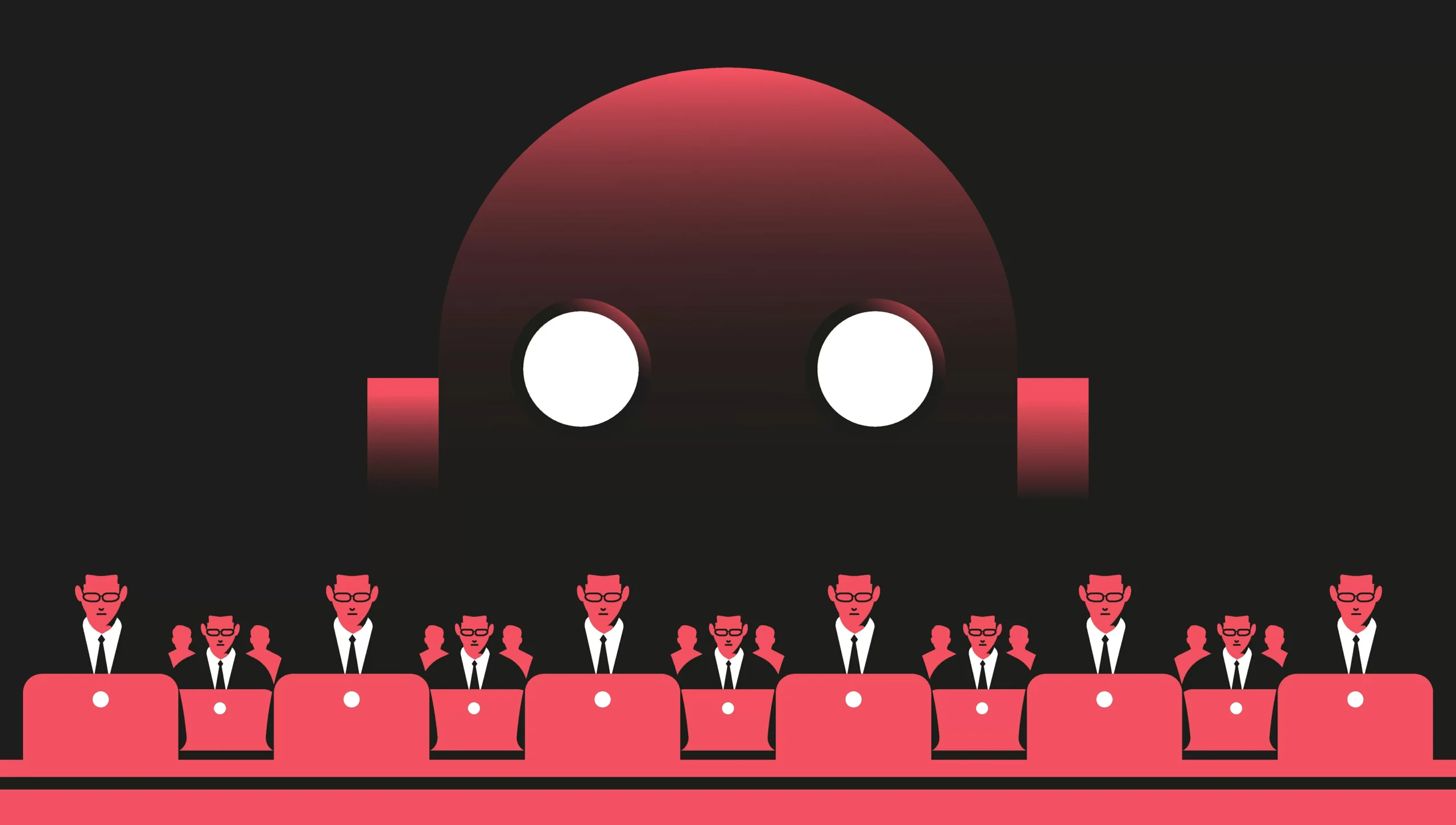
The rise of Artificial Intelligence (AI) has been a hot topic in recent years, with predictions of its impact on various industries. One area that has garnered significant attention is the enterprise labor market. Many experts have been trying to forecast how AI will affect the job market and what changes we can expect to see in the coming years.
According to a recent report, investors are predicting that the impact of AI on the enterprise labor market will start to emerge in 2026. This prediction has sparked a lot of interest and curiosity, as businesses and employees alike wonder what the future holds for them.
While it is challenging to predict with certainty the exact impact AI will have on the labor market, we can look at current trends and make some educated guesses about the future. One thing is for sure, AI will bring significant changes to the workplace, and businesses need to be prepared to adapt.
One of the most significant impacts of AI will be on the way we work. With the rise of automation and machine learning, many routine and repetitive tasks can now be performed by machines. This means that jobs that involve manual labor or data processing may be at risk of being replaced by AI. However, this does not necessarily mean that there will be a decline in employment opportunities.
As AI takes over routine tasks, it will create a demand for new job roles that require advanced skills and knowledge. This presents an exciting opportunity for businesses to upskill their workforce and invest in training programs that will prepare employees for these new roles. It also means that employees will need to be flexible and adaptable, willing to learn new skills and embrace change.
AI will also bring about a shift in the types of jobs available in the labor market. As machines take over routine tasks, there will be a greater need for jobs that require creativity, critical thinking, and problem-solving skills. Jobs such as data analysts, AI trainers, and developers will be in high demand, and businesses will need to compete to attract top talent.
Moreover, AI will enable businesses to make better decisions and improve their overall efficiency. With the help of AI-powered tools, companies will be able to analyze vast amounts of data and gain valuable insights that will help them make more informed decisions. This will allow businesses to optimize their operations, reduce costs, and ultimately increase their bottom line.
Another impact of AI on the labor market will be the rise of the gig economy. With the advancements in technology, many jobs can now be performed remotely, making it easier for businesses to hire freelancers and remote workers. This will give employees more flexibility and freedom to choose the projects they want to work on, and businesses will have access to a larger pool of talent from around the world.
While there are concerns that AI may lead to job losses, it is essential to note that it will also create new job opportunities and boost economic growth. According to a study by PwC, AI is expected to create 14% more jobs than it will displace by 2027. This is good news for the labor market, as it shows that AI will not be a threat to employment but rather a catalyst for growth and innovation.
In conclusion, the impact of AI on the enterprise labor market is still uncertain, but one thing is clear – it will bring significant changes. Businesses need to start preparing for this shift by investing in training programs and upskilling their workforce. Employees need to be open to embracing change, learning new skills, and adapting to new job roles. The rise of AI presents a unique opportunity for businesses to improve their operations, make better decisions, and drive economic growth. As investors predict, we will start to see the trends of this impact emerging in 2026, and it is up to us to be ready for it.

