
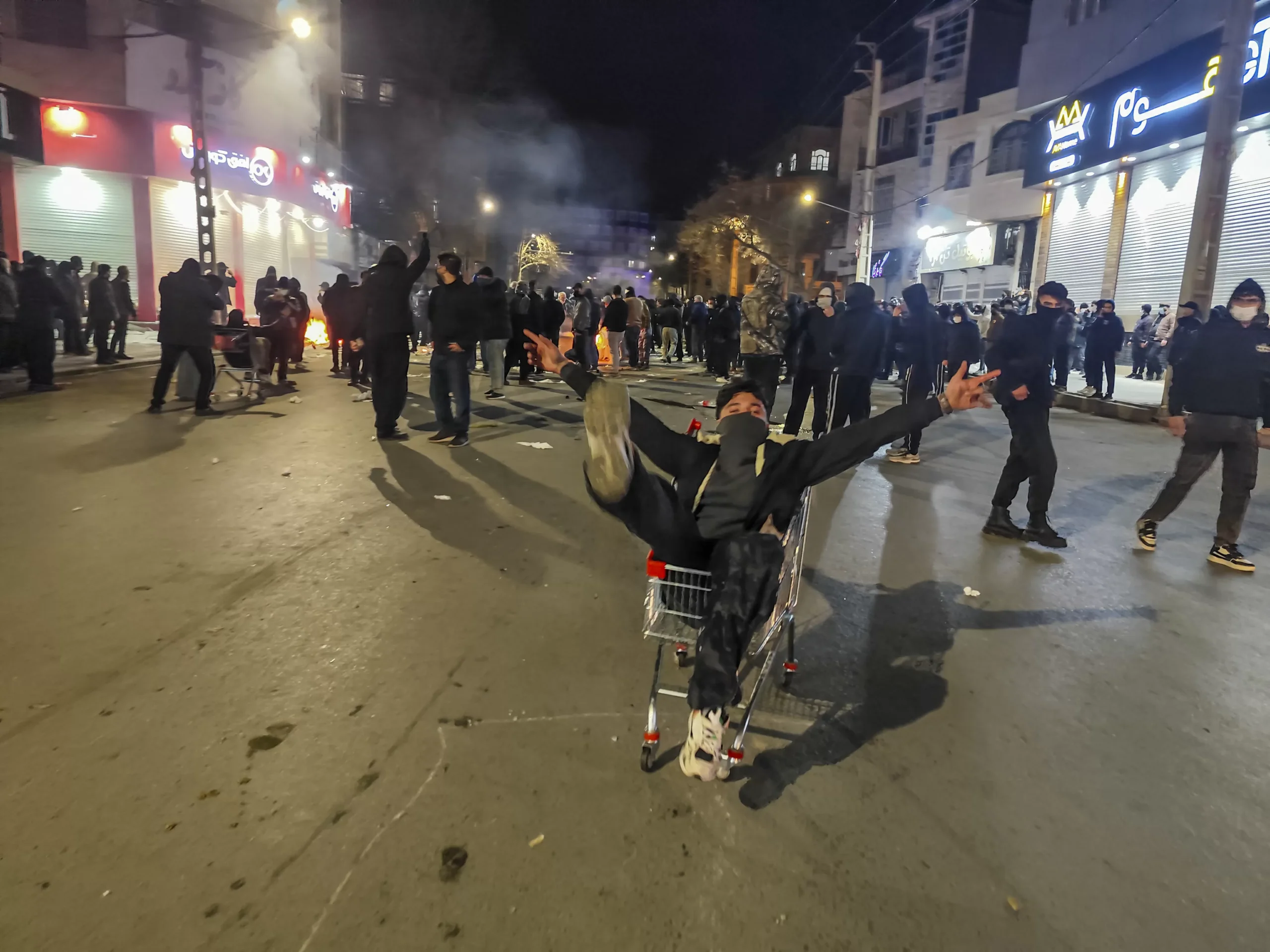
“It is difficult to discount the role of the U.S. government in shaping the current moment,” one Iran expert told Newsweek. The statement holds a great deal of truth, as the actions of the U.S. government have had a significant impact on the current state of affairs in Iran.
Over the years, the relationship between the United States and Iran has been a complex and tumultuous one. From political tensions to economic sanctions, the two countries have often found themselves at odds with each other. However, it is undeniable that the U.S. government has played a crucial role in shaping the current moment in Iran.
One of the most significant factors in this regard is the U.S. involvement in the Iranian Revolution of 1979. The revolution, which overthrew the U.S.-backed Shah of Iran and established an Islamic republic, was a turning point in the country’s history. The U.S. government’s support for the Shah and its interference in Iranian affairs played a significant role in fueling anti-American sentiment and ultimately leading to the revolution.
Since then, the U.S. government’s policies towards Iran have been characterized by a mix of diplomacy and hostility. In 2015, the U.S. and other world powers signed the Joint Comprehensive Plan of Action (JCPOA), also known as the Iran nuclear deal. The deal aimed to limit Iran’s nuclear program in exchange for lifting economic sanctions. However, in 2018, the U.S. withdrew from the deal, causing a significant strain in relations between the two countries.
Furthermore, the U.S. government’s continued support for Israel and its aggressive stance towards Iran’s regional allies, such as Syria and Lebanon, have also contributed to the current tensions between the two nations. The U.S. government’s actions in the Middle East have often been viewed as biased and one-sided by Iran, leading to further mistrust and animosity.
The recent assassination of Qasem Soleimani, a top Iranian military commander, by a U.S. drone strike has also added to the already volatile situation. The move sparked outrage and retaliation from Iran, resulting in heightened tensions and fears of a potential war between the two countries.
The U.S. government’s involvement in the current moment in Iran is also evident in the economic and humanitarian crises faced by the country. The re-imposition of economic sanctions by the U.S. has taken a severe toll on the Iranian economy, leading to inflation, unemployment, and widespread poverty. The sanctions have also made it challenging for Iran to access essential goods and medical supplies, resulting in a humanitarian crisis.
Despite the tumultuous relationship between the two nations, there have been some positive developments in recent years. In 2020, the U.S. government provided aid to Iran to combat the COVID-19 pandemic, a move that was welcomed by the Iranian government. This gesture of goodwill may pave the way for future diplomatic efforts and potential reconciliation between the two countries.
In conclusion, it is undeniable that the U.S. government has played a significant role in shaping the current moment in Iran. From the 1979 revolution to the recent tensions and crises, the actions of the U.S. government have had a profound impact on the country. However, it is crucial to acknowledge that there have been both positive and negative consequences of this involvement. Moving forward, it is essential for both nations to engage in constructive dialogue and work towards finding a peaceful resolution to their differences. Only then can the U.S. government truly play a positive role in shaping the future of Iran.

