
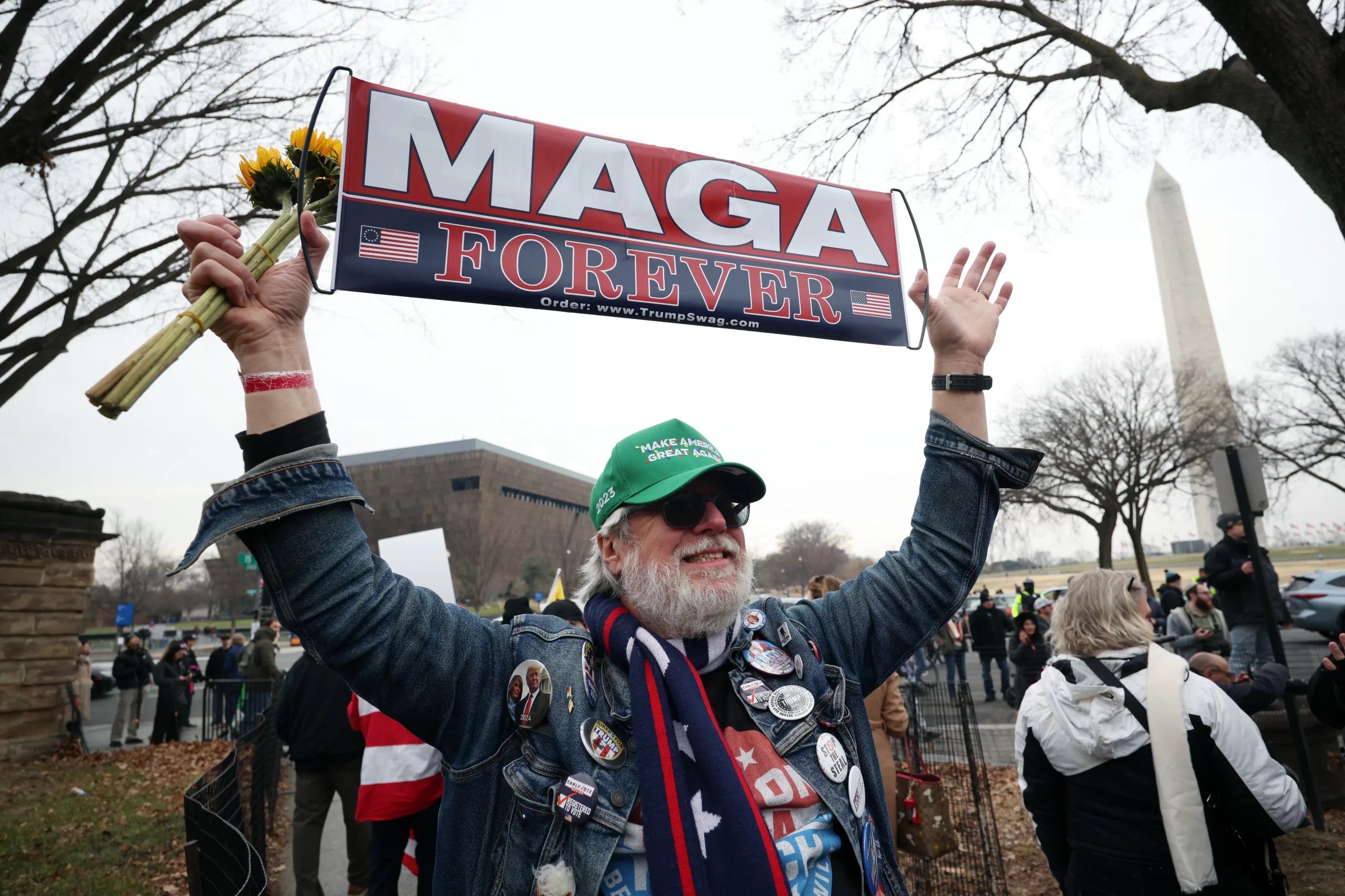
In recent years, the rise of the MAGA movement has sparked controversy and division in the United States. While some see it as a symbol of national pride and patriotism, others view it as a dangerous force that promotes intolerance and exclusion. However, a recent article published by Qiushi, a prominent Chinese magazine, has shed light on a new perspective – the link between economic hardship and the rise of MAGA.
According to Qiushi, the acronym MAGA, which stands for “Make America Great Again”, has become a rallying cry for many Americans who are facing economic struggles. The magazine argues that the promise of bringing back jobs and boosting the economy has resonated with the working class, who feel left behind by globalization and technological advancement.
Qiushi also points out that the MAGA movement has tapped into a sense of “group identity” among its supporters. With its focus on America’s greatness and the idea of putting the country first, MAGA has created a sense of belonging and unity among its followers. This sense of belonging, coupled with the promise of economic improvement, has drawn many Americans to support the movement.
However, the magazine argues that this emphasis on “group identity” has overshadowed the need for meaningful economic reform. While the MAGA movement may have initially promised to address economic issues, it has instead become a platform for promoting a specific group’s interests and values. This, according to Qiushi, has hindered the country’s progress towards achieving real economic change.
The article also highlights the dangers of prioritizing group identity over economic reform. It argues that this approach can lead to division and discrimination, as seen in the rise of hate crimes and discrimination against marginalized communities in the US. Qiushi warns that focusing on group identity can distract from the real issues at hand and hinder progress towards a more equal and prosperous society.
Furthermore, the article points out that the MAGA movement’s economic policies, such as protectionism and isolationism, may have detrimental effects on the global economy. As the world becomes increasingly interconnected, isolationist policies could harm not only the US economy but also the global economy. This, in turn, could have a ripple effect on other countries, including China.
In light of this, Qiushi emphasizes the need for global cooperation and collaboration to address economic issues. The magazine stresses the importance of working together to find solutions that benefit all countries, rather than promoting one country’s interests at the expense of others. It also calls for a focus on inclusive economic policies that prioritize the well-being of all citizens, regardless of their background or identity.
In conclusion, the article by Qiushi provides a thought-provoking analysis of the relationship between economic hardship and the rise of MAGA. It sheds light on the underlying factors that have contributed to the movement’s popularity and highlights the dangers of prioritizing group identity over meaningful economic reform. As the world continues to face economic challenges, it is crucial to recognize the importance of global cooperation and inclusive policies in creating a more prosperous and harmonious future for all.

