
Behind the Crowds and Coronations: The Surprising Stories of Westminster Abbey
Westminster Abbey, with its grand architecture and rich history, is one of the most iconic landmarks in London. It has been the site of countless royal coronations, weddings, and funerals, drawing in crowds of tourists from all over the world. But beyond the grandeur and glamour, this historic abbey holds centuries of surprising stories that are often overlooked by visitors. Let’s take a closer look at the hidden gems of Westminster Abbey.
The Abbey’s Beginnings
Founded in the 10th century, Westminster Abbey has a long and fascinating history. It was originally built as a Benedictine monastery, and the first church on the site was consecrated in 1065 by Edward the Confessor. However, it wasn’t until the reign of King Henry III in the 13th century that the abbey we know today began to take shape.
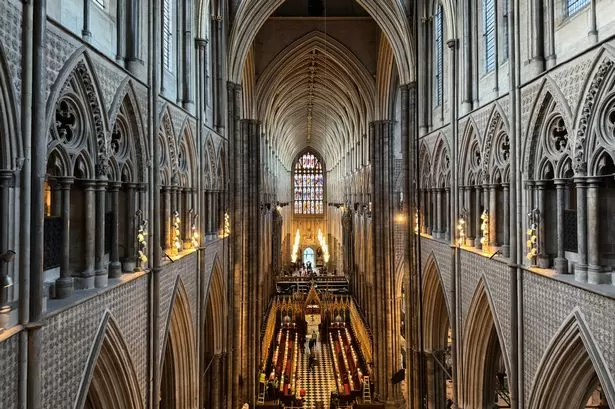
Over the centuries, the abbey has undergone numerous renovations and additions, resulting in a unique blend of architectural styles. From the Gothic grandeur of the nave to the delicate fan vaulting of the Lady Chapel, every corner of the abbey is a testament to the skill and craftsmanship of its builders.
The Coronation Church
Westminster Abbey has been the site of every coronation since 1066, making it one of the most important religious and political landmarks in Britain. The coronation ceremony is a grand and elaborate affair, steeped in tradition and symbolism. It is a testament to the abbey’s enduring role as the spiritual home of the British monarchy.
But what many people don’t know is that the coronation chair, which has been used in every coronation since 1308, has its own fascinating story. Made of oak and decorated with intricate carvings, the chair was commissioned by King Edward I to house the Stone of Scone, a symbol of Scottish sovereignty. The stone was later returned to Scotland in 1996, but the chair remains a powerful symbol of the enduring bond between the two nations.
The Royal Tombs
Westminster Abbey is also the final resting place of many kings, queens, and other notable figures. The most famous of these is undoubtedly the Tomb of the Unknown Warrior, which contains the remains of an unidentified British soldier who died in World War I. The tomb is a poignant reminder of the sacrifices made by countless soldiers in the service of their country.
But the abbey is also home to the tombs of many monarchs, including Queen Elizabeth I, Mary Queen of Scots, and King Henry V. Each tomb is a work of art in itself, adorned with intricate carvings and sculptures that tell the stories of these larger-than-life figures.
The Poet’s Corner
For literature lovers, Westminster Abbey’s Poet’s Corner is a must-see. This section of the abbey is dedicated to the memory of famous writers, poets, and playwrights, including Geoffrey Chaucer, Charles Dickens, and William Shakespeare. It is a fitting tribute to the literary giants who have shaped British culture and language.
But the Poet’s Corner is not just a place of remembrance. It is also a place of celebration, with regular services and events held to honor the lives and works of these literary greats. It is a testament to the enduring legacy of these writers and their impact on the world.
Hidden Treasures
While the grandeur of Westminster Abbey is certainly impressive, it is the hidden treasures that make it truly special. From the intricate stained glass windows to the hidden passageways and secret gardens, there is always something new to discover in this historic abbey.
One such hidden gem is the Chapter House, a circular room with a stunning vaulted ceiling and intricate tile work. It was originally used as a meeting place for the monks, but today it is open to the public and often used for special events and exhibitions.
Another hidden treasure is the Pyx Chamber, a small room that was once used to store the abbey’s treasures. Today, it houses a collection of historic documents and artifacts, including the Domesday Book, a survey of England commissioned by William the Conqueror in 1086.
A Place of Pilgrimage
Westminster Abbey is not just a tourist attraction; it is also a place of pilgrimage for people of all faiths. The abbey’s rich history and spiritual significance draw in visitors from all over the world, seeking a

