
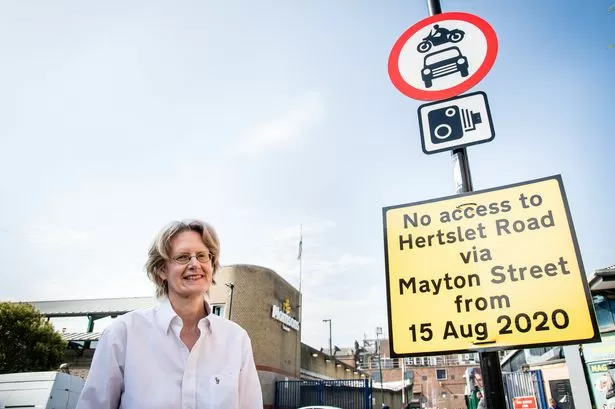
Islington Council, like many other local authorities across the UK, has been working towards decarbonisation goals to combat the pressing issue of climate change. However, recent developments have forced the council to reassess and adjust their plans as government funding for these efforts has dried up.
The council’s ambitious goal was to achieve net-zero carbon emissions by 2030, a target that was praised by environmentalists and residents alike. However, with the current economic climate and budget cuts, the council has been forced to halt some of their decarbonisation efforts and create more ‘realistic’ climate goals.
This news may come as a disappointment to many, but it is important to understand the challenges that the council is facing. The COVID-19 pandemic has had a significant impact on local government finances, and Islington Council is no exception. The council has had to make tough decisions to balance their budget and ensure essential services are not affected.
Despite the setback, the council remains committed to their decarbonisation efforts and has assured residents that they will continue to work towards a greener future. In fact, the council has already made significant progress in reducing carbon emissions in the borough.
Islington Council has implemented various measures to reduce emissions, such as installing solar panels on council-owned buildings, promoting cycling and walking as alternative modes of transport, and implementing energy-efficient street lighting. These efforts have resulted in a 40% reduction in carbon emissions since 2010.
In addition, the council has also introduced initiatives to engage and involve the community in their decarbonisation efforts. The ‘Greening the Green’ project, for example, encourages residents to grow their own food, promoting sustainable living and reducing food miles.
The council has also been working closely with local businesses to reduce their carbon footprint. Through the ‘Green Business Network’, the council provides support and resources for businesses to adopt sustainable practices, such as energy-efficient measures and waste reduction.
Despite the challenges, Islington Council remains determined to continue their decarbonisation efforts and has set new, more achievable targets for the next decade. The council aims to reduce carbon emissions by 50% by 2030, in line with the UK’s national target.
This decision to adjust their goals is a pragmatic and responsible approach, given the current financial constraints. It also reflects the council’s commitment to finding a balance between environmental sustainability and financial stability.
Islington Council’s efforts to combat climate change have not gone unnoticed. The council has received recognition for their work, including being named the most sustainable borough in London in 2020. This achievement is a testament to the council’s dedication and hard work towards a greener future.
Furthermore, the council has also launched a Climate Change Fund, which provides grants to community groups and organisations for projects that contribute to reducing carbon emissions in the borough. This fund not only supports the council’s decarbonisation efforts but also empowers the community to take action towards a sustainable future.
In conclusion, while Islington Council has had to adjust their decarbonisation goals, it is essential to recognize the progress they have made and their continued commitment to a greener future. The council’s efforts, along with the support and involvement of the community, will play a crucial role in achieving a more sustainable and environmentally friendly borough. Let us all work together towards a brighter, greener future for Islington and beyond.

