
Ksenia Kagarlitskaya and Ilya Budraitskis, two prominent Russian activists and intellectuals, have recently shed light on the nature and evolution of Putin’s regime, the plight of its political prisoners, and the prospects for antiwar resistance and class struggle in Russia.
In their analysis, Kagarlitskaya and Budraitskis argue that Putin’s regime is a hybrid of authoritarianism and capitalism, with a strong emphasis on maintaining power and control over the country’s resources. This regime has evolved over the years, from the chaotic and corrupt Yeltsin era to the more centralized and repressive Putin era.
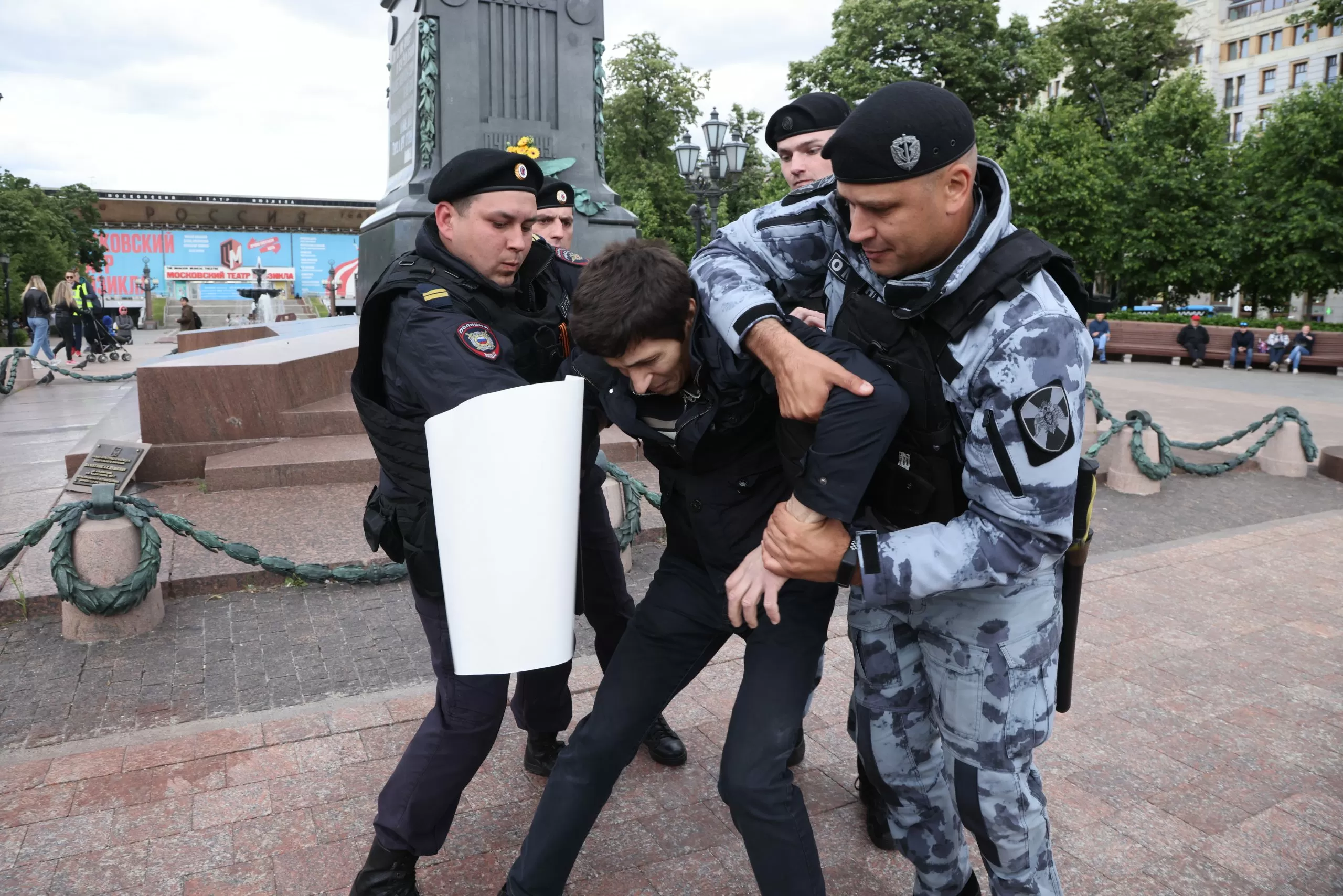
One of the most alarming aspects of Putin’s regime is the increasing number of political prisoners. These are individuals who have been imprisoned for their political beliefs or actions, often on trumped-up charges. These prisoners include journalists, activists, and opposition leaders who have dared to speak out against the regime. Kagarlitskaya and Budraitskis point out that the number of political prisoners has been steadily rising in recent years, with the regime using various tactics to silence dissent and maintain its grip on power.
But despite the challenges and dangers, Kagarlitskaya and Budraitskis also see hope for change in Russia. They believe that the current regime is not sustainable in the long run and that there is a growing potential for antiwar resistance and class struggle in the country.
One of the key factors that could lead to change is the growing discontent among the Russian people. The economic situation in the country is dire, with high levels of poverty and inequality. The regime’s policies, which prioritize the interests of the wealthy elite, have only exacerbated these issues. As a result, there is a growing sense of frustration and anger among the working class and other marginalized groups.
Kagarlitskaya and Budraitskis also highlight the role of international solidarity in bringing about change in Russia. They argue that the global community must stand in solidarity with the Russian people and support their struggle for democracy and human rights. This includes putting pressure on the Russian government to release political prisoners and respect the rights of its citizens.
Furthermore, Kagarlitskaya and Budraitskis stress the importance of building alliances and solidarity among different social and political groups within Russia. They believe that a united front of workers, activists, and opposition groups can challenge the regime and bring about meaningful change.
In conclusion, Ksenia Kagarlitskaya and Ilya Budraitskis provide a comprehensive and insightful analysis of Putin’s regime and the challenges facing the Russian people. While the situation may seem bleak, they also offer hope and a call to action for international solidarity and unity among the Russian people. It is up to all of us to support their struggle for a more democratic and just society.

