
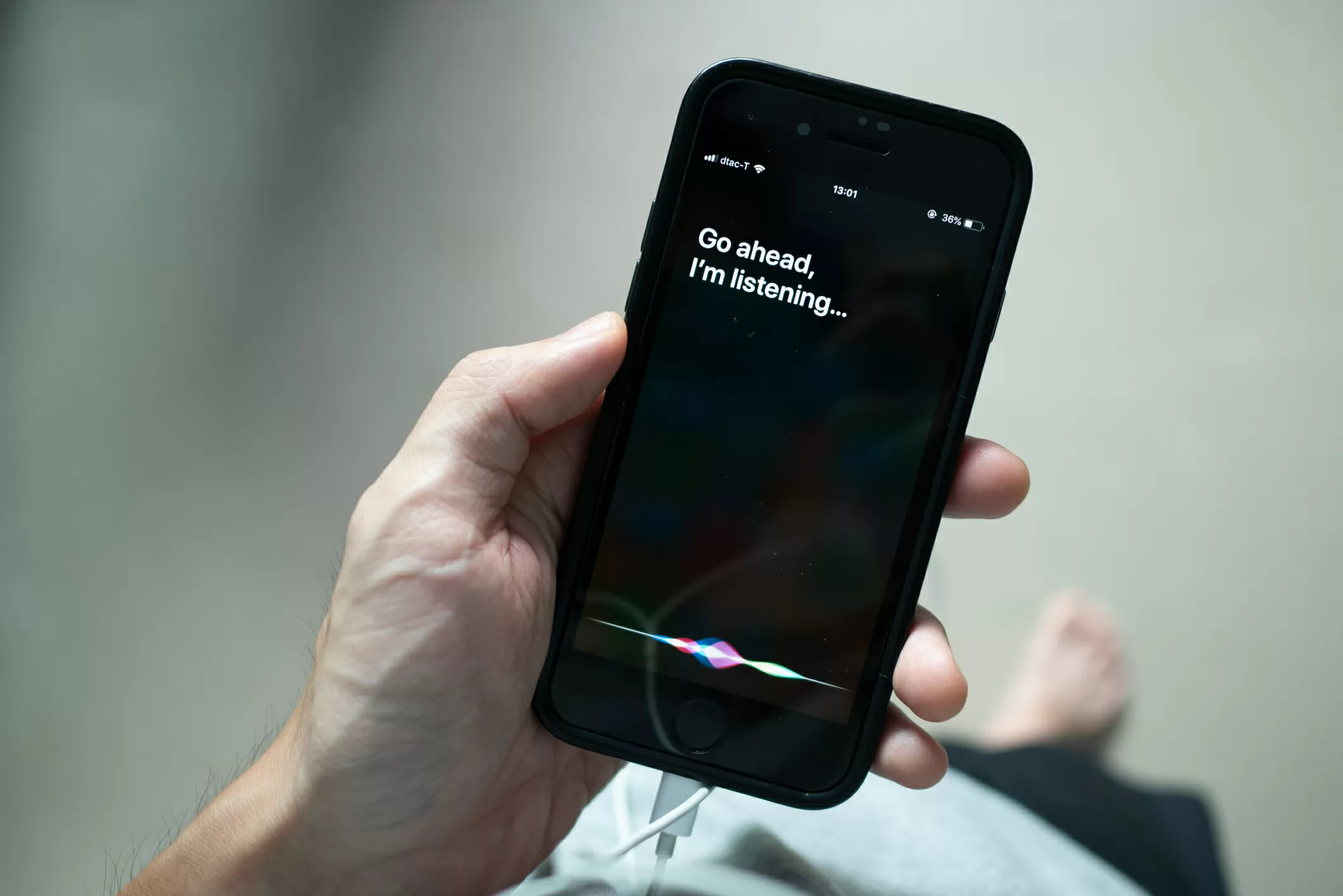
According to a recent report, Apple’s artificial intelligence (AI) technology has shown signs of racial and gender bias in recent tests. This revelation has sparked concerns about the potential impact of AI on society and the need for more diversity and inclusivity in the development of such technologies.
The report, conducted by researchers at the National Institute of Standards and Technology (NIST), evaluated the performance of facial recognition algorithms from various companies, including Apple. The results showed that Apple’s AI technology had a higher rate of error when identifying people of color and women compared to white men.
This is not the first time that AI technology has been found to exhibit bias. In fact, numerous studies have shown that AI systems can reflect the biases of their creators and the data they are trained on. This can have serious consequences, as AI is increasingly being used in various industries, from healthcare to law enforcement.
The findings of this report have raised concerns about the potential impact of biased AI on marginalized communities. For example, if facial recognition technology is used in law enforcement, it could lead to false arrests and wrongful convictions of people of color. Similarly, biased AI in healthcare could result in misdiagnosis and inadequate treatment for certain groups of people.
Apple has responded to the report, stating that they are committed to creating AI technology that is fair and unbiased. They have also acknowledged the need for more diverse and inclusive teams in the development of AI. This is a step in the right direction, but more needs to be done to address the issue of bias in AI.
One of the main reasons for the bias in AI is the lack of diversity in the tech industry. According to a report by the US Equal Employment Opportunity Commission, only 5% of employees in the tech industry are black, and only 7% are Hispanic. This lack of diversity in the workforce can lead to blind spots and biases in the development of AI technology.
To address this issue, companies like Apple need to prioritize diversity and inclusivity in their hiring practices. This means actively seeking out and hiring people from diverse backgrounds, including people of color and women, and creating a work culture that values and promotes diversity.
Moreover, companies need to be more transparent about their AI technology and how it is developed. This includes disclosing the data used to train the AI and the potential biases that may exist in the data. This will not only help to identify and address any biases but also build trust with the public.
In addition, there needs to be more regulation and oversight of AI technology. Currently, there are no laws or regulations specifically governing the development and use of AI. This leaves room for potential biases to go unchecked. Governments and regulatory bodies need to work together with tech companies to establish guidelines and standards for ethical and unbiased AI.
It is also important for individuals to educate themselves about AI and its potential biases. As consumers, we have the power to demand fair and unbiased AI technology. By being aware and informed, we can hold companies accountable and push for change.
In conclusion, the recent report on Apple’s biased AI technology is a wake-up call for the tech industry and society as a whole. It highlights the need for more diversity and inclusivity in the development of AI and the importance of addressing biases in technology. It is up to companies like Apple to take responsibility and make the necessary changes to ensure that AI is fair and unbiased. As consumers, we also have a role to play in demanding ethical and inclusive AI. Let us work together to create a future where AI benefits everyone, regardless of their race or gender.

